
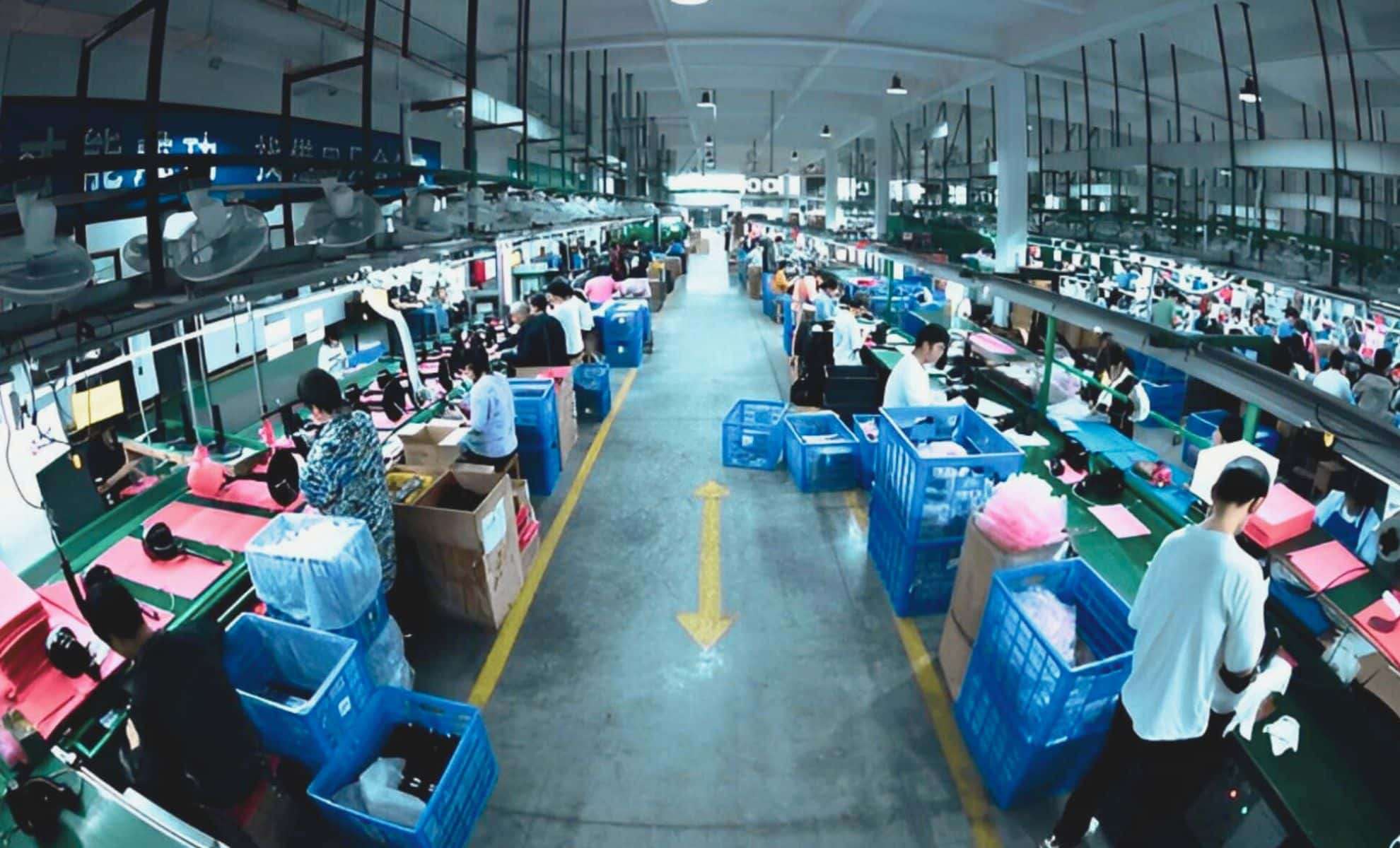
Leading Chinese technology firms Huawei and Xiaomi are spearheading a significant transformation in the global semiconductor landscape, confounding U.S. policymakers. Even with stringent sanctions imposed by the United States designed to hinder China’s access to advanced chip technologies, these corporations have made remarkable progress that undermines the effectiveness of these restrictions.
Huawei’s Breakthrough Achievement
In August 2023, Huawei shocked industry observers by unveiling the Mate 60 Pro, equipped with the domestically engineered Kirin 9000S chip. This launch represented a landmark achievement, signaling the first instance where a Chinese company introduced a premium smartphone powered by a fully homegrown high-performance processor—a feat once thought unachievable under the prevailing international sanctions.
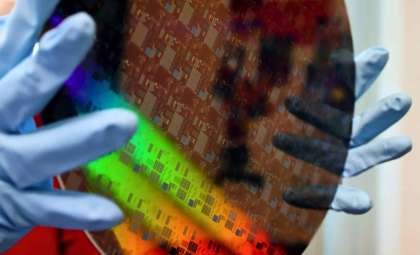
The chip, developed in partnership with Semiconductor Manufacturing International Corporation (SMIC), may lag behind the cutting-edge 3-nanometer and 5-nanometer chips produced in Taiwan and South Korea, yet it has nevertheless sent ripples through the technology sector. The Mate 60 Pro has become a strong emblem of China’s determination, showcasing that sanctions intended to hinder progress may have inadvertently accelerated China’s drive for innovation.


Xiaomi’s Expanding Chip Endeavors
Meanwhile, Xiaomi is making significant headway in chip development as well. Although Huawei captures more attention, Xiaomi has steadily grown its semiconductor capabilities, crafting chips vital for camera modules and power management components. While not yet producing entire processors, this progress reflects an important stride toward technological independence in a domain long dominated by Western companies.
Xiaomi’s strategic emphasis on creating its own chips aligns with China’s overarching goal to lessen reliance on international suppliers and consolidate control over its technological infrastructure. As geopolitical tensions intensify, crafting critical components domestically could prove essential to the nation’s ambition to build a more secure and autonomous tech ecosystem.
China’s Push for Technological Sovereignty
China’s government is actively investing billions into nurturing the domestic semiconductor industry, encouraging innovations to break free from foreign technology dependencies. Beyond backing homegrown chip manufacturers, Beijing promotes the use of RISC-V, an open-source processor architecture, as part of a larger vision for self-reliance.
What once seemed like an ambitious goal is increasingly becoming reality. Investments cover not only chip fabrication but extend to photolithography equipment, advanced chip packaging processes, and attempts to reverse-engineer crucial gear that is otherwise inaccessible due to export restrictions. The clear message: China is intent on challenging Western dominance in high-tech sectors.
Washington’s Growing Concerns
U.S. authorities are beginning to confront the tangible consequences of China’s advances. As companies like Huawei and Xiaomi move decisively toward producing chips independently, officials recognize the growing likelihood that China could become fully self-sufficient in semiconductor technology within the next decade, posing a strategic challenge to the U.S. and aligned nations.
What started as an effort to contain technological competition is evolving into a pivotal moment. With China’s ambitions for chip sovereignty gaining momentum, global powers must reconsider their strategies in the rapidly evolving semiconductor arena.











0 comments
Sign in to Comment