
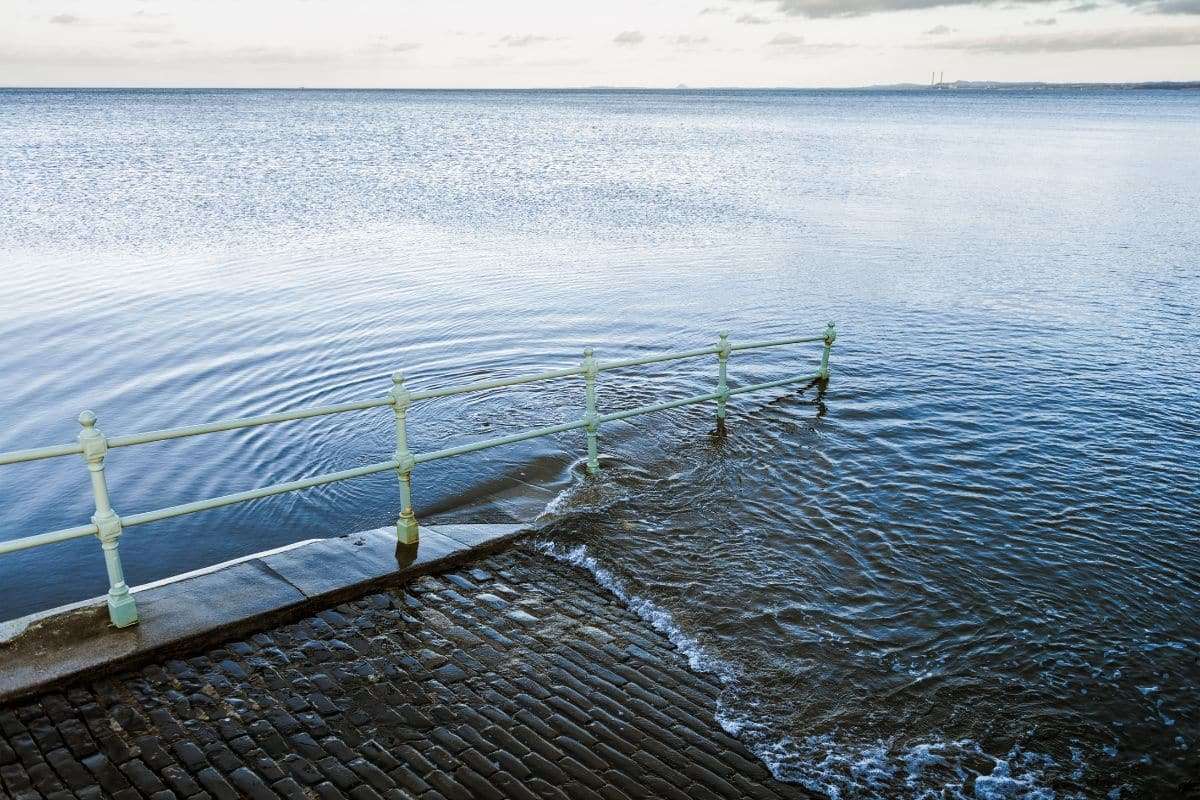
Recent geological discoveries shed light on how sea levels dramatically accelerated following the end of the last Ice Age, roughly 11,700 years ago. By examining peat deposits beneath the North Sea, scientists found evidence that water levels climbed by over one meter per century during two significant intervals in the early Holocene epoch.
These insights not only deepen our understanding of historical climate dynamics but also point to potential challenges in the face of ongoing global warming.
Reconstructing Past Sea Level Shifts
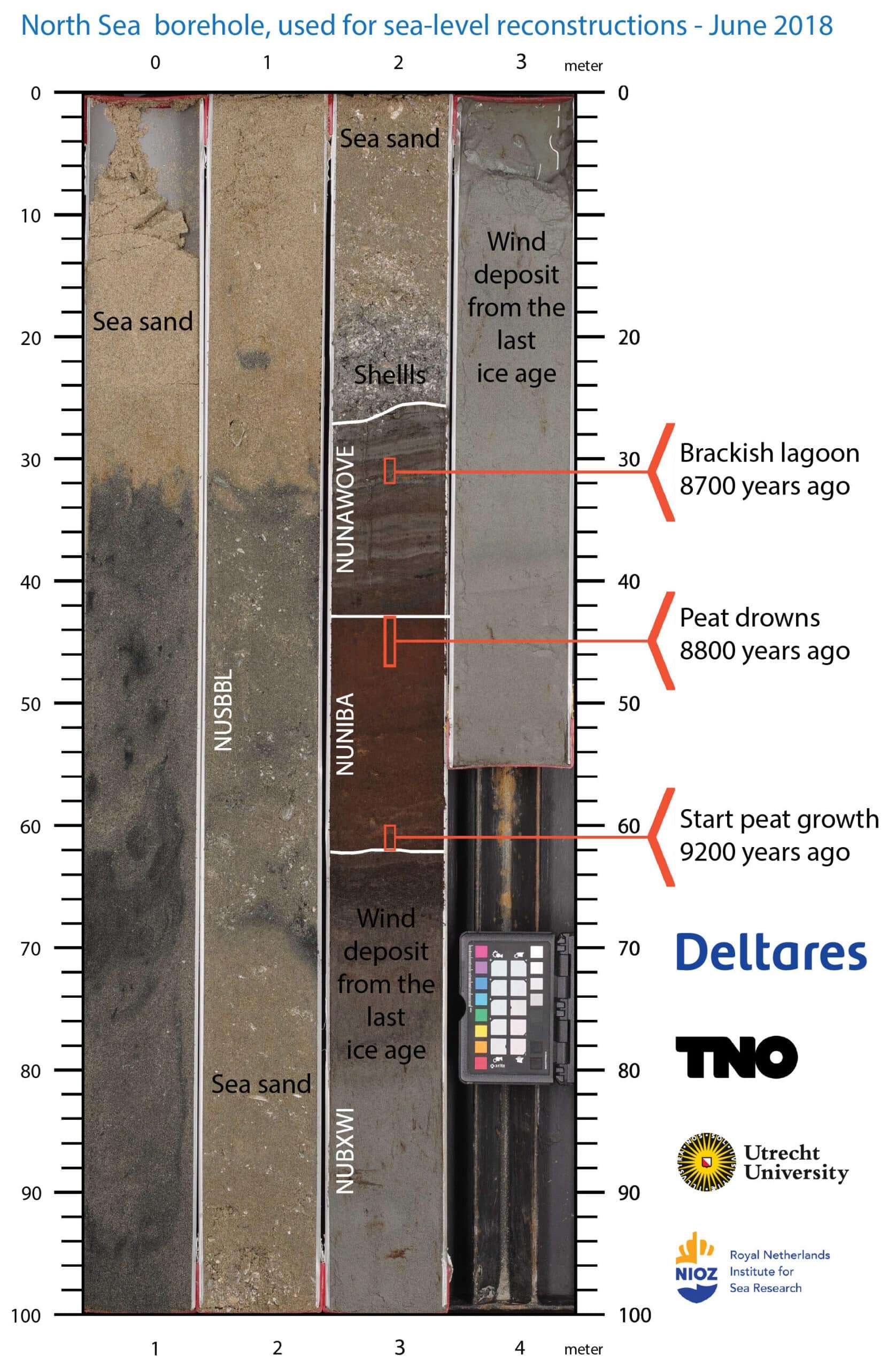
A recent investigation, published in Nature, was spearheaded by teams from Deltares, Utrecht University, Delft University of Technology, and additional research centers. Their focus centered on Doggerland, a submerged prehistoric land bridge that once linked Britain to the European continent.
Utilizing ancient peat strata found beneath the North Sea, researchers reconstructed the velocity and magnitude of sea level increases following glacial retreat. Their data pinpoint two distinct phases of significantly accelerated ocean expansion occurring around 10,300 and 8,300 years ago, primarily due to the rapid melting of massive ice formations.

Decoding the Dynamics of Ocean Level Changes
For decades, estimates of total sea level rise between 11,000 and 3,000 years ago varied widely, from 32 up to 55 meters. The new study narrows this range, determining a rise nearer to 38 meters, thereby enhancing previous approximations.
By integrating radiocarbon dating methods with sophisticated climate simulations, the researchers identified peak epochs where ocean levels surged at rates exceeding one meter per century—paralleling some present-day worst-case forecasts for sea level escalation due to climate change.
Relevance to Contemporary Climate Challenges
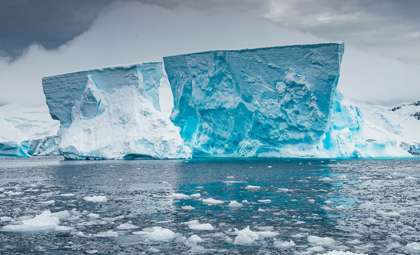
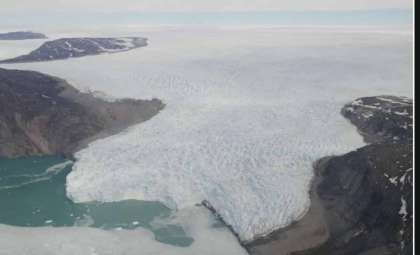
This research establishes a crucial benchmark for ongoing climate assessments. While Holocene warming was driven by natural cyclical processes, current human-induced greenhouse gas emissions are hastening ice melt in Greenland and Antarctica, potentially provoking comparable rapid increases in sea levels.
Projections from the Intergovernmental Panel on Climate Change (IPCC) indicate that sea levels could rise several meters by the year 2300, with some scenarios forecasting increases exceeding one meter per century—mirroring the historical spikes observed in Doggerland’s geological record.
Lessons from the Past to Guide the Future
Marc Hijma, geologist at Deltares and lead author of the study, emphasizes the importance of understanding ancient sea level variations for effective climate adaptation planning.
“This innovative research marks significant progress in deciphering sea level changes following the last ice age. Detailed North Sea data helps us unravel the intricate relationships between ice sheets, climate shifts, and ocean levels,” he states.
Unlike prehistoric times, modern civilization heavily relies on coastal urban centers, infrastructure, and economic hubs that are all vulnerable to rising sea levels. Scientists advocate for proactive efforts.
“These findings offer valuable insights for both the scientific community and policymakers to better prepare for the consequences of ongoing climate change, particularly by emphasizing climate resilience and adaptation strategies.”
- Categories:
- News










0 comments
Sign in to Comment