
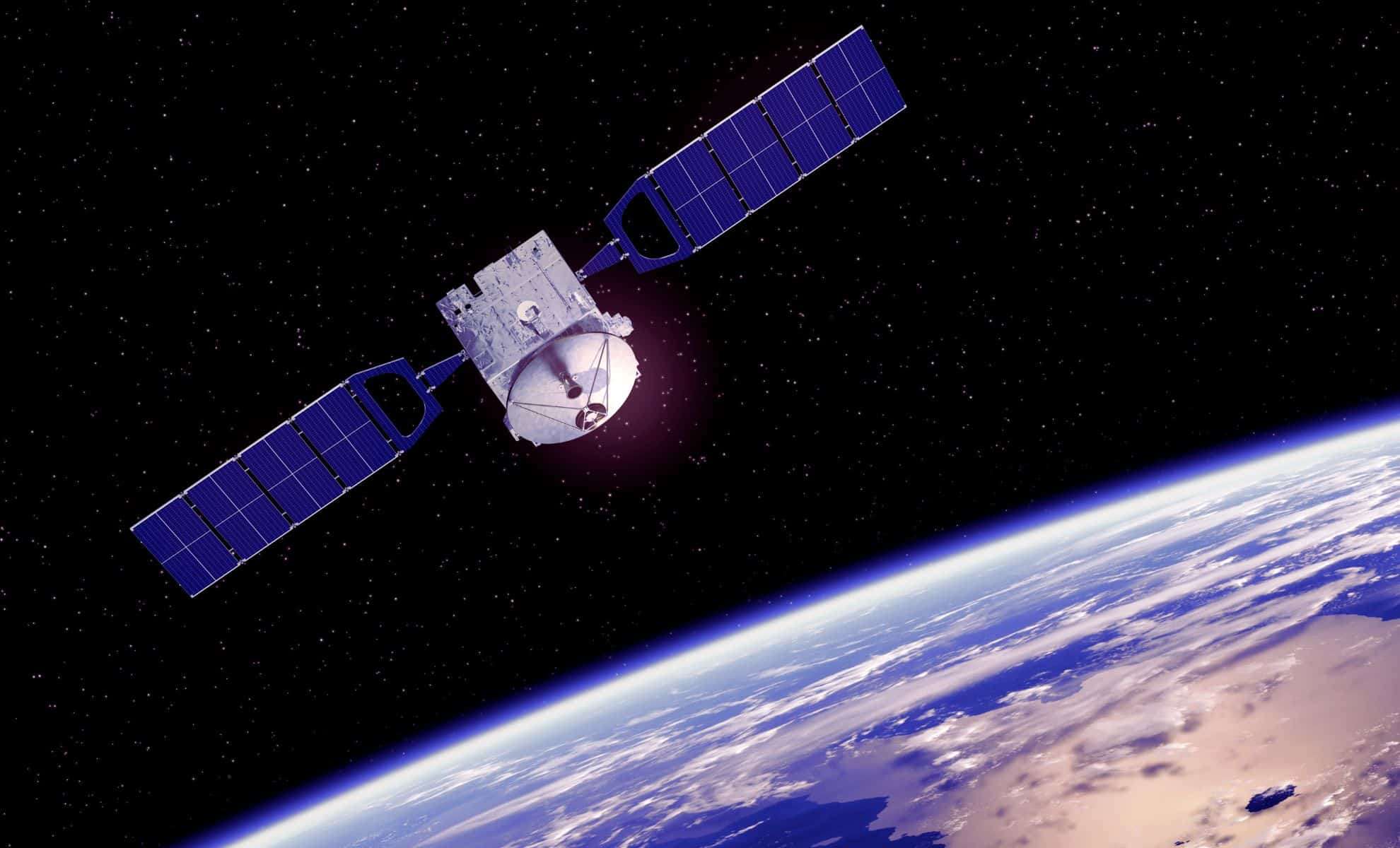
China has achieved a significant milestone in space technology by completing a satellite-to-satellite refueling operation in geosynchronous orbit, as reported by the South China Morning Post. This operation involved the secretive spacecraft Shijian-21 and Shijian-25 and may mark the largest orbital maneuver of its kind ever recorded, raising concerns among U.S. space officials that China could surpass the United States in landing astronauts on the Moon.
Unprecedented Maneuver in High Earth Orbit
In early July 2025, Shijian-21 and Shijian-25 executed a maneuver in geosynchronous orbit, approximately 36,000 kilometers above Earth, achieving a velocity shift exceeding 330 meters per second. Such a significant change in speed is exceptional for satellites operating at this altitude.
Lieutenant General John Shaw, former deputy commander of U.S. Space Command, noted during a Senate hearing that
“That’s actually a lot, at least by today’s standards.”

This large velocity adjustment is quite remarkable in geostationary orbit, where satellites typically require minimal thrust for station-keeping. Analysts estimate the maneuver equates to consuming about six years’ worth of fuel, implying a substantial amount of propellant was transferred from Shijian-25 to Shijian-21. This capability opens the door to extended mission durations that were previously limited by fuel capacity.
Impacts on Lunar Exploration Strategies
This innovative refueling technology carries far-reaching consequences for deep-space ventures. Refueling in high orbit is pivotal for sustainable exploration efforts targeting the Moon and Mars. It allows the launch of heavier payloads, minimizes reliance on terrestrial resupply missions, and extends spacecraft operational lifespans.
Coming soon after China’s successful return of lunar samples from the Moon’s far side via the Chang’e-6 mission, the maneuver sparked concerns highlighted during a Senate hearing by former NASA head Jim Bridenstine. He issued a rare, candid warning that the United States might not reach the lunar surface before China. This statement marks a notable shift from previous U.S. confidence in its Artemis program leading lunar exploration.
If China continues to demonstrate advanced orbital refueling and large-scale spacecraft maneuvering, it could overcome current U.S. obstacles, including launch postponements, delays in crew vehicle readiness, and infrastructure gaps.
Mastery of Autonomous Docking and Orbital Maintenance
Beyond lunar ambitions, the mission showcases China’s growing proficiency in autonomous in-orbit servicing, an intricate capability essential for space leadership. Docking operations in geosynchronous orbit demand extraordinary precision, given the immense distances, radiation exposure, and exact timing required.
China’s success hints at future prospects like on-orbit repairs, removal of space debris, and spacecraft assembly—technologies still emerging in other space programs. The Shijian series has long been part of China's experimental satellite fleet, now evolving to undertake sophisticated missions beyond basic monitoring.
This progress could eventually lead to the establishment of permanent orbital infrastructure such as space stations, lunar gateways, or refueling hubs, offering China a distinct advantage in the upcoming era of cislunar space commerce.
Washington’s Reaction and Legislative Pressure
The U.S. government’s response has been swift and critical. The Senate hearing titled “There’s a Bad Moon on the Rise: Why Congress and NASA Must Thwart China in the Space Race” underscored rising concerns over America’s diminishing space leadership.
Former U.S. officials stressed that China’s advancements in both technological milestones and strategic autonomy are proceeding faster than expected. Meanwhile, the Artemis program struggles with setbacks in launch timelines, system readiness, and budgetary limitations, potentially allowing China to reach the Moon first with a crewed mission.
Bridenstine emphasized the urgent need for Congress to increase funding and accelerate projects focused on in-orbit refueling, autonomous spacecraft capabilities, and preparations for lunar surface missions. Failing to keep pace with China might soon place the United States in a position of reacting to, rather than leading, innovation in space exploration.
- Categories:
- News









0 comments
Sign in to Comment