
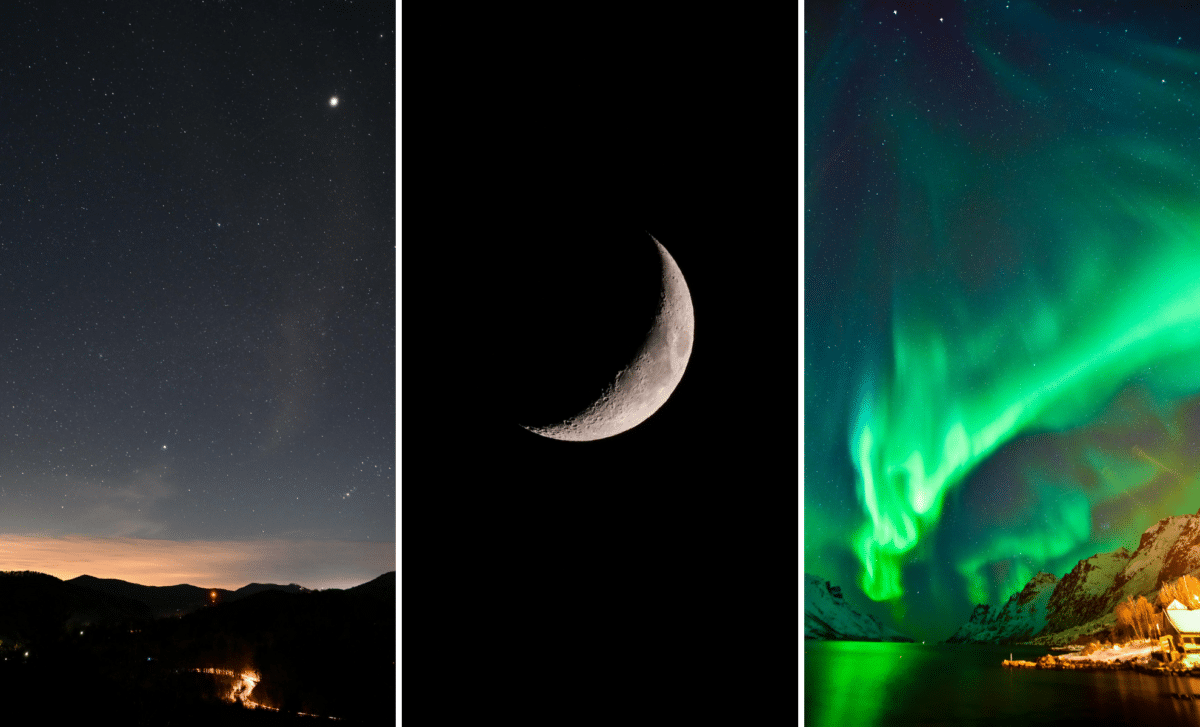
This festive season, the nighttime sky offers an ongoing show of celestial wonders. Around Christmas 2025, you can witness planet gatherings, shifting moon phases, and even potential glimpses of northern lights. Whether using binoculars or simply looking up from your doorstep, the week presents stunning astronomical sights accessible to all.
The Week Begins with a Slim Crescent Moon
On Tuesday, December 23, a faint 14% illuminated crescent moon will be visible low in the southwestern twilight. Nearby, the bright autumn star Fomalhaut adds to this enchanting duo as they both sink toward the horizon. This scene is perfect for photographers or anyone wanting a peaceful moment beneath the early winter stars.
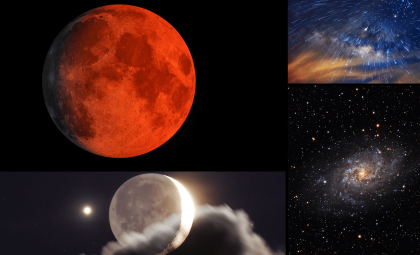
The following day, Christmas Eve, the moon will shine a bit more brightly at 21% illumination. Positioned in the southwestern sky, the darkened side of the moon will be softly lit by Earthshine, sunlight bouncing off Earth’s surface, lending the Moon a subtle ghost-like glow, a fascinating sight shortly after sunset.

Celebrate Christmas Night with Jupiter, the ‘Holiday Star’
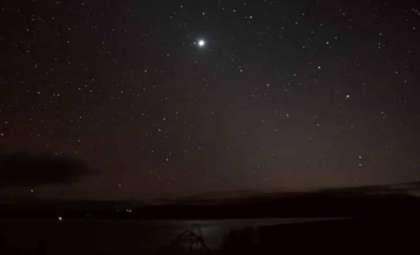
On December 25, as families celebrate indoors, look eastward just after sunset to spot the bright planet Jupiter, often nicknamed the “Christmas Planet”. About an hour after sundown, this giant planet rises, shining brilliantly. Forbes notes that Jupiter is nearing its opposition on January 10, 2026, when Earth will be directly between Jupiter and the Sun, making Jupiter appear at its brightest.
Alongside Jupiter, the constellation Orion can be found in the southeast, with its notable three-star belt and bright stars Betelgeuse and Rigel enhancing the celestial scene. Jupiter’s nearby proximity to the twin stars Castor and Pollux in Gemini forms a distinctive triangle easily spotted without optical aids, a great nighttime reference point.
Saturn Joins the Moon in a Post-Holiday Conjunction
On Friday, December 26, the ringed planet Saturn will closely align with the moon in a conjunction. After dusk, look towards the southern sky to find the moon, now 41% lit, positioned less than three degrees away from Saturn. This pairing is impressive to witness even with the naked eye, as Saturn glows steadily above the horizon.
Below this celestial duo, Fomalhaut once more makes an appearance near the horizon, creating a subtle anchor for the scene. As Forbes mentions, Saturn’s brightness is dimming as it drops lower each night, which could make this one of the last easy views of the planet before it sinks into early 2026 twilight.
Midweek Highlight: The Moon at First Quarter
By Saturday, December 27, the moon reaches its first quarter phase, shining at 50% illumination high in the southwestern sky. This phase is ideal for moonwatching since the play of shadows enhances craters and ridges, which can be appreciated through binoculars or beginner telescopes. It’s a wonderful time for new observers to explore lunar features without specialized gear.
Despite the moon’s brightness, other stars remain visible. Far above in the northeast, the constellation Auriga stands out, anchored by its golden star Capella. Auriga forms a distinctive five-pointed shape that can be spotted even in areas with light pollution, making it a magnificent winter constellation adding texture to the night sky.
Discover Auriga and the Geometry of Winter Skies
Auriga shines as the constellation to watch this week, admired both for its visual appeal and accessibility. Visible early evening through the night, this winter figure hosts several star clusters suited for binocular viewing. Its brightest star, Capella, remains above the horizon throughout North American nights, ensuring its consistent presence.
Forbes highlights that finding Auriga assists skywatchers in navigating the winter constellations. It also connects to adjacent star groups like Taurus and Perseus, making it a great starting point for those eager to explore the heavens deeper over the holidays. Its pentagonal shape from five primary stars creates a simple and recognizable outline.
Northern Lights Could Grace the Sky
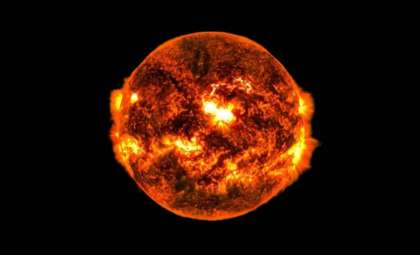
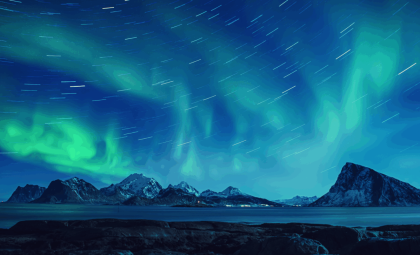
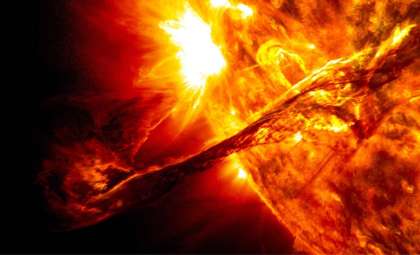
While the Moon and planets captivate most viewers, there’s also potential for spectacular auroras this week. With increased solar activity expected during this phase of the solar cycle, northern parts of Canada, Scandinavia, and sections of the northern U.S. might witness faint green and red auroral displays lighting the night sky.
No major geomagnetic storms are forecast currently, but minor solar flares might still trigger aurora borealis appearances at short notice. Tracking local aurora warnings and using apps like AuroraWatch can keep enthusiasts informed about viewing opportunities. Residents in higher latitudes could enjoy unexpected colorful shows overhead during the festive season.
- Categories:
- News





0 comments
Sign in to Comment