
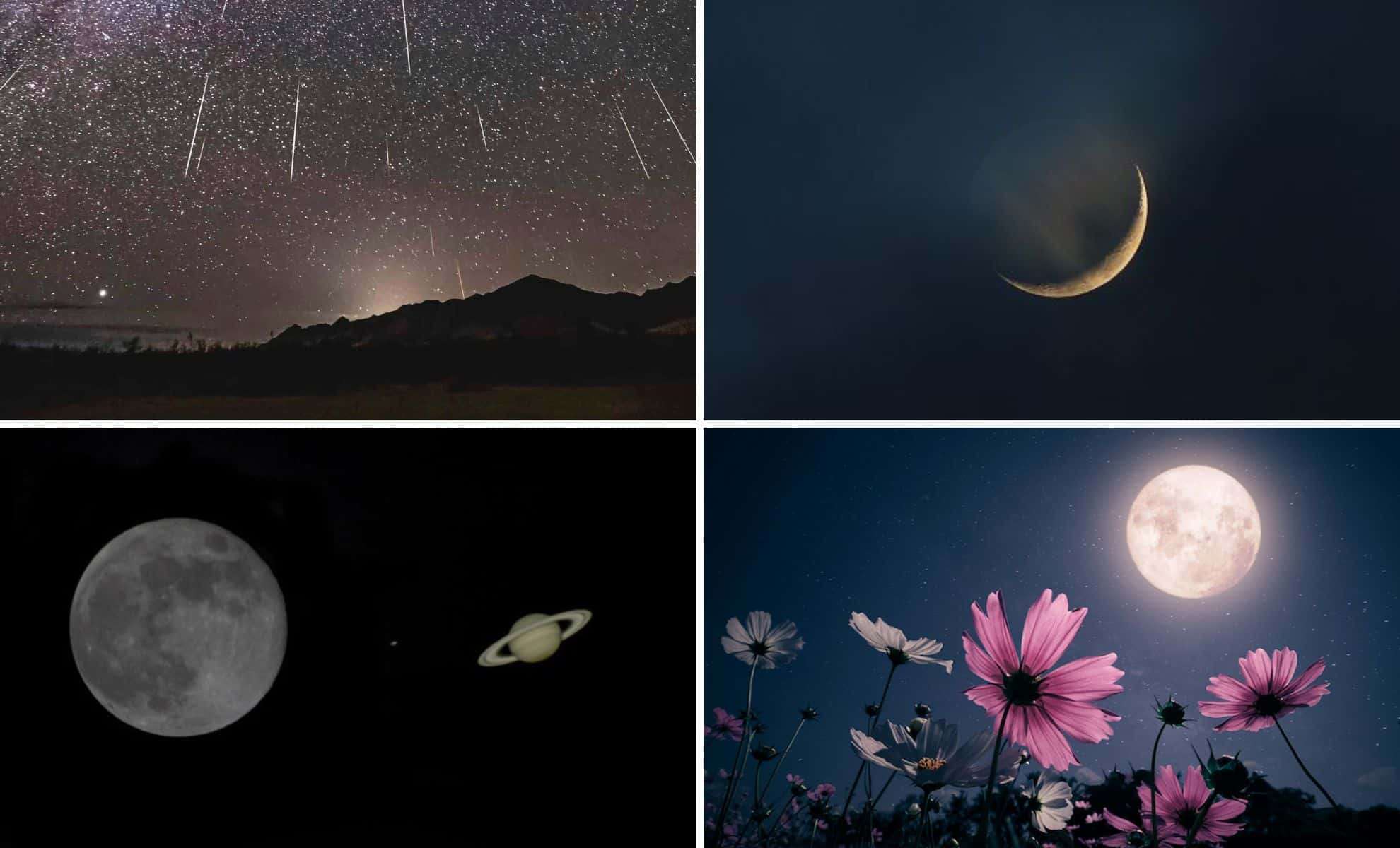
May brings a wealth of astronomical spectacles, offering enthusiasts a chance to observe unique planetary alignments, distant star formations, and brilliant meteor streaks across the night sky. According to National Geographic, the month features a variety of rare phenomena perfect for both casual and dedicated skywatchers. Here is your detailed timeline for the month’s must-see events.
Triad in Twilight – May 3
Shortly after sunset on May 3, skywatchers can spot the slender crescent moon alongside the glowing red Mars and the dazzling Beehive Cluster (Messier 44) in the western horizon. The Beehive is a prominent open cluster offering stunning views through binoculars or small telescopes, with Mars adding a vibrant red hue to this serene dusk tableau, visible just after twilight fades.
Halley’s Meteor Shower Peaks – May 5
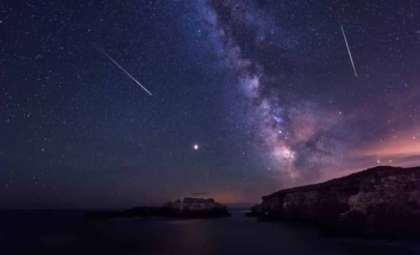
The Eta Aquariid meteor shower, originating from debris left by Halley’s Comet, will peak in the early hours of May 6. Known for its swift meteors and luminous trails, the shower often delivers rates of 10 to 20 meteors per hour depending on location. With the moon’s light minimal this year, conditions are excellent for spotting these celestial sparks from a comet that last graced the inner solar system in 1986.

Saturn’s Rings Turn Edge-On – May 6
Saturn hits its equinox on May 6, an event that happens approximately every 15 years. During this time, the planet’s rings are aligned edge-on from Earth’s perspective, rendering them nearly invisible even in telescopes. This fleeting phenomenon offers a rare glimpse of Saturn appearing without its signature ring system.
Ancient Star Sphere on Display – May 11
The globular cluster Messier 5 (M5) reaches peak visibility on May 11. This compact collection of stars, over 13 billion years old, harbors more than 100,000 stars packed tightly together, resembling a faint, sparkling orb through a telescope. Observing M5 provides insights into the early history of our galaxy.
A Subtle and Distant Full Moon – May 12
The full moon on May 12, known as the “Flower Moon”, also qualifies as a micromoon because it occurs when the moon is farthest from Earth. It won’t appear as large or bright as a supermoon but offers a gentle, soft glow ideal for artistic night photography and peaceful lunar appreciation.
Moon Joins Saturn Before Dawn – May 22
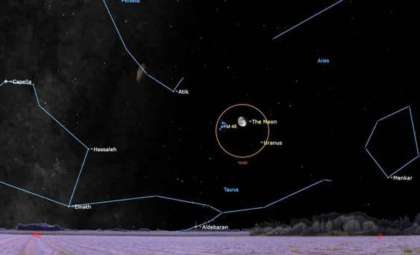
Before sunrise on May 22, a slender waning crescent moon will approach Saturn closely, within about 2.5 degrees. Though they won’t fit in the same telescope field, binoculars will reveal this charming pairing. This event provides a wonderful opportunity to see two celestial objects near each other without sophisticated instruments.
Ultimate Stargazing Night – May 26
The new moon on May 26 guarantees the darkest skies of the month, making it optimal for spotting faint galaxies, nebulae, and deep-sky clusters. Whether you’re under a pristine dark sky park or a countryside setting, this is one of the best times to delve into deep-sky observation.
Close-Up on a Neighboring Star Cluster – May 28
Look eastward on May 28 to find Messier 4 (M4), the closest globular cluster to us at roughly 5,500 light-years away. Home to thousands of stars including white dwarfs, M4 sits near the bright red star Antares in the constellation Scorpius. Moderate telescope power can reveal its rich, densely packed stellar population.
Venus Shines Bright in the Morning – May 31
Early risers will be treated on May 31 when Venus hits its greatest western elongation, placing it at its highest elevation in the pre-dawn sky. Famous as the “morning star,” Venus will be brilliantly visible to the naked eye well before the sun rises, ranking among the brightest objects in the sky.
Provided the weather stays clear, all nine of these cosmic occurrences offer exhilarating views—telescopes optional but greatly enhance the experience. Whether you’re a beginner or an expert, May 2025 promises a dazzling array of celestial delights to enjoy.
- Categories:
- News





0 comments
Sign in to Comment