
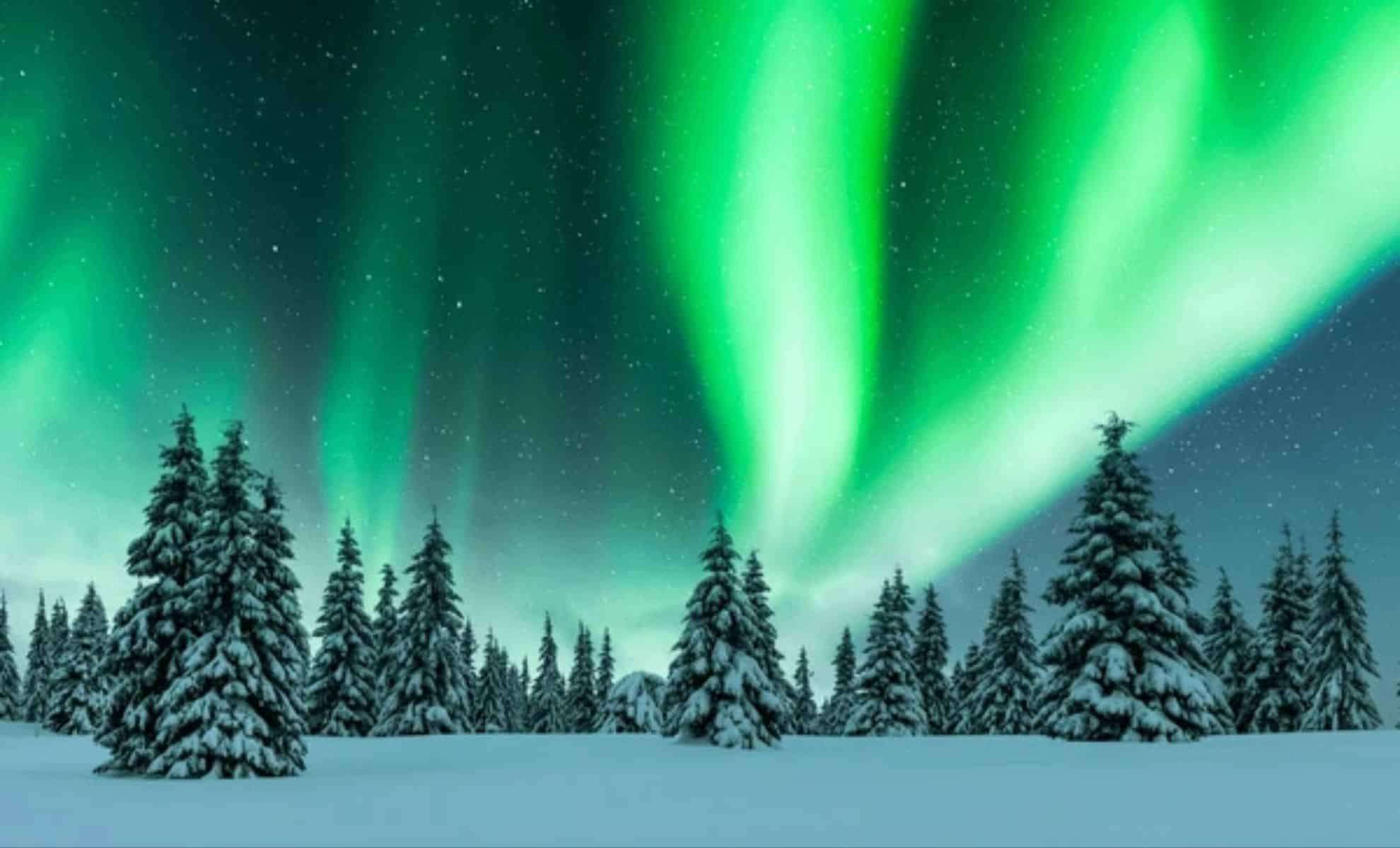
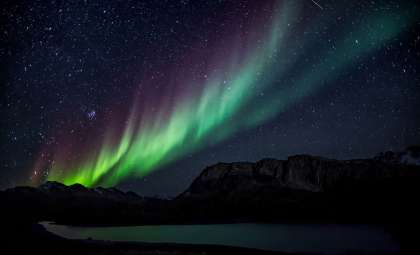
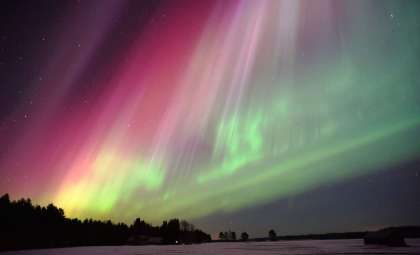
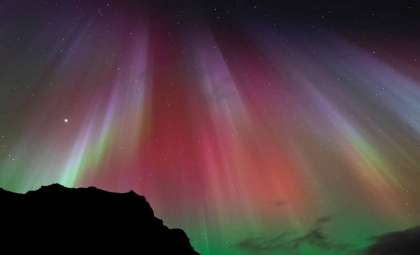
This holiday season, an extraordinary display of the aurora borealis might grace the skies above parts of the Upper Midwest and northern U.S., offering a spectacular treat for observers. A minor geomagnetic storm, triggered by a solar eruption earlier this week, is forecasted to push the northern lights further south than typical. Though such storms don’t ensure aurora visibility everywhere, clear weather and proper timing could reward night watchers with a dazzling celestial show.
The Solar Flare Sparking the Aurora
It all started on December 23, when the Sun unleashed a significant M8.9-class solar flare, hurling a large coronal mass ejection (CME) into space. This surge of charged solar particles is expected to collide with Earth’s magnetosphere by December 25. When these particles meet Earth’s atmospheric gases, they trigger the glowing auroras typical of the Northern Hemisphere.
NOAA’s Space Weather Prediction Center has issued a G1 geomagnetic storm alert for Christmas Day. While G1 marks a minor disturbance, such events can still create striking northern lights visible at higher and sometimes mid-latitudes. This makes Christmas night prime viewing for many sky enthusiasts.

Regions Likely to Witness the Aurora
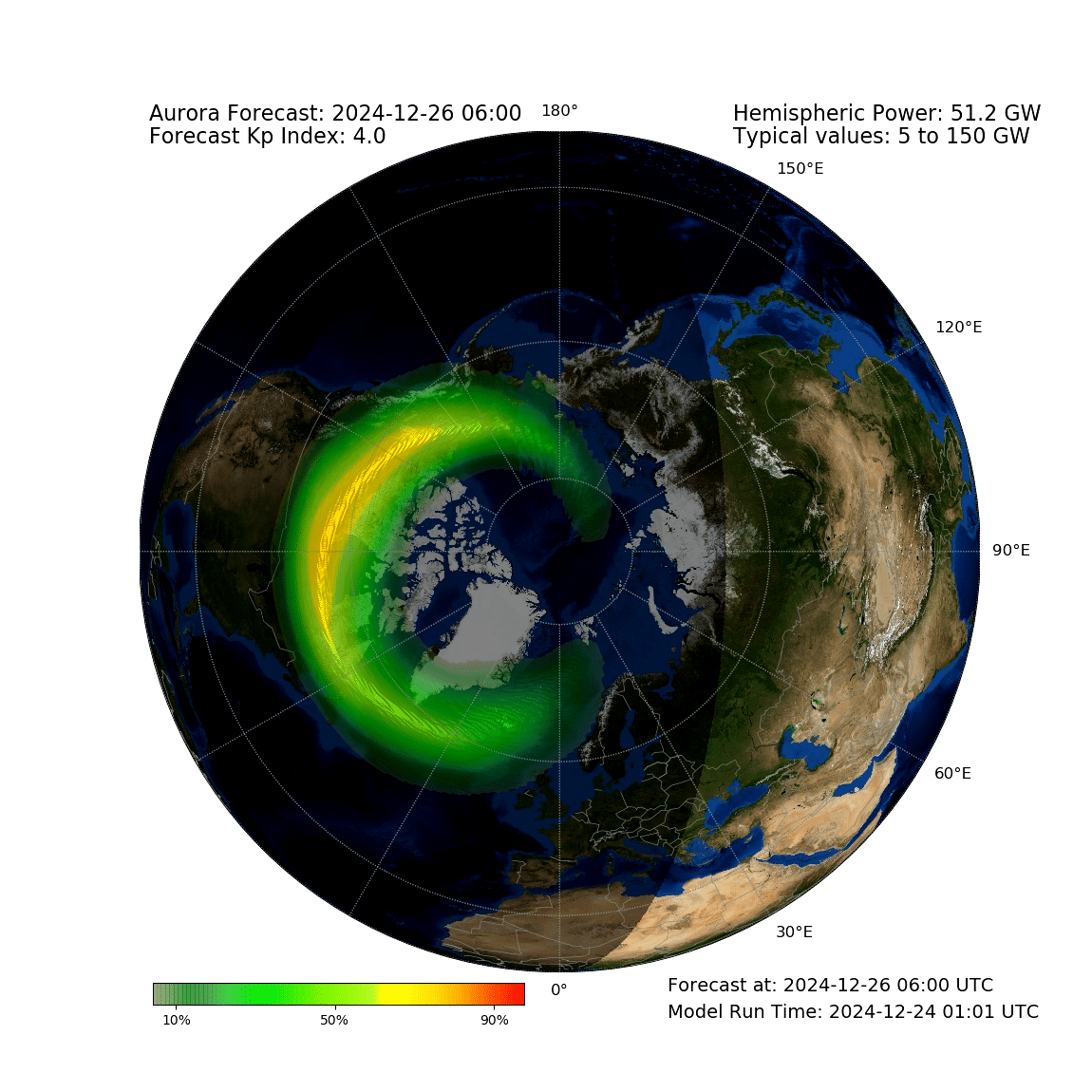
Auroral displays usually occur closer to the poles, but this event may extend visibility into more southern latitudes. Particularly promising locations for Christmas aurora spotting include:
- Northern Michigan: Especially near the Upper Peninsula.
- Maine: Its low-light rural environments offer excellent viewing spots.
- Minnesota: Areas near the Canadian border have the best prospects.
- Wisconsin: Northern regions might see faint light depending on cloud conditions.
- North Dakota: Rural zones with dark skies could offer optimal chances.
Traveling to darker, less light-polluted areas will enhance the likelihood of catching the aurora's glow.
Tips for Catching the Northern Lights
Viewing the aurora borealis depends on more than just solar activity, including local weather and light interference. To optimize your experience, consider the following:
- Monitor Weather Conditions: Clear skies are essential as clouds can obscure the display.
- Pick the Best Time: Auroras tend to be most visible between 10 p.m. and 2 a.m. local time.
- Use Tracking Apps: Applications like “My Aurora Forecast & Alerts” or “Space Weather Live” provide up-to-date predictions based on your location.
- Minimize Light Pollution: Find areas away from urban lighting for the clearest view.
- Dress Appropriately: Prepare for cold temperatures typical of this time of year by bundling up warmly.
The Science Behind the Auroras
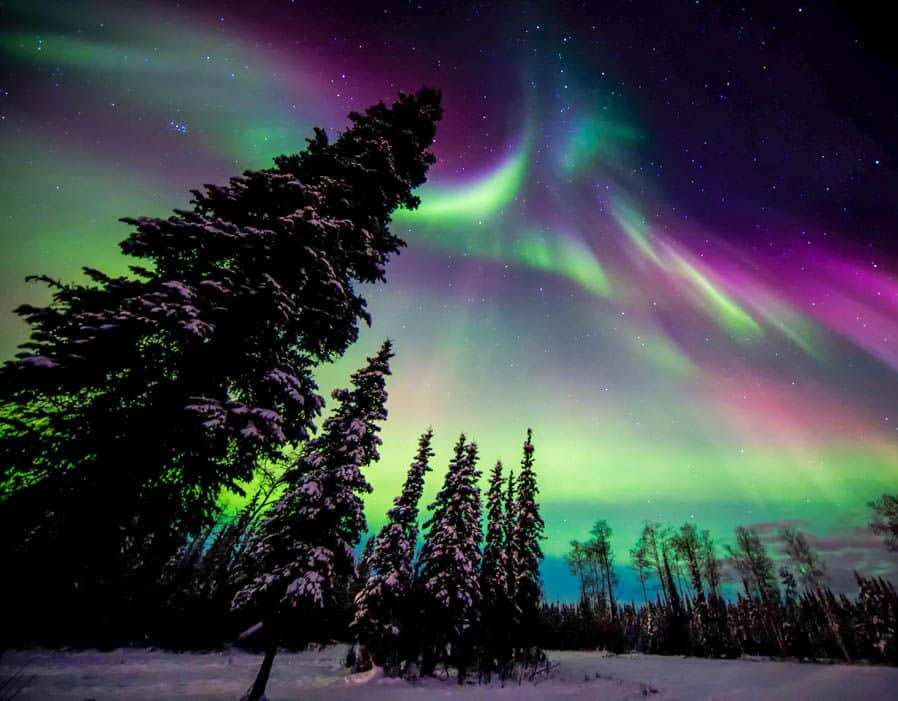
The captivating auroras represent more than just a visual marvel—they illustrate dynamic space weather effects. When charged particles from a CME encounter Earth's magnetic shield, they collide with atmospheric gases such as oxygen and nitrogen. These interactions emit vibrant colors: oxygen causes green and red glows, while nitrogen produces blue and purple hues, creating mesmerizing light displays across the sky.
While the upcoming geomagnetic storm is classified as minor, solar activity can be unpredictable. The Sun is currently in an intense phase of its 11-year cycle, raising the likelihood of additional solar flares and CMEs in the near future.
- Categories:
- News







0 comments
Sign in to Comment