
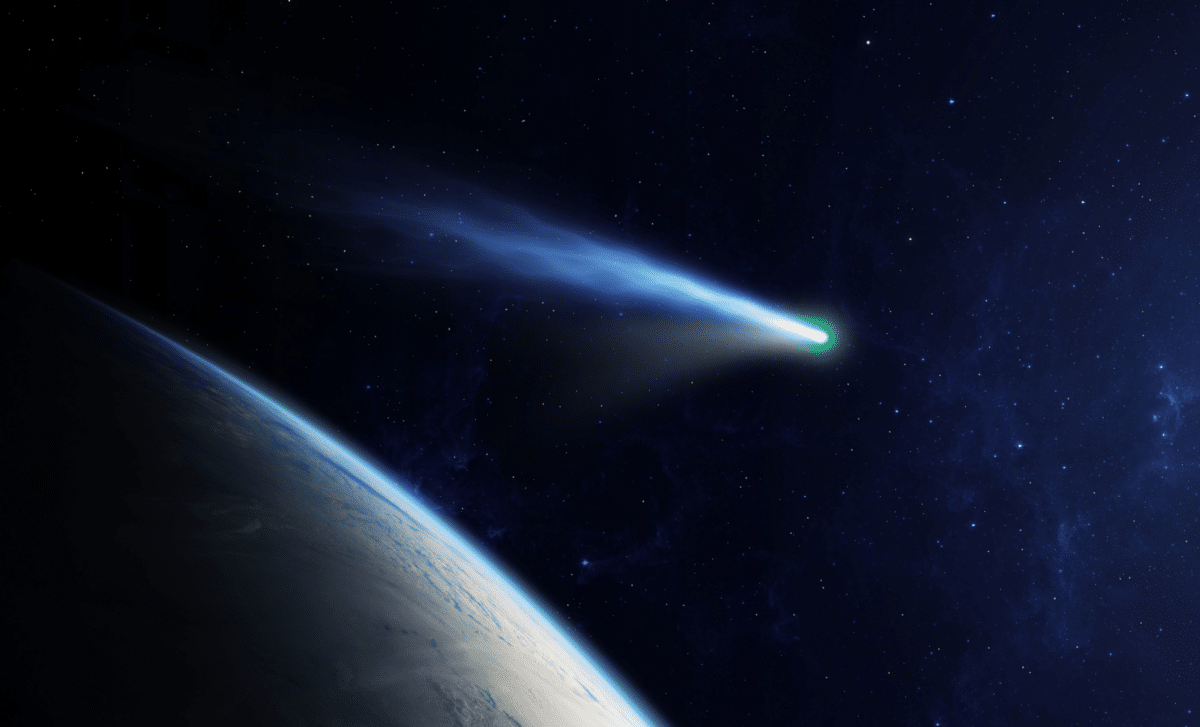
A recently identified Kreutz family comet, C/2026 A1 (MAPS), is making its journey toward the Sun, capturing considerable interest among astronomers. According to Sky & Telescope, this comet might develop a striking tail as it nears its closest solar approach in early April 2026, potentially becoming a dazzling naked-eye phenomenon. With its close solar passage and intriguing lineage, C/2026 A1 has the potential to join the list of remarkable comets witnessed in modern times.
What Sets Comet C/2026 A1 (MAPS) Apart Among Kreutz Comets?
The announcement of Comet C/2026 A1 (MAPS) has generated excitement, especially due to its classification within the Kreutz comet group. These comets are recognized for their extremely elongated orbits and are fragments of a gigantic progenitor comet that fragmented thousands of years ago during a close solar encounter. This newly discovered comet is traveling along a similar perilous path and might shine prominently in our sky.
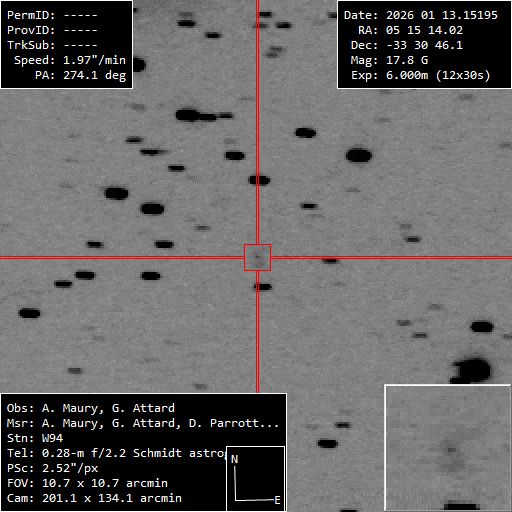
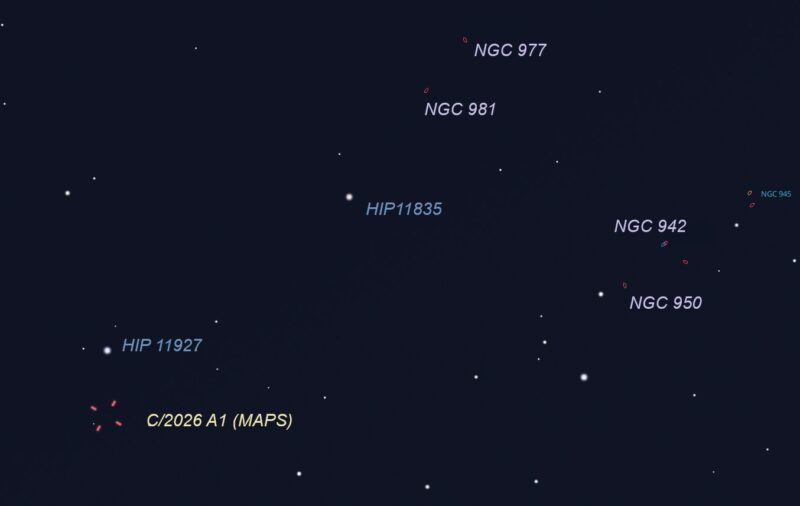
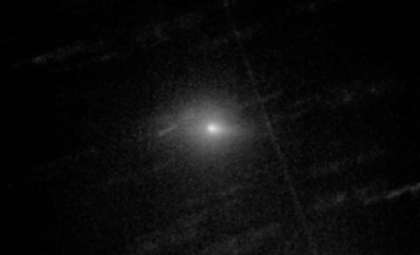
Detected on January 13, 2026 by a team of French astronomers collaborating on the MAPS (Maury, Attard, Parrott, and Signoret) project, the comet was initially very faint, at about 18th magnitude, positioned in the constellation Columba. It has since brightened modestly and is now detectable with sizeable telescopes. Although still invisible to the naked eye, it is forecast to brighten notably as it reaches perihelion on April 4, 2026.

The Allure of Kreutz Sungrazers
Kreutz comets belong to a larger group of sungrazing comets known for their exceptionally close solar approaches. Many of these comets disintegrate due to extreme heat and tidal stresses from the Sun, but those that survive can display breathtaking brilliance. Notable examples include the Great Comet of 1843 and Comet Lovejoy in 2011, both of which were visible even during daylight at their nearest point.
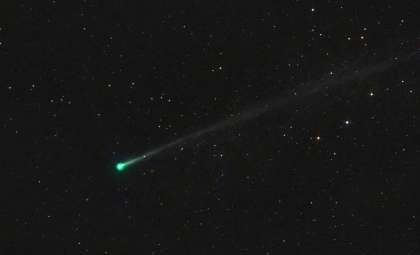
C/2026 A1 (MAPS) is anticipated to follow suit if it withstands the solar proximity. As the comet approaches the Sun, solar heating causes the icy core to sublimate, producing a glowing tail composed of gas and dust. Its estimated nucleus size—potentially up to 2.4 kilometers—enhances its chances of enduring this intense solar encounter.
Viewing Opportunities for C/2026 A1 (MAPS)
Observers in the Northern Hemisphere face a challenge since the comet will be very close to the Sun during perihelion, making direct observation difficult. As noted by Sky & Telescope, it will remain low near the evening horizon and require advanced filtering methods or specialized instruments for sighting. Yet, if the comet survives, it may display a bright tail visible briefly in the western sky after perihelion.
In contrast, Southern Hemisphere spectators will have an improved chance to see the comet as it rises higher post-perihelion. Although initially faint in early March, by April it could be observed with larger telescopes. Southern viewers also benefit from earlier evening visibility before it approaches too near the Sun.
How Does C/2026 A1 Stand in Comparison to Historic Kreutz Comets?
The final brightness of Comet C/2026 A1 remains uncertain, but it draws parallels with earlier spectacular Kreutz comets. Some, like the Great Comet of 1843, hit intense magnitudes visible to the naked eye and even during daylight. Should C/2026 A1 endure its hot solar passage, it might achieve a similar brightness, providing a rare celestial show.
Nevertheless, Kreutz comet behavior is notoriously unpredictable. Some fragment spectacularly, creating vivid displays of gas and dust, while others fade without much fanfare. Sky & Telescope warns that although C/2026 A1 could brighten impressively, there's also a risk it could disrupt before reaching its peak.
Understanding the Perilous Solar Journey of Kreutz Comets
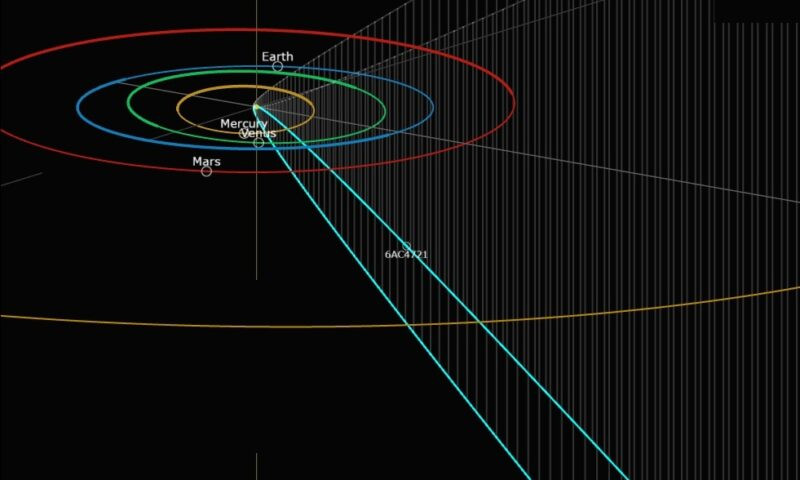
These comets exhibit some of the most extreme orbital dynamics in the solar system, traveling on orbits that bring them perilously close to the Sun—sometimes much nearer than Mercury. This exposes them to scorching heat and powerful tidal forces, which often cause them to fragment or completely disintegrate.
As the comet nears the Sun, the nuclear ice sublimates to form a glowing coma and tail, while the Sun’s gravity can stretch and break apart its nucleus. Scientists are actively investigating these forces to better comprehend the structural integrity and behavior of small solar system bodies under intense solar influence.
What Lies Ahead for C/2026 A1 Following Its Perihelion Pass?
After swinging around the Sun, Comet C/2026 A1 will begin fading as it retreats from solar brightness. It may continue to display a visible tail for several days, though according to Sky & Telescope, it will rapidly dim, likely reaching magnitudes near 13 or 14 and becoming much more challenging to see without telescopes. The comet’s survivability past perihelion will determine how long this tail can be observed.
If intact, the comet’s tail could provide a rewarding spectacle for astronomers. However, the brightness window will be short, urging observers to act promptly to witness the display.
Will C/2026 A1 Join the Ranks of “Headless Wonders”?
Not all sungrazing comets meet expectations; some, like Comet Lovejoy (C/2011 W3), break apart near the Sun, resulting in so-called “headless wonders” that have disintegrated nuclei and faint tails. C/2026 A1 might experience a similar fate, limiting its visual splendor.
Despite these risks, if it survives unscathed, this comet could become one of the brightest seen in decades. Its potential light show remains uncertain and hinges solely on its upcoming solar encounter.
Expert Predictions on the Bright Tail of C/2026 A1 (MAPS)
Specialists are optimistic about the possibility that C/2026 A1 will forge a luminous tail during its close approach. Its comparatively large nucleus and orbital path suggest survival through perihelion and emergence with an impressive tail comprised of gas and dust. Nevertheless, predicting comet behavior is inherently challenging—some comets explode into brilliance while others vanish. For now, anticipation builds as we prepare to observe this celestial traveler.
- Categories:
- News







0 comments
Sign in to Comment