

The quest to discover life beyond Earth often conjures visions of alien creatures and otherworldly landscapes. But a fresh hypothesis offers a different approach—life on distant planets might be unveiled by the hues found within their clouds. New research suggests that biopigments, similar to those coloring Earth's atmosphere, could exist on faraway worlds, potentially indicating living organisms. This innovative idea is detailed in a recent study featured in The Astrophysical Journal Letters.
Unveiling Earth's Atmospheric Microbial Palette
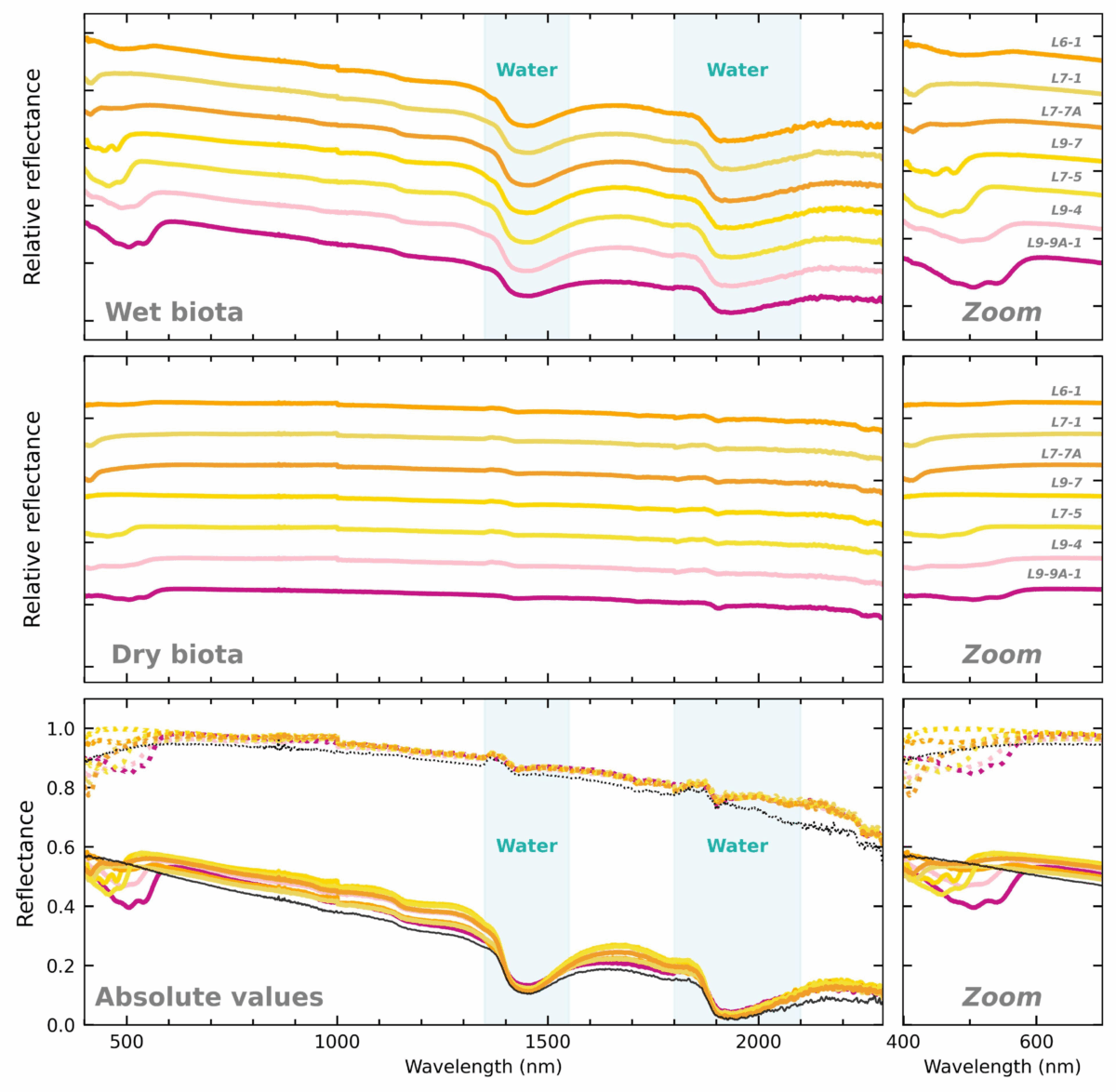
Though we often picture life as complex, visible beings, tiny microbes might be the crucial frontier in the search for extraterrestrial life. Earth’s upper atmosphere hosts diverse microbial communities that produce distinct biopigments. These pigments generate the vivid colors observed in clouds and other atmospheric phenomena.
“There is a vibrant community of microorganisms in our atmosphere that produce colorful biopigments, which have fascinated biologists for years,” said Coelho, a key contributor to this exciting research.
Add Cosmo Herald as a Preferred Source

These microorganisms flourish within Earth's clouds and air currents, impacting ecosystems by capturing sunlight, aiding gas cycles, and influencing weather events. Scientists have long been intrigued by their resilience in extreme conditions. Now, researchers propose that biopigments like these might exist on exoplanets, offering potential evidence of extraterrestrial life.
Detecting Life Through the Palette of Alien Skies
The concept of identifying life via atmospheric coloration on distant worlds is a novel but scientifically grounded one. On Earth, specific biopigments are strong evidence of living organisms, as their formation depends on conditions like sunlight, humidity, and nutrients—parameters closely tied to life. By studying the spectral colors and compositions in exoplanetary clouds, scientists hope to find markers of alien microbes.
The research published in The Astrophysical Journal Letters presents the detection of cloud-based biopigments as a promising new direction in astrobiology. This method diverges from traditional pursuits that emphasize planets with liquid water or signs of complex biology.
Color Clues: Unlocking the Mystery of Extraterrestrial Microbes
Cloud colors on Earth stem in part from microorganisms responsible for various atmospheric hues. For instance, some bacteria generate reddish tints, while others cause greenish or yellowish shades. These color patterns arise from biological chemistry unique to living cells, making them dependable life indicators. Advanced telescopes capable of atmospheric analysis may identify such pigment signatures on planets light-years away.
Discovering these distinct pigments within alien clouds could represent humankind’s first direct glimpse of extraterrestrial life.
“Finding colorful life in Earth’s atmosphere has opened a completely new possibility for finding life on other planets,” said Lisa Kaltenegger, professor of astronomy and director of the Carl Sagan Institute (CSI).
Exploring cloud colors for traces of life marks an exciting new chapter in the ongoing search beyond our solar system.
- Categories:
- Space






0 comments
Sign in to Comment