
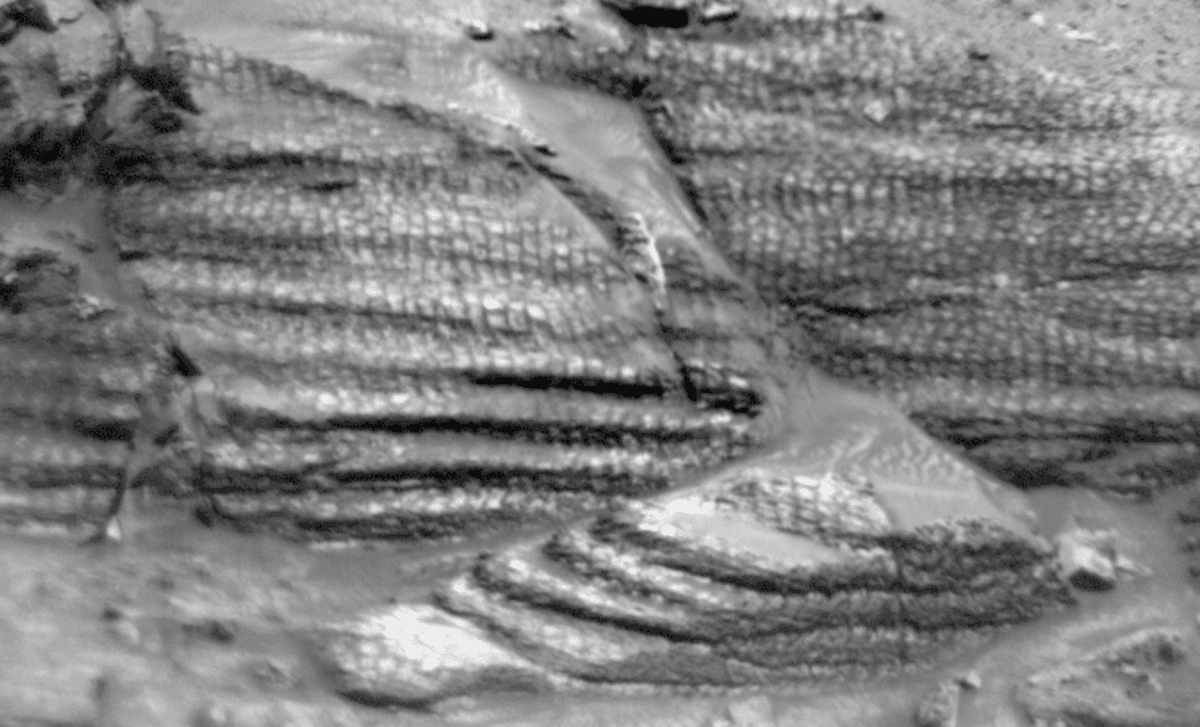
NASA’s Curiosity rover has recently uncovered a remarkable find during its ongoing expedition on Mars, captivating both scientists and space aficionados. The rover has successfully settled in a previously uncharted area on the Martian surface, opening fresh avenues to explore the planet’s geological past and assess its habitability. Updates posted on NASA’s official blog highlight how this new location enhances Curiosity’s research prospects.
Significance of Curiosity’s Latest Position on Mars
Since landing on Mars in 2012, NASA’s Curiosity rover has been essential in deepening our knowledge of the planet’s atmospheric patterns, climatic history, and geological characteristics. Equipped with advanced scientific tools, the rover analyzes Mars’ terrain to reveal insights about its environmental evolution. The current site where Curiosity has parked features intriguing geological structures, granting researchers a unique chance to investigate Mars’ secrets more profoundly.
This strategic placement grants Curiosity direct access to sedimentary layers previously unexplored, enabling a more comprehensive study of Mars’ ancient environment. Scientists chose this location because it offers an optimal setting to examine rock formations, trace evidence of past water activity, identify organic materials, and search for other signs that Mars might have supported life in epochs long past.

Discovery Highlights: Traces of Ancient Water on Mars?
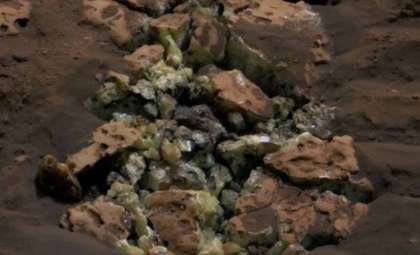
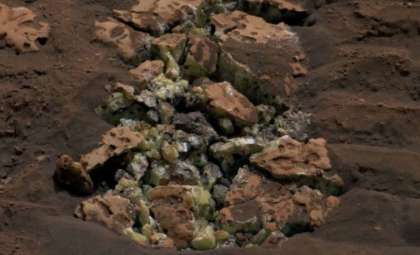
Among Curiosity’s recent breakthroughs is the detection of minerals near its new location that could have originated through interaction with water. Since water is a fundamental ingredient for life, this finding strengthens the theory that Mars once had liquid water and potentially conditions conducive to microbial life.
Investigating these mineral deposits may help address the persistent question of whether life ever existed on Mars. Although the rover has previously encountered evidence indicating historical water presence, these fresh discoveries offer a clearer view of how water may have shaped Martian landscapes and ecosystems.
Beyond the immediate geological implications, understanding water’s relationship with the Martian surface can also shed light on planetary evolution processes applicable to Earth and other bodies in our solar system.
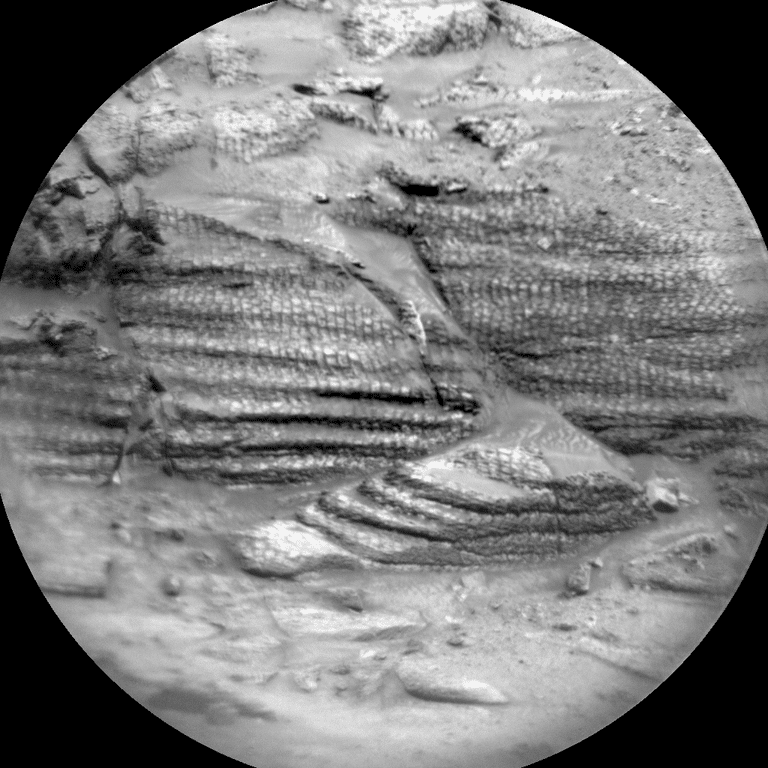
Choosing the Ideal Parking Site for Curiosity
Determining an optimal spot for Curiosity involved a comprehensive evaluation of multiple aspects such as safety, scientific benefits, and terrain conditions. NASA’s mission team carefully examined various Martian regions before settling on the current location as the best fit for the rover’s upcoming research objectives.
The selected area minimizes risks by providing a stable and hazard-free environment to protect the rover’s delicate instruments. Avoiding large boulders, steep slopes, and unstable surfaces ensures smooth navigation and long-term operational success.
Moreover, this site offers diverse geological features, which are crucial for piecing together Mars’ history, its changing climate, and its past potential to nurture life forms.
Curiosity’s Role in Revolutionizing Mars Science
Curiosity has dramatically expanded our comprehension of Mars by delivering detailed analyses of the planet’s rocks, soil, and atmosphere. Its data confirm that Mars was once far more Earth-like, with conditions that might have been suitable for life.
A landmark discovery was the identification of complex organic molecules, fundamental components related to the origin of life, igniting enthusiasm in the scientific community about the possibility of ancient Martian life.
The rover also provided critical evidence supporting the existence of historical water bodies, including rivers, lakes, and possibly a vast ocean. These important insights continue to transform our view of Mars’ evolution and guide future efforts in exploring the Red Planet and the search for extraterrestrial life.
- Categories:
- News





0 comments
Sign in to Comment