
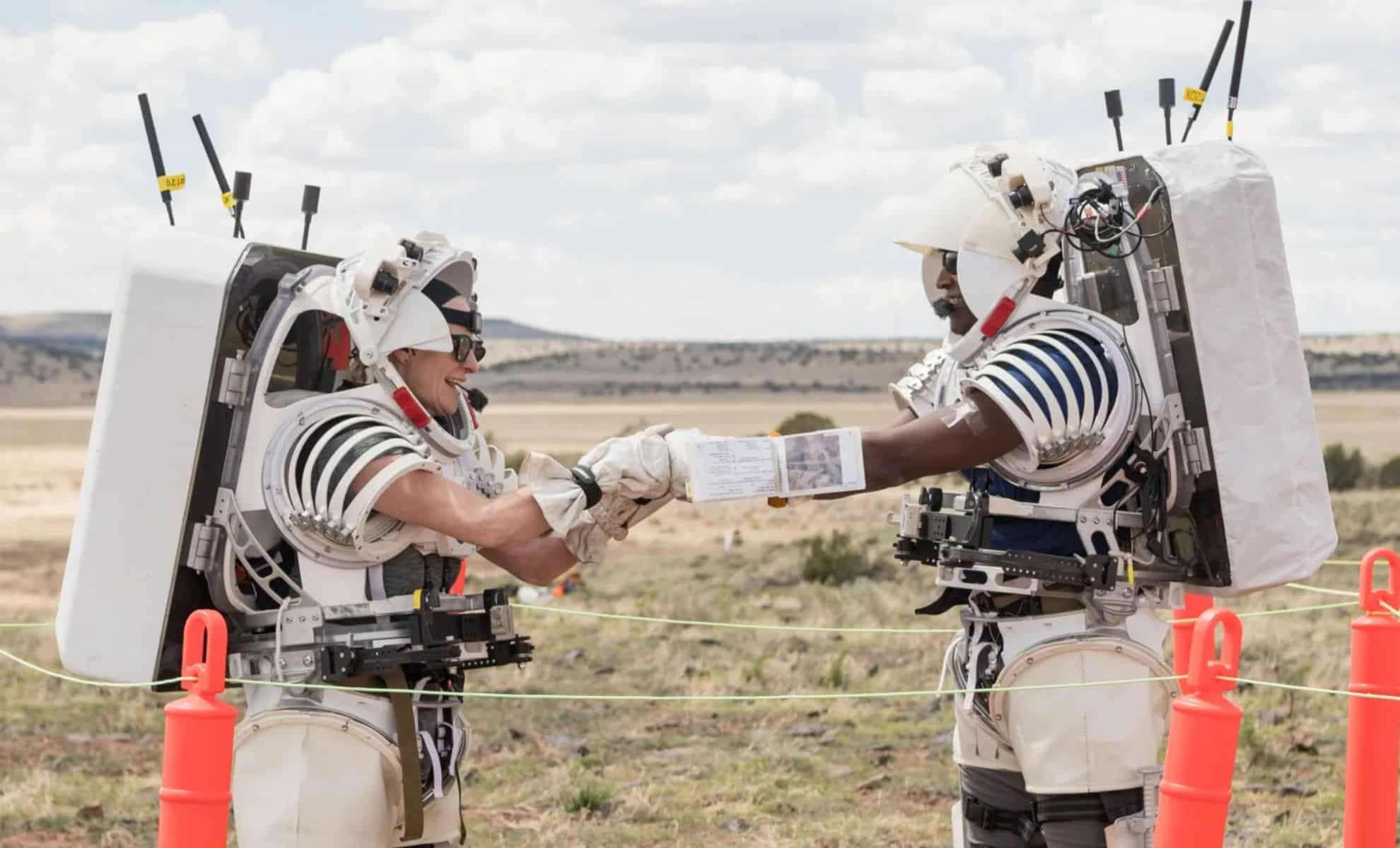
As NASA’s Artemis III mission approaches its milestone objective of landing astronauts near the Moon’s South Pole, extensive Earth-based training is underway to prepare the crew for the mission’s complexities. Recently, astronauts Andre Douglas and Kate Rubins participated in a moonwalk simulation in the San Francisco Volcanic Field of Northern Arizona. Conducted on May 14, 2024, this rugged desert terrain mimics the Moon’s surface, offering a valuable environment for practicing lunar surface operations.
This exercise follows detailed research featured in Behind the Scenes of a NASA Moonwalk in the Arizona Desert, which outlines how mission crews and scientists develop and test key procedures ahead of Artemis III. The Arizona site effectively simulates lunar conditions, allowing ground teams and astronauts to validate collaboration and communication systems vital for a successful mission. Such synchronized efforts between astronauts and mission control are crucial when exploring the Moon’s challenging landscape.
Preparing for a Groundbreaking Expedition
Artemis III aims to send astronauts to the uncharted lunar South Pole, a region filled with scientific treasures and vital resources. To ensure mission success, astronauts must train in environments that closely resemble the Moon’s surface. The volcanic formations and rough terrain of the San Francisco Volcanic Field provide an excellent lunar analog, with harsh, barren conditions and complex topography ideal for navigation practice.

These training drills are essential for refining astronaut capabilities in geological assessments, sample gathering, and other scientific tasks they will undertake on the Moon. Beyond physical preparation, these exercises also test communication and teamwork with flight control and science teams on Earth. Guided by NASA’s Johnson Space Center in Houston, these simulations challenge astronauts to operate within mission parameters and adapt swiftly to unexpected difficulties during real moonwalks.
Replicating Lunar Surface Experiences on Earth
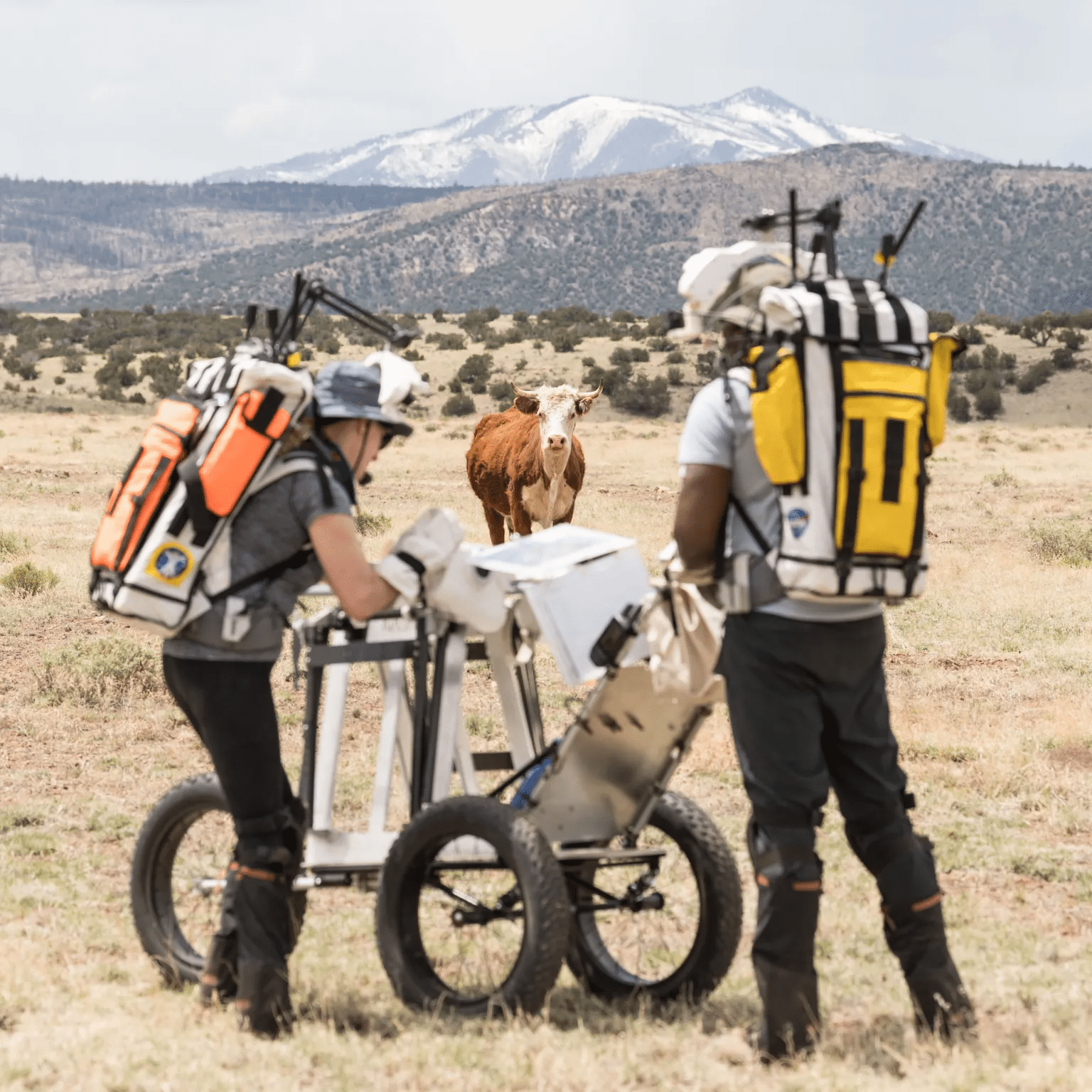
One of the greatest hurdles in these simulations is replicating the Moon’s extreme conditions on Earth. Astronaut Andre Douglas reflected on the experience, “My experience in Arizona was incredible! I worked with several teams, explored an exotic landscape, and got a taste of what it’s like to be on a mission with a crew.” The heat and ruggedness of the Arizona site, combined with working in space suits, offers a realistic preview of lunar challenges.
To imitate lunar gravity and dust conditions, astronauts wear specialized suits and navigate tough terrains while performing activities like collecting rock samples and mapping points of interest. The insights gained are invaluable not only for astronaut technique but also for improving the technologies that will support lunar exploration.
Lauren Edgar, a geologist affiliated with the U.S. Geological Survey in Flagstaff, Arizona, and co-leader of the simulation’s science team, explained, “So this ‘landing site’ was a good analog for the types of small changes in regolith astronauts will look for at the lunar South Pole.” Understanding the Moon’s regolith—the fine surface material—is vital for astronauts to identify subtle geological features. Testing these analog materials in Arizona sharpens the crew’s skills in detecting and analyzing delicate lunar surface variations.
Lunar Exploration Training Extends into Nighttime
Training also includes nocturnal sessions to simulate the Moon’s harshly contrasting light and shadow conditions. Since lunar nights are far darker than on Earth, astronauts must be adept at moving and working without natural illumination. Astronaut Kate Rubins remarked, “Night simulations show us how tough it is for the astronauts to navigate in the dark. It’s pretty eye opening.”
These night exercises test visual adjustment, artificial lighting use, and terrain navigation while dressed in bulky spacesuits. Considering the Moon’s unique day-night cycle, mastering operations during extended darkness is essential for mission viability. Astronauts face demanding scenarios where they must complete tasks under pitch-black conditions, preparing them for unpredictable situations they may encounter.
Gearing Up to Explore the Moon’s South Pole
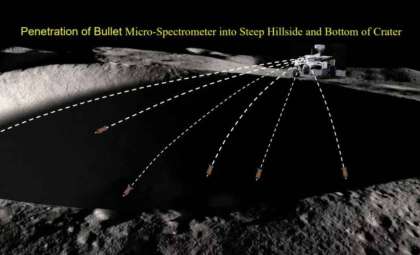
A key goal of Artemis III is to safely land astronauts at the Moon’s South Pole, an untouched zone with extraordinary scientific importance, including deposits of water ice that may be vital for future missions. The region’s uneven terrain, filled with deep craters and jagged hills, poses significant operational challenges requiring skilled navigation and efficient fieldwork.
Arizona’s training sessions equip astronauts to handle these difficulties, focusing on how subtle terrain changes could influence mission outcomes. Findings from the simulations guide how crews collect lunar samples and engage with the surface. Collaborative input from scientists, geologists, and planners continuously refines mission strategies using data from these simulations, ensuring thorough preparation before astronauts set foot on the Moon.
- Categories:
- News






0 comments
Sign in to Comment