
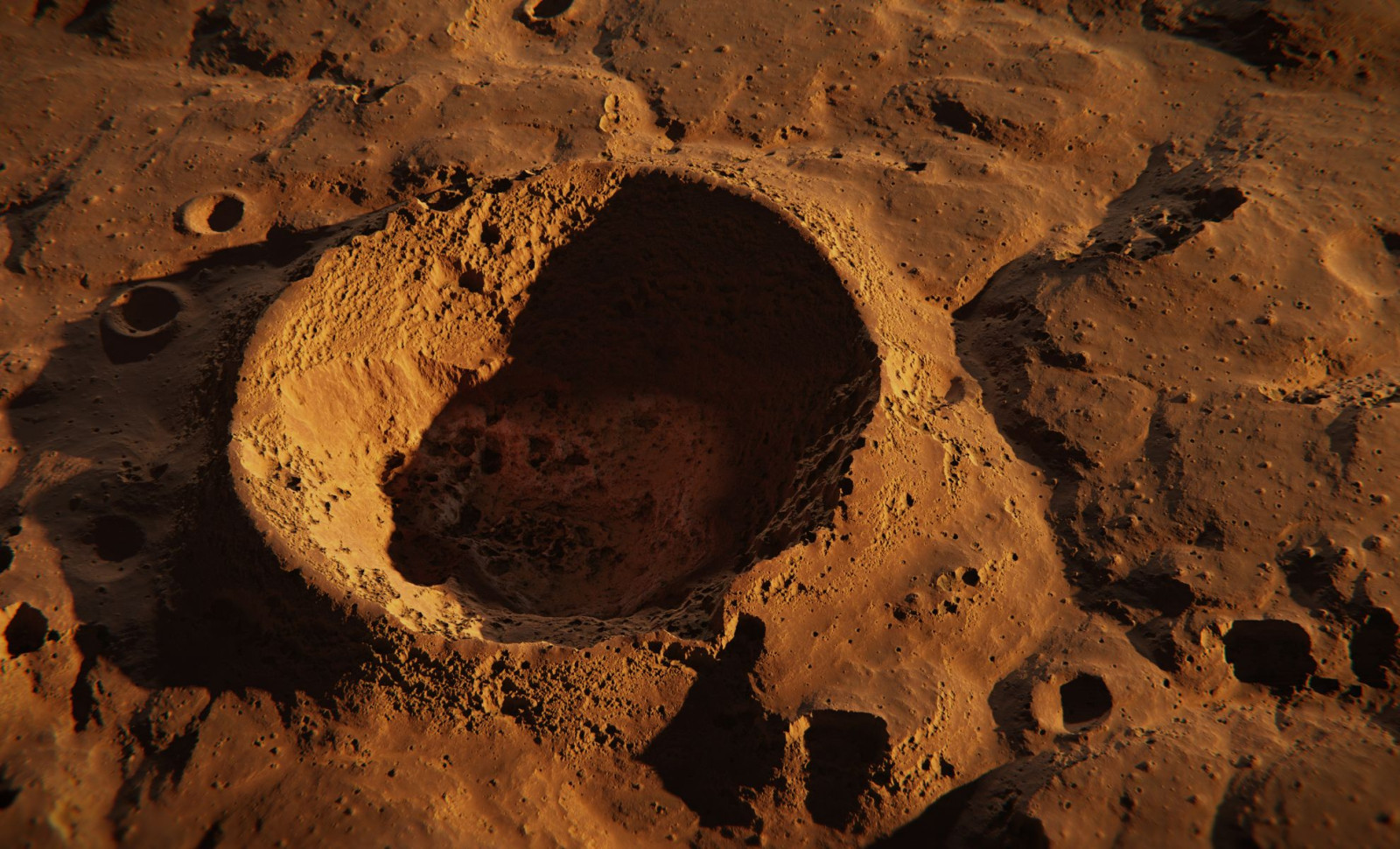
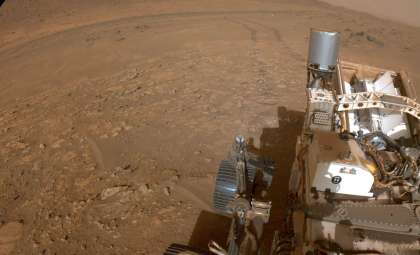
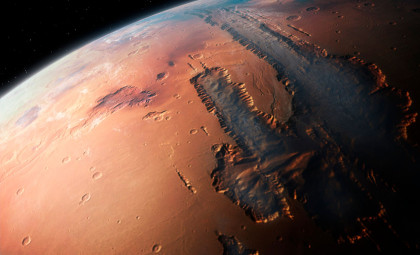
For more than ten years, NASA’s Curiosity rover has been gradually ascending the stratified slopes of Mount Sharp within Gale Crater, gathering data to decode Mars’ ancient climate and its shift from a water-abundant planet to the cold, arid world we know today.
New discoveries have sharpened the focus of this mission. Curiosity has now reached a fresh geological zone rich in rare mineral layers shaped by dynamic processes. Initial findings here imply that Mars may have supported life-friendly environments longer than previously established.
Tracing Ancient Water on Vera Rubin Ridge
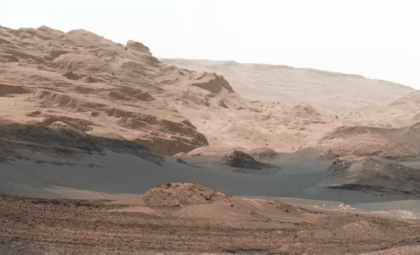
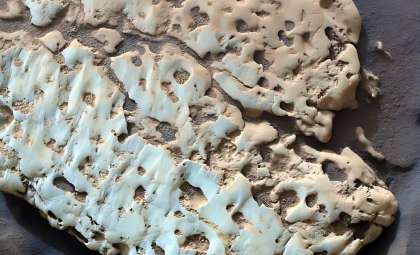
Recently, Curiosity explored Vera Rubin Ridge, an eight-story-tall geological feature within Gale Crater named to honor astronomer Vera Rubin. This ridge contains abundant hematite, an iron oxide mineral typically formed in watery conditions. Similar deposits have been identified by NASA’s Opportunity and Spirit rovers, but Vera Rubin Ridge offers an exceptional site to investigate these minerals embedded in sedimentary rock layers.

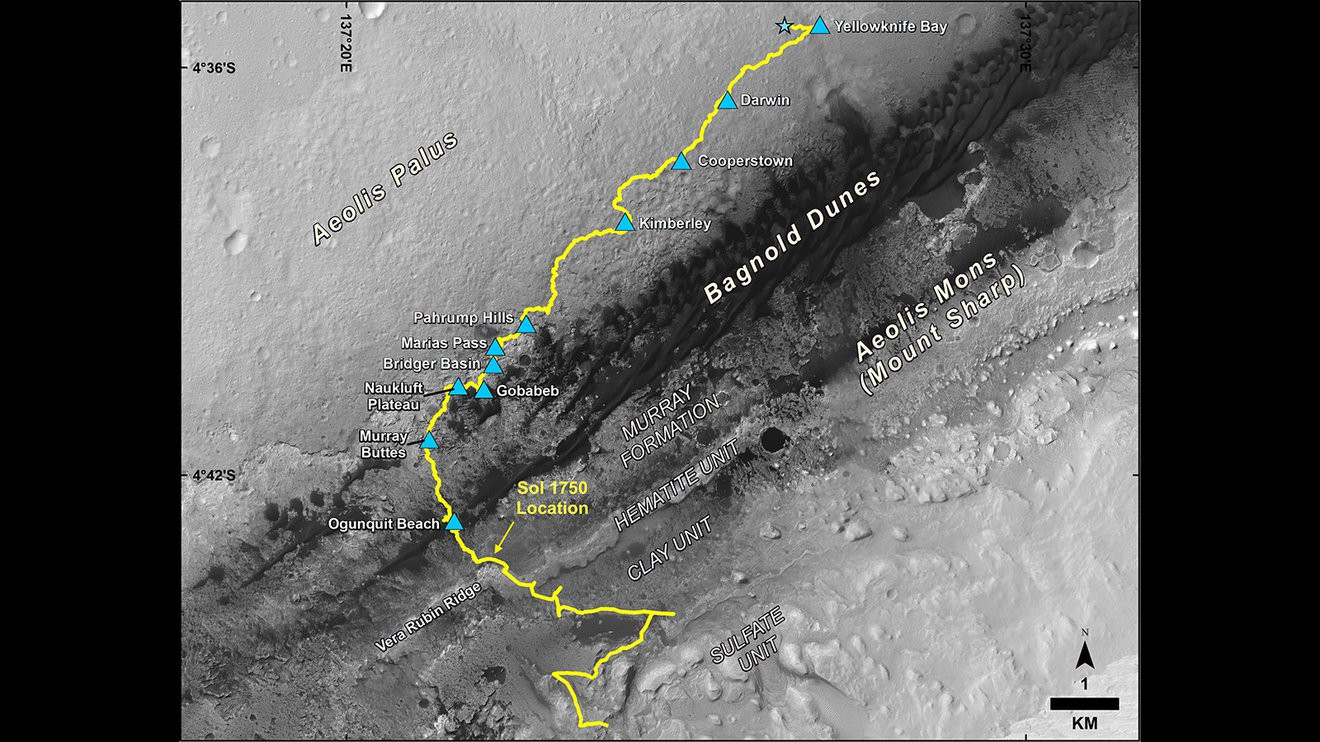
Researchers are probing whether the hematite found on Vera Rubin Ridge shares its origin with that of the adjacent Murray formation. Abigail Fraeman, a Curiosity science team member at NASA’s Jet Propulsion Laboratory, emphasized the mission’s key inquiries:
“Were they deposited by wind, or in a lake, or some other setting? Did the hematite form while the sediments accumulated, or later, from fluids moving through the rock?,” NASA’s Jet Propulsion Laboratory said in the statement.
Deciphering these processes could clarify how Mars’ surface was altered and indicate if liquid water persisted long enough to nurture life.
Unusual Martian Sand Dunes
Among other remarkable findings are Martian dunes unlike any seen on Earth. Curiosity studied a region known as Nathan Bridges Dune, part of ongoing research into how winds move sand on Mars. Due to the planet’s thin atmosphere, these medium-sized dunes represent a distinct category absent from Earth’s dune formations, which generally include either small ripples or large dunes.
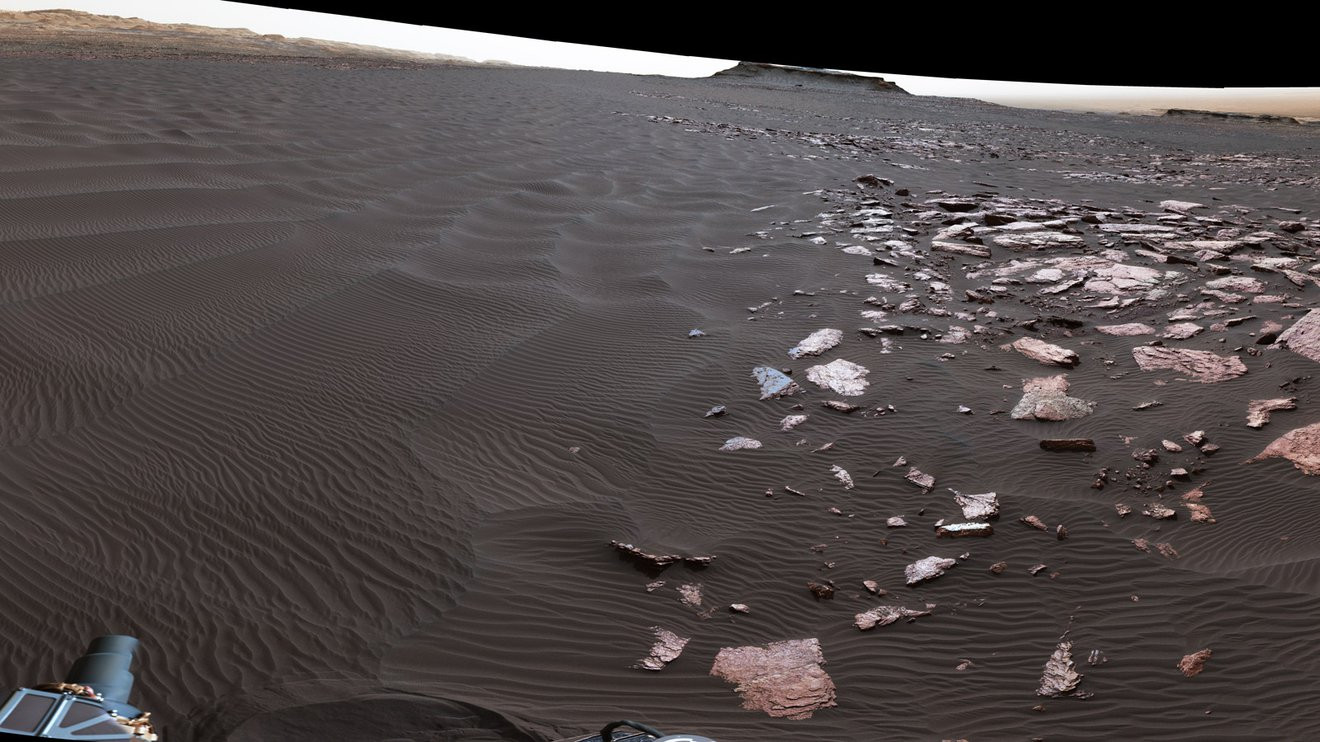
This continues findings from 2015 when Curiosity first highlighted the unique nature of Martian dunes, indicating that Mars’ surface erosion and sediment transport operate under conditions unlike those on Earth, shaped by its unique atmosphere and environment.
Challenges and Progress on Mars
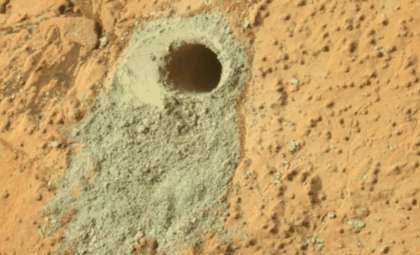
Although the rover faces challenges such as degraded wheels and a malfunctioning drill, Curiosity has traversed over 16 kilometers since its 2012 touchdown, carefully navigating to avoid difficult terrain. From its initial landing at Bradbury Landing to key field sites around Mount Sharp, the rover has continued delivering valuable insights. One notable study site, Ireson Hill, yielded examination of distinctive rocks like “Quimby” and “Quoddy” to unravel the planet’s history of surface composition and sedimentation.
Currently positioned on Vera Rubin Ridge, Curiosity is concentrating on measuring oxidation patterns in nearby rocks. Scientists aim to uncover whether different oxidation states developed historically, offering possible energy sources for ancient microbes. Additionally, they’re exploring if water at higher elevations was more acidic, which could profoundly adjust our conception of Mars’ environmental history.
- Categories:
- Space


0 comments
Sign in to Comment