
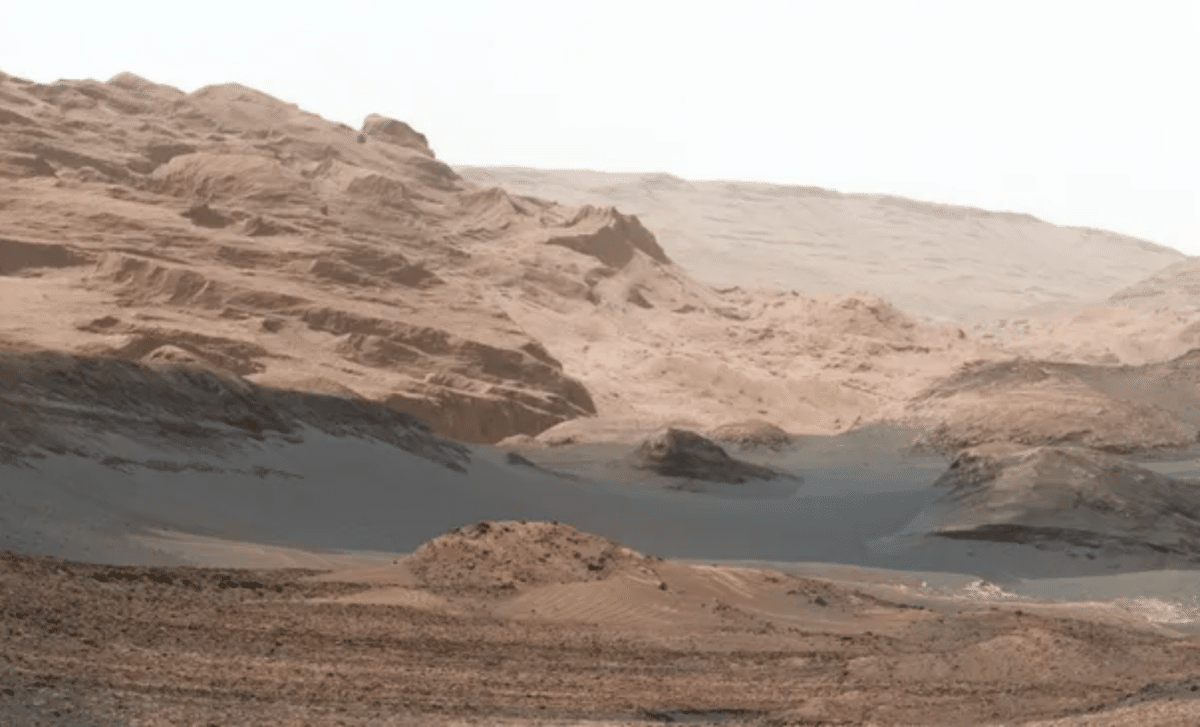
New research published in Frontiers in Astronomy and Space Sciences reveals that a distant gypsum quarry in Algeria might be pivotal in uncovering signs of ancient life on Mars. The study, led by Youcef Sellam, focuses on how gypsum, a sulfate mineral present on both planets, can preserve traces of microbial organisms. Using a laser-based mass spectrometer, the team demonstrated that biosignatures encased in gypsum can be detected with instruments compact enough for Martian exploration. This approach could transform the methodology for detecting fossilized life on the Red Planet.
Algerian Rocks Reflect Martian Past
The Sidi Boutbal quarry in Algeria, once covered by the Mediterranean Sea, shares striking geological similarities with ancient Martian lakebeds. This gypsum-rich area, formed over five million years ago as seawater evaporated, became the focal point for a detailed astrobiological study. Sellam noted, “These formations offer a valuable terrestrial model for Martian sulfate layers.” Gypsum plays a crucial role due to its ability to encapsulate and preserve microbial structures, making it an ideal medium for fossil preservation.
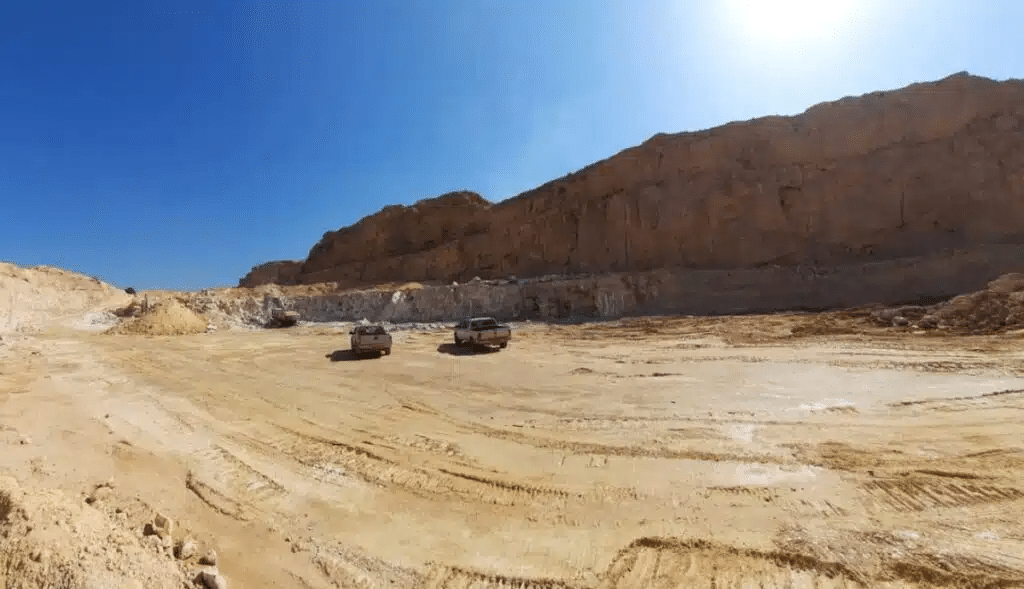
The researchers discovered microscopic fossilized filaments within gypsum, accompanied by dolomite, pyrite, and clay minerals—minerals often linked to biological activity. Sellam explained, “Gypsum, widely detected on Mars, rapidly forms and traps microorganisms before their decomposition, preserving their biological structures and chemical traces.” These results underscore the importance of mineral associations in the search for ancient life, as similar geological contexts on Mars might hint at past microbial ecosystems.

Advancing Detection with a Compact Laser Device
The team utilized a laser ablation ionization mass spectrometer, a portable and robust instrument tailored for space missions. This device vaporizes small surface samples with a laser, producing plasma that is analyzed to determine molecular compositions. This technique is effective for identifying biosignatures, the chemical remnants left by living organisms.
Sellam highlighted the tool’s potential: “Our spaceflight prototype laser spectrometer can detect biosignatures in sulfate minerals effectively and could be mounted on future Mars rovers or landers for real-time analysis.” Such in-situ capability might revolutionize Martian exploration, allowing targeted selection of promising samples and refining strategies to return samples to Earth.
The findings, elaborated in Frontiers in Astronomy and Space Sciences, demonstrate how combining portable technology with geological insights can enhance life-detection approaches in extraterrestrial settings. This represents a significant step forward in applying astrobiology to practical space missions.
Challenges in Confirming Life Signs on Mars
Despite promising advances, confirming authentic biosignatures on Mars remains challenging. “While our research strongly supports a biological origin for the fossil filaments within gypsum, distinguishing life signs from non-biological mineral features is difficult,” Sellam cautioned. “Using multiple, independent detection techniques will boost confidence in identifying life. Moreover, Mars’ unique environment might alter biosignature preservation over time, requiring continued investigation.”
Martian microbes, if they existed, could have characteristics vastly different from terrestrial life, complicating fossil identification. Even on Earth, verifying biological origins in ancient rocks demands extensive evidence, a task made tougher on Mars due to intense radiation, chemical erosion, and uncertainties about its historical environment.
This underlines the necessity for a multi-faceted approach involving spectroscopy, imaging, and mineralogical studies. Integrating instruments like Sellam’s laser spectrometer into future rover payloads could provide crucial verification layers, increasing reliability for life detection claims. Upcoming missions such as ESA’s Rosalind Franklin rover may benefit from adopting similar methods.
Connecting Algeria’s Geology with Martian Exploration
Sellam’s research is groundbreaking in another aspect, being "the first astrobiology investigation conducted in Algeria." The work integrates geology, planetary science, and biotechnology, reflecting the international nature of space exploration. It also shows that terrestrial analogs of Martian environments can be found in less expected places, not only extreme icy or volcanic regions but also arid, overlooked landscapes.
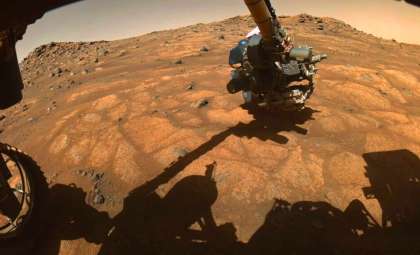
This study aligns with NASA's Perseverance rover efforts, which are currently collecting geological samples potentially containing gypsum and dolomite. Analysis of such samples may validate or challenge Earth-based analog studies like those in Algeria. With adequate instrumentation and research frameworks, humanity could soon determine whether life ever thrived on Mars or if the quest must persist.
- Categories:
- Space





0 comments
Sign in to Comment