
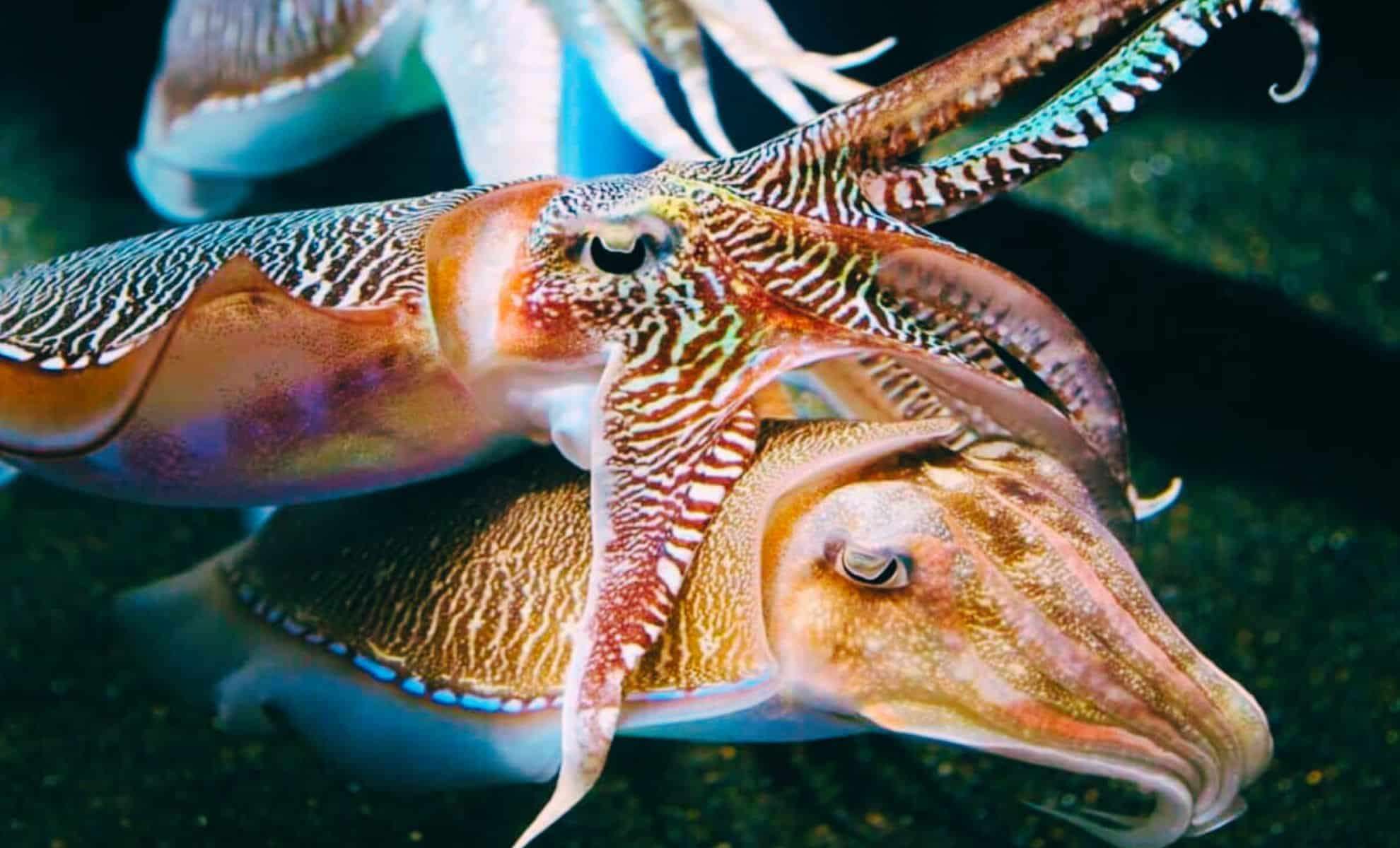
Recent research published in the Proceedings of the Royal Society B reveals that common cuttlefish demonstrate the ability to delay gratification—traditionally a measure of cognitive function observed in humans, primates, and birds. Led by behavioral ecologist Alexandra K. Schnell from the University of Cambridge, this work reshapes our understanding of intelligence across diverse life forms.
Testing Patience in an Invertebrate Predator
The framework for the experiment was borrowed from the well-known Stanford marshmallow test, an assessment originally created to evaluate self-regulation in children. In this classic test, participants choose between consuming one treat immediately or waiting a set time to receive a larger reward.
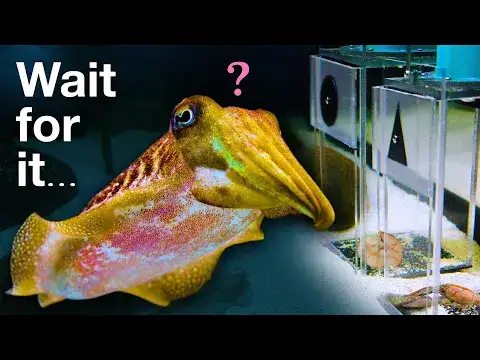
Schnell’s team applied a similar design to Sepia officinalis, the common cuttlefish. Two clear doors were presented: one granting instant access to a less favored food—raw king prawn—and the other opening later to reveal a preferred delicacy—live shrimp. Each door bore a symbol: a circle indicated immediate reward, a triangle represented delayed reward, and a square signified no reward.

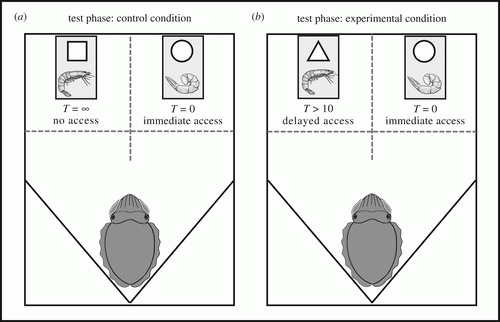
The cuttlefish learned to associate these symbols with corresponding waiting periods. Impressively, all six specimens preferred to wait up to 130 seconds to receive the more desirable meal, a behavior on par with animals possessing significantly larger, more complex brains.
Why Would a Lone Hunter Develop Self-Control?
This discovery is striking given cuttlefish’s solitary nature. Unlike social animals such as chimpanzees, crows, or parrots, cuttlefish do not form groups or share food resources. In species with social structures, impulse control often supports cooperation or social rank—features absent in cuttlefish.
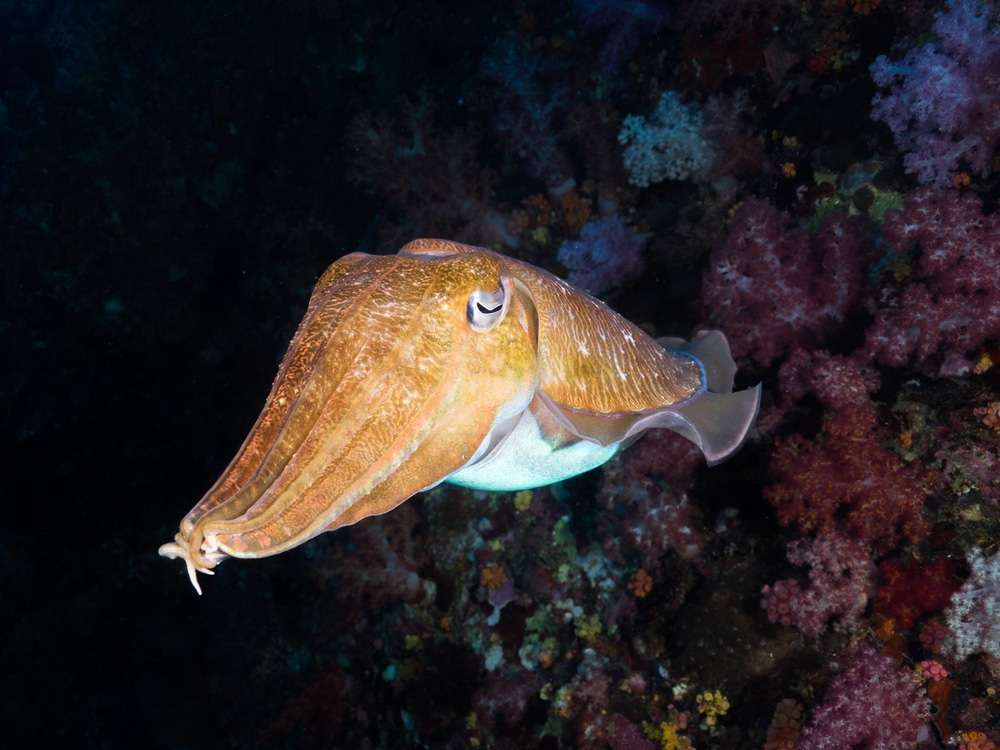
Schnell proposes their patient hunting technique may be crucial. Cuttlefish rely heavily on camouflage, remaining motionless on the ocean floor to ambush prey. Premature action can lead to missed opportunities and increased risk from predators. This need to wait for the right moment may have driven the evolution of their self-regulation abilities.
As Schnell explains: “Cuttlefish spend most of their time camouflaging, sitting and waiting… We speculate that delayed gratification may have evolved as a byproduct of this, so the cuttlefish can optimize foraging by waiting to choose better quality food.”
Expanding Our Understanding of Cephalopod Intelligence
The researchers also examined cuttlefish adaptability by switching the reward-linked symbols after initial training. Those that more rapidly adjusted their behavior also exhibited greater patience during the delay test. This link indicates an overarching cognitive trait known as behavioral flexibility, frequently associated with intelligence.
These results complement earlier findings that cuttlefish possess episodic-like memory. Intriguingly, a 2024 study hinted at their capability to form false memories, a phenomenon once believed to be exclusive to humans and select mammals.
This research highlights that complex cognitive behaviors can emerge via diverse evolutionary pathways. Despite having nervous systems vastly different from vertebrates, cuttlefish achieve similar manifestations of intelligence.
Implications for Preservation and Cognitive Science
This insight holds significance beyond academic interest. Cuttlefish face mounting threats from climate change, ocean acidification, and overexploitation. For example, the giant Australian cuttlefish (Sepia apama) has seen notable population declines.
Recognizing these animals’ sophisticated cognitive capabilities may influence conservation priorities, emphasizing protection not only for biodiversity but for the preservation of unique forms of intelligence.
- Categories:
- Science








0 comments
Sign in to Comment