
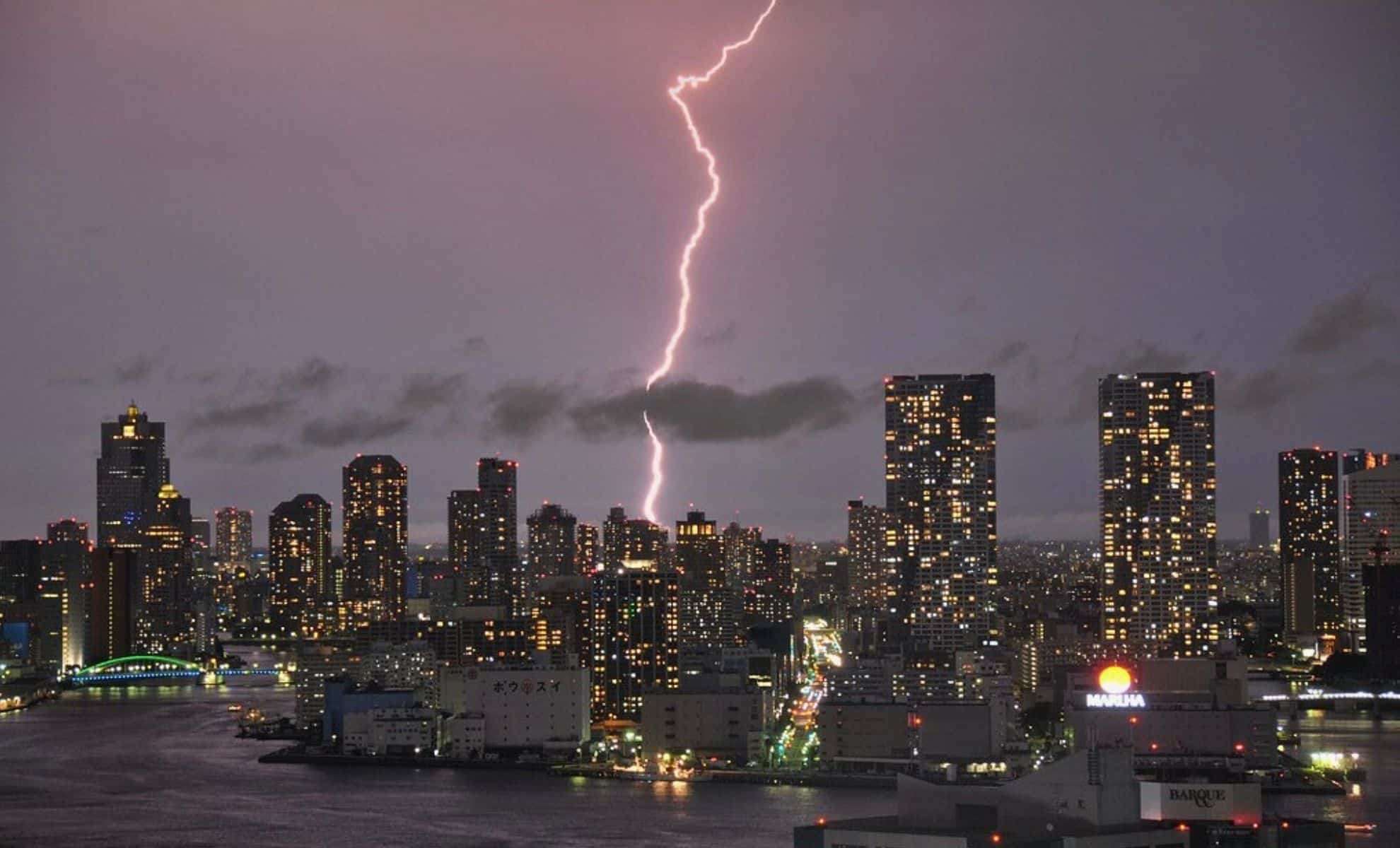
Japan's Nippon Telegraph and Telephone Corporation (NTT) has pioneered and successfully tested the first-ever drone-based system designed to initiate and steer lightning strikes with remarkable precision.
Conducting Drone Trials Beneath Storm Clouds
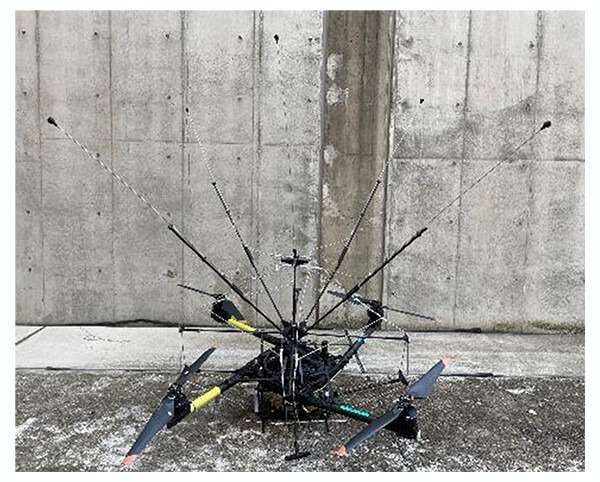
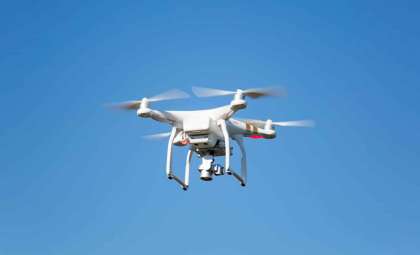
From December 2024 through January 2025, NTT carried out practical experiments near Hamada City in Japan's Shimane Prefecture. The core of the study involved flying drones equipped with specialized technology to around 300 meters altitude.
As thunderheads neared, intensifying the surrounding electric field, researchers initiated a controlled disturbance that caused a quick shift in the electrical environment, successfully triggering lightning that targeted the airborne drone.

The drone's survival during strikes was owed to its durable lightning-proof cage, offering 98 percent protection coverage and capable of withstanding currents as high as 150kA — roughly five times stronger than naturally occurring lightning.
Even after being hit, the drone maintained stable flight, showcasing the effectiveness of its protective design.
Advancing Infrastructure Defense
Lighting causes Japan significant yearly damage, with losses reaching between ¥100 and ¥200 billion (about $700 million to $1.4 billion).
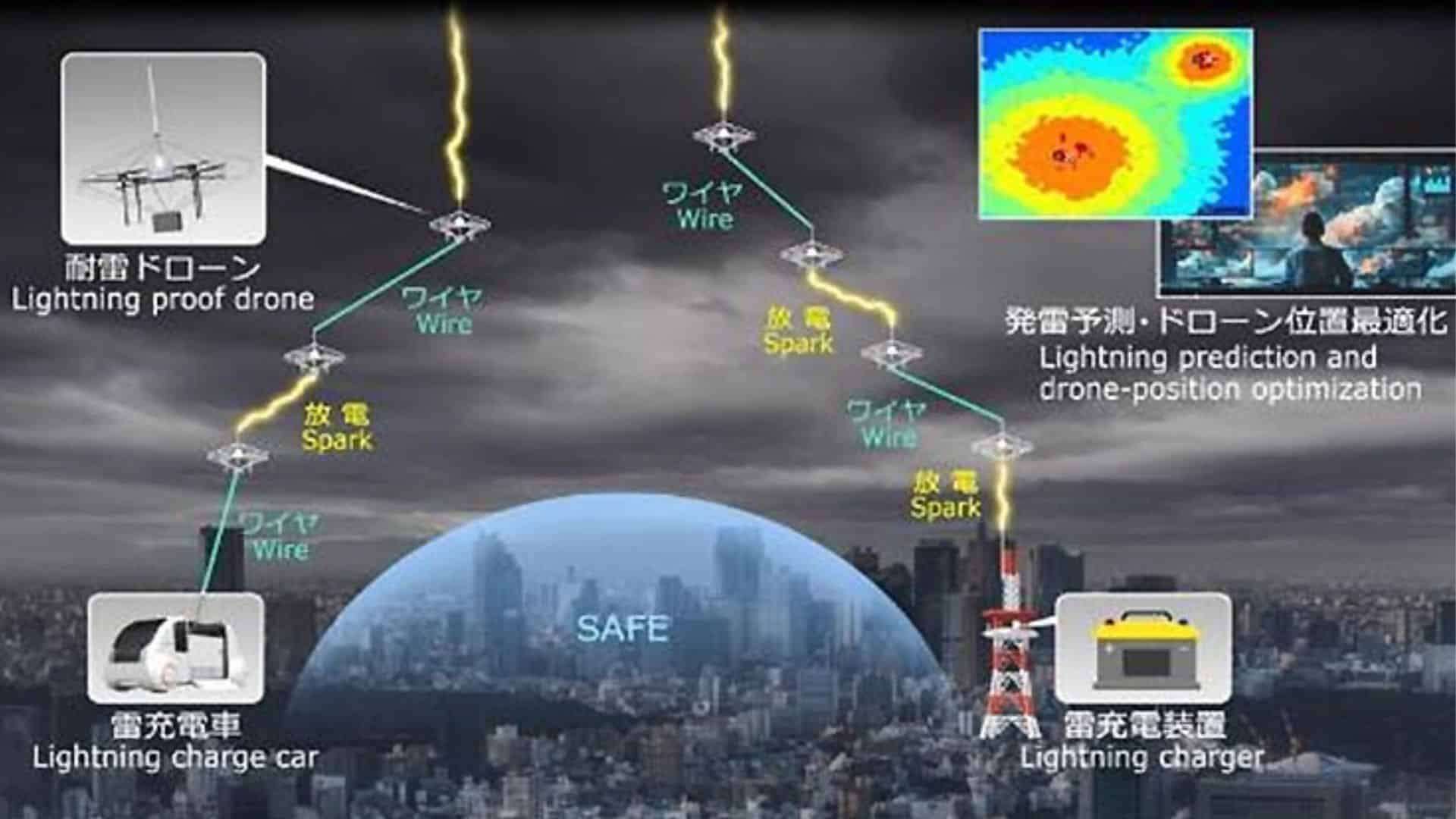
Conventional methods like fixed lightning rods often struggle to protect scattered or hard-to-reach locations such as wind farms and open-air venues. The drone system by NTT offers a mobile and precise solution, redirecting lightning away from vulnerable spots.
According to the company, the ultimate aim is to “fully prevent lightning from striking key infrastructure and urban areas,” a vision that could boost public safety and lower economic damages significantly.
Opening Doors to Lightning Energy Harvesting
NTT’s vision extends beyond protection, targeting the capture and storage of energy produced by induced lightning. They have stated ambitions to “store and harness energy from lightning strikes for practical uses,” potentially transforming this natural resource into a renewable energy source.
Working alongside Fujitsu, NTT's trials have shown that drone networks can monitor storm clouds, intentionally provoke lightning, and guide these strikes safely to designated spots.
This advancement may enhance the accuracy of forecasting lightning strike locations and deepen our understanding of the complex processes that generate lightning.
Breaking New Ground in Lightning Science
This achievement represents a monumental step forward in managing one of nature’s most intense displays. By controlling lightning with drones, researchers contribute valuable knowledge to the study of lightning creation mechanisms.
As NTT continues to develop this technology, future efforts plan to deploy drone fleets over urban centers and critical infrastructure. This approach not only aims to reduce lightning hazards but also to safely tap into the enormous power lightning offers.







0 comments
Sign in to Comment