
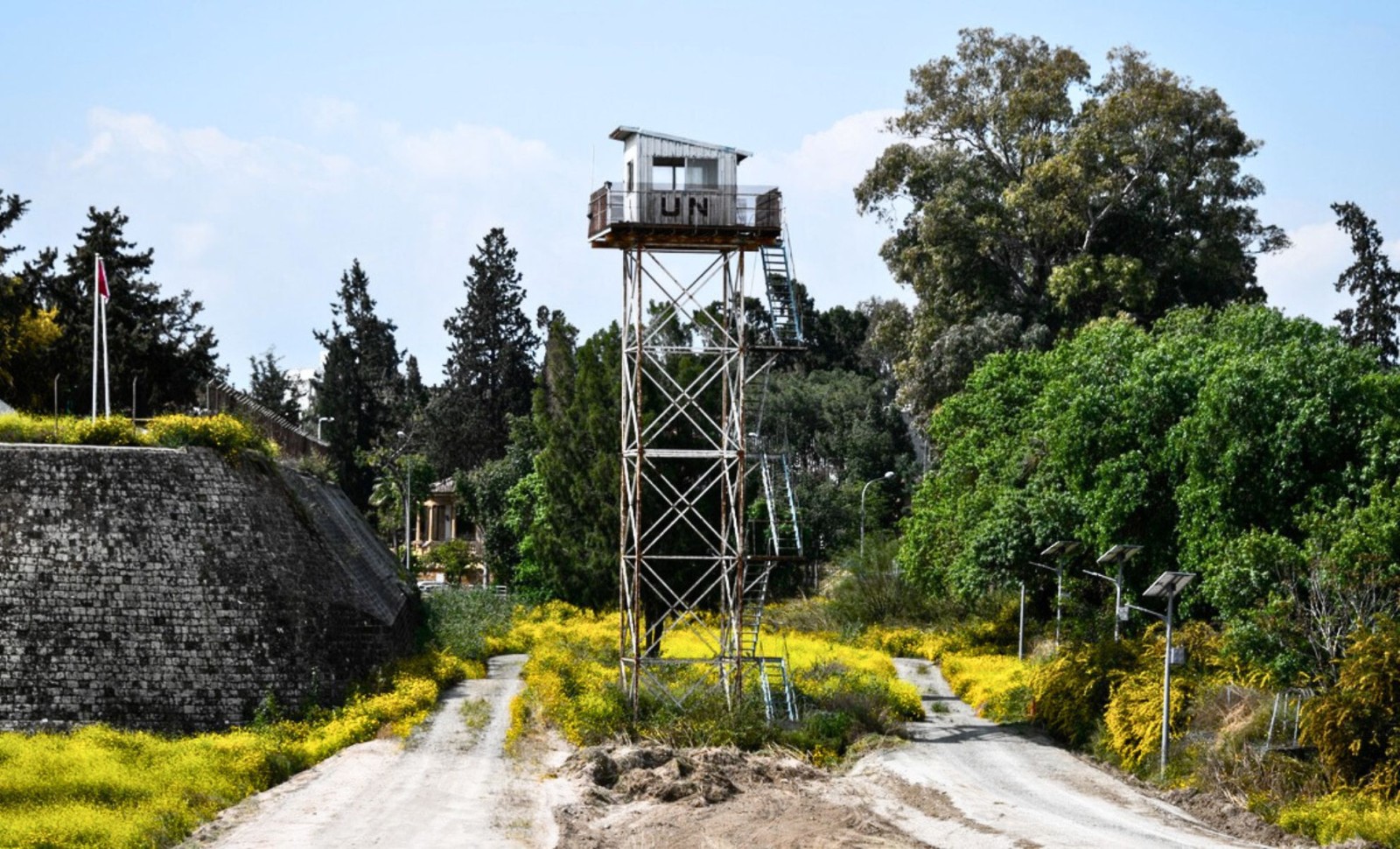
In the eastern Mediterranean, a narrow zone split through Cyprus has remained frozen in history. This 180-kilometer green line buffer zone, created amid the island's upheaval in 1974, now unexpectedly serves as a sanctuary for diverse plant and animal life.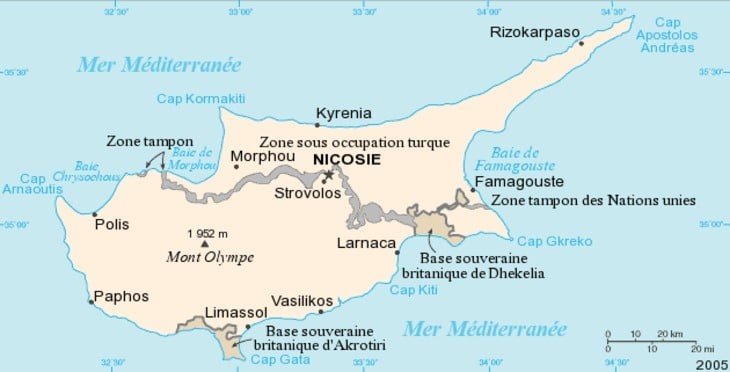
What started as a ceasefire boundary is now a flourishing habitat. Deserted villages have become overgrown with indigenous flora, while rarely seen fauna have made a comeback. Within the barbed wire and abandoned military posts, Cyprus mouflons—wild sheep bearing majestic curved horns—wander freely. Various rare bird species nest amid ruins from the conflict era. The zone meant to separate communities is ironically fostering unexpected ecological connections.
Conflict Ends, Nature Begins to Reclaim
After the Greek-backed coup of July 1974 and the subsequent Turkish military invasion, Cyprus was divided into two parts. To prevent further violence, the United Nations created a demilitarized strip separating the internationally recognized Republic of Cyprus in the south and the Turkish-controlled north.

The buffer zone—monitored by the UN Peacekeepers in Cyprus (UNFICYP)—spans approximately 3.7% of the island, and entry requires official permission. Activities like farming, construction, or scientific research are tightly regulated, and safety training to avoid landmines is compulsory. Unauthorized visitors risk immediate removal.
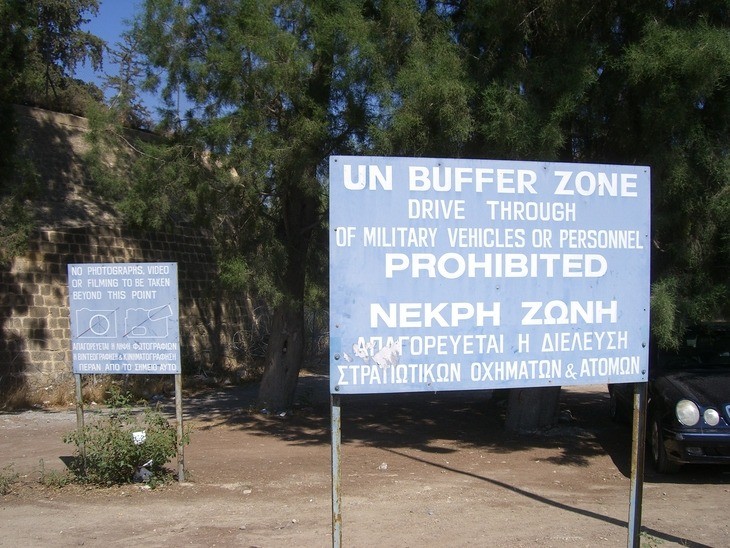
This prolonged isolation has transformed the zone into what experts call an accidental nature preserve, protected not by law but by geopolitical standstill.
Back in 2009, UNDP environmental specialist Nicolas Jarraud highlighted the exceptional role the strip plays as a wildlife route, saying: “We want to demonstrate that the green line is named so because it supports wildlife movement.”
Isolation Spurs Ecological Revival
A survey conducted in 2007 by Cypriot researchers, with support from the UN Development Programme, identified 358 plant varieties, more than 100 bird species, and 18 mammal types inhabiting the zone, many thriving better here than in surrounding developed areas.
This extensive tract of untouched land resembles other conflict-born ecological preserves, such as the Korean DMZ or zones created after the Iron Curtain’s fall. Like them, this buffer zone offers an uninterrupted habitat on an island otherwise fragmented by roads, agriculture, and urban expansion.
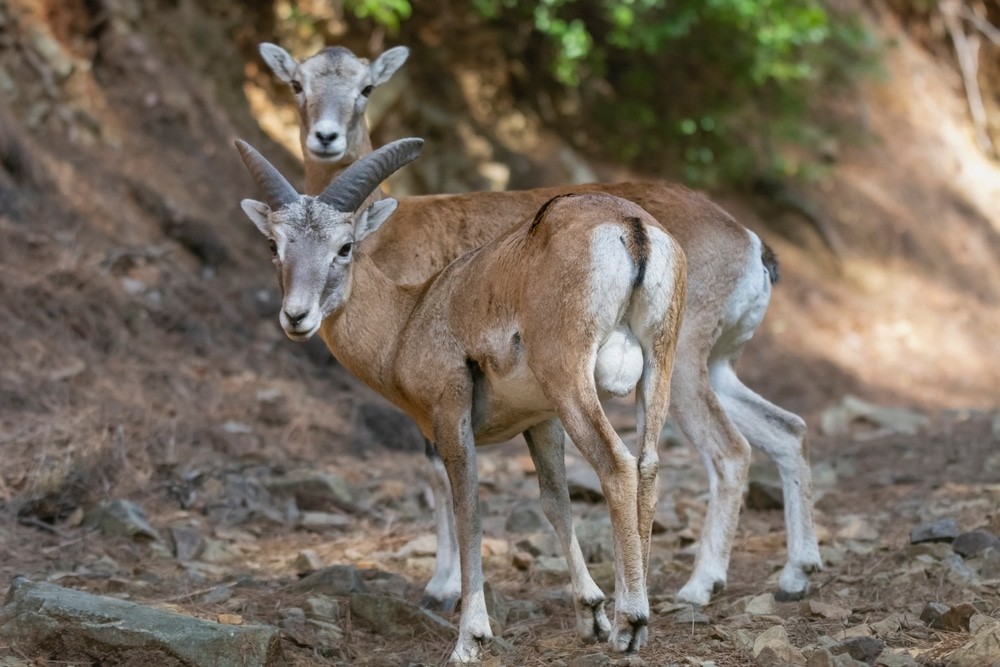
The comeback of the Cyprus mouflon stands as a clear indicator of ecological revival. In deserted villages such as Variseia, these wild sheep navigate freely through empty homes and fields without disturbance from hunting or tourism. Uninterrupted terrain has preserved critical breeding and feeding habitats nearly lost elsewhere on the island.
Ecologist Iris Charalambidou told the BBC: “What’s been crucial to nature succeeding here is the absence of habitat division caused by development.”
Conservation Amid Political Complexity
While scientists applaud the conservation gains within the zone, its political and legal status is still unclear. The Turkish Republic of Northern Cyprus, proclaimed in 1983, is only recognized by Turkey, while the Republic of Cyprus, part of the EU, claims sovereignty over the entire island but lacks control over the buffer zone.
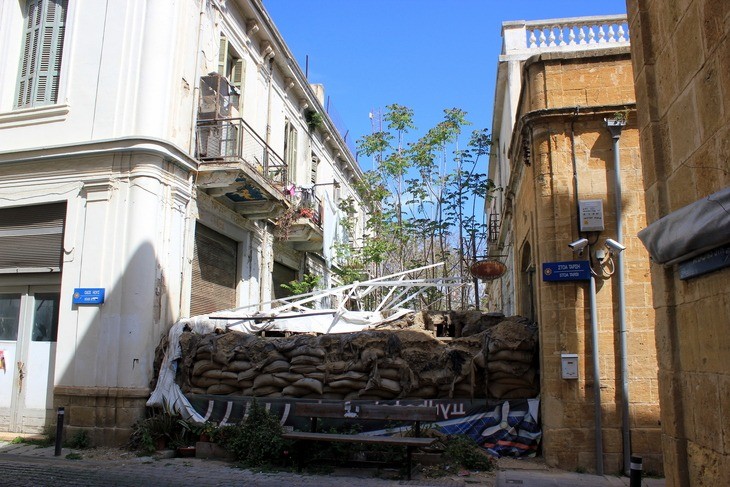
This leaves UNFICYP as the effective administrator, managing security and land use. However, the strip does not possess formal protection under international environmental statutes. Its rich ecosystems are thus reliant on the ongoing political deadlock.
In 2004, the Annan Plan for reunification was accepted by Turkish Cypriots but rejected decisively by Greek Cypriots. This outcome maintained the buffer zone's status quo. Though some crossing points now exist, the zone itself remains closed, undeveloped, and ecologically thriving.
Future of the Buffer Zone in a Changing Political Climate
If peace negotiations succeed or political control changes, development pressures on the buffer zone could return quickly, threatening to reclaim the land for housing, farming, or infrastructure projects. Conservationists warn that such actions could break up habitats and erase decades of natural regrowth.
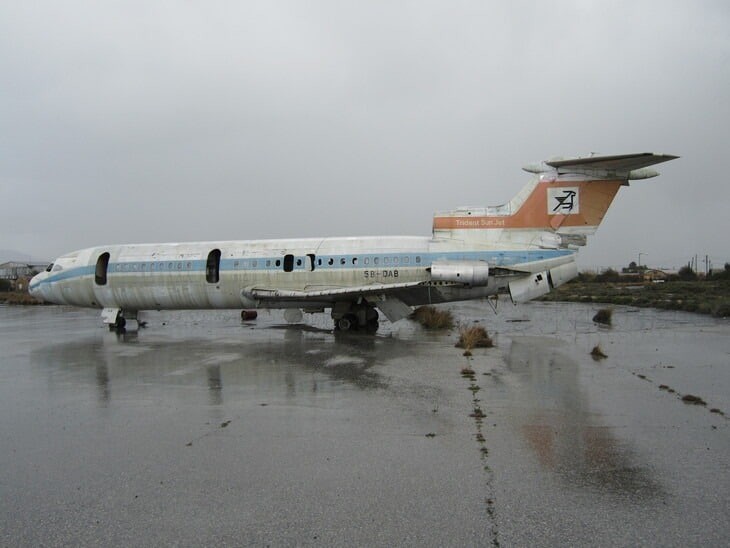
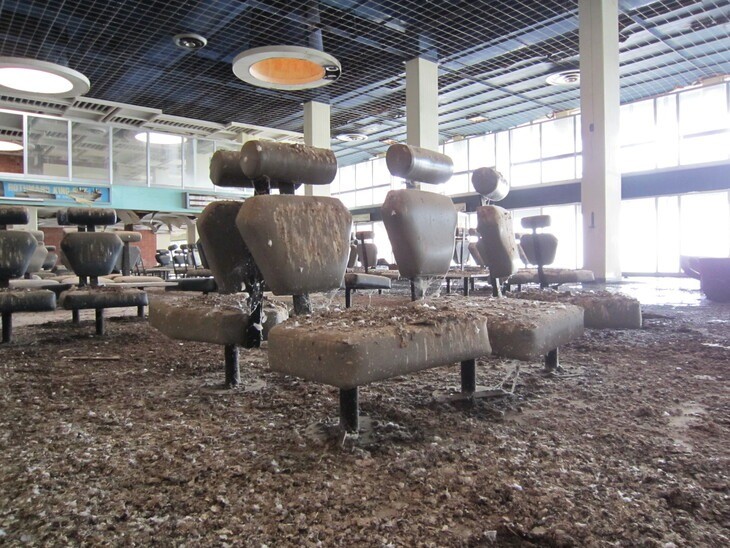
The disused Nicosia International Airport is now a rare refuge where birds nest, and ghost towns like Varosha have quietly transformed into unique ecosystems. However, these areas lack legal environmental protection, making them vulnerable if redevelopment occurs, potentially displacing thousands of species relying on these habitats.
These circumstances echo conclusions from a 2005 academic analysis which emphasized that Cyprus’s split left ecological and cultural landscapes suspended, creating fragile yet biodiverse conditions.
Meanwhile, UN regulations continue to strictly limit unauthorized activities, maintaining permit systems. Still, without enduring conservation commitments, these protections could vanish abruptly.
- Categories:
- News






0 comments
Sign in to Comment