
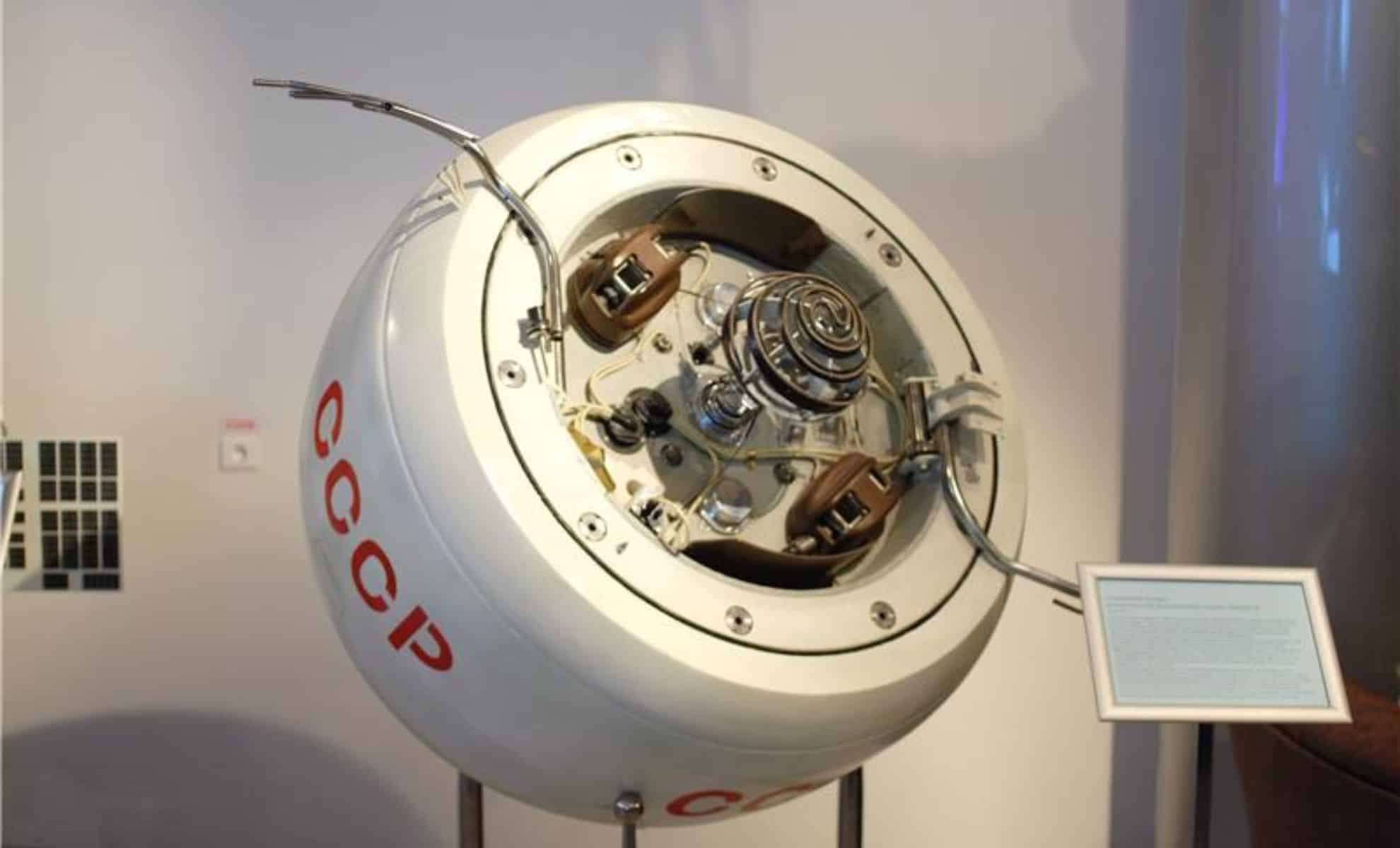
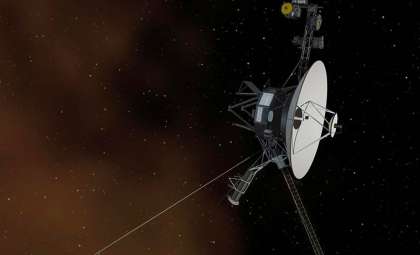
After drifting aimlessly in orbit for over five decades, the Russian spacecraft Kosmos 482, originally launched in 1972, is now believed to have finally descended back to Earth. This spacecraft, intended for a Venus mission, apparently met its end after orbiting uncontrollably for 53 years.
The European Space Agency (ESA) and other space specialists have corroborated the spacecraft’s return, although the exact location of its re-entry remains unknown. This event concludes a remarkable and unusual chapter in the history of space exploration.
Kosmos 482: A Spacecraft That Missed Its Destination
The Kosmos 482 was launched as part of the Soviet Union’s ambitious Venera program, which aimed to study Venus—a planet known for its harsh atmosphere. Designed to survive the extreme heat and pressure of Venus’ surface, the probe never reached its target due to technical issues during launch, instead becoming stranded in Earth's orbit.

Over time, various parts of the spacecraft re-entered the atmosphere, but the spacecraft’s main spherical module, approximately 1 meter in diameter and weighing close to 495 kg, remained circling Earth.
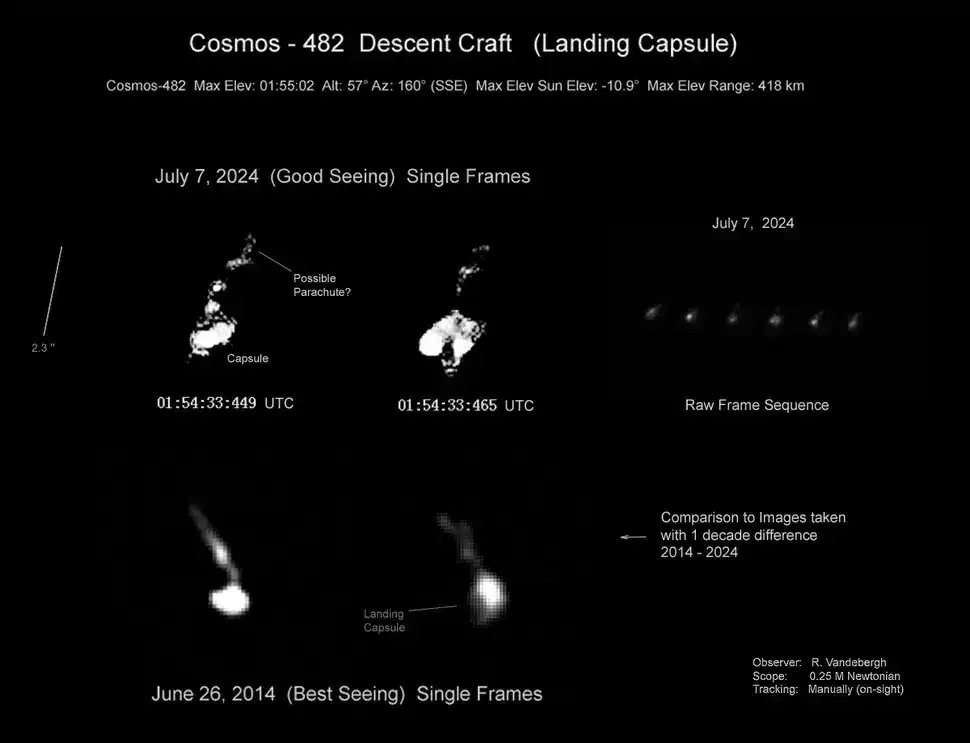
Observing Kosmos 482’s Final Descent
For more than half a century, Kosmos 482 orbited Earth while gradually losing altitude. In recent months, its fall accelerated, prompting space agencies to closely track its approach. The ESA confirmed that the probe was no longer detected by their radar installations in Germany, indicating it had most likely burned up in the atmosphere.
Although the exact timing of its re-entry was uncertain, experts predicted the spacecraft’s descent to occur early Saturday morning US Eastern Time. Predictions were complicated by solar activity and the probe’s aging, which introduced challenges in forecasting its path accurately.
Was Kosmos 482 Sturdy Enough to Survive Re-entry?
Because the spacecraft was engineered to endure the extreme environment of Venus, there was speculation that it might have partially withstood Earth's re-entry. Marcin Pilinski, a researcher at the University of Colorado Boulder, noted, “While significant portions of the probe likely didn’t burn up during re-entry, impact would probably cause severe damage.”
Risk Assessment: Could Kosmos 482 Endanger People on the Ground?
Although it is possible that parts of Kosmos 482 survived the fiery re-entry, the chances of debris striking inhabited areas are extremely low. Experts point out that a large portion of Earth's surface consists of oceans or unpopulated land, drastically reducing the likelihood of impact causing harm.
Dutch satellite tracker Marco Langbroek estimated that if any portion of the spacecraft hit the ground, it would do so at around 150 mph (242 km/h). He cautioned, “The risk posed by Kosmos 482 is comparable to the chance of being hit by a meteorite, which is far less likely than being struck by lightning in your lifetime.”
Global space debris experts have been closely observing the spacecraft’s descent, but they emphasize that the threat to human safety was minimal.
- Categories:
- News






0 comments
Sign in to Comment