
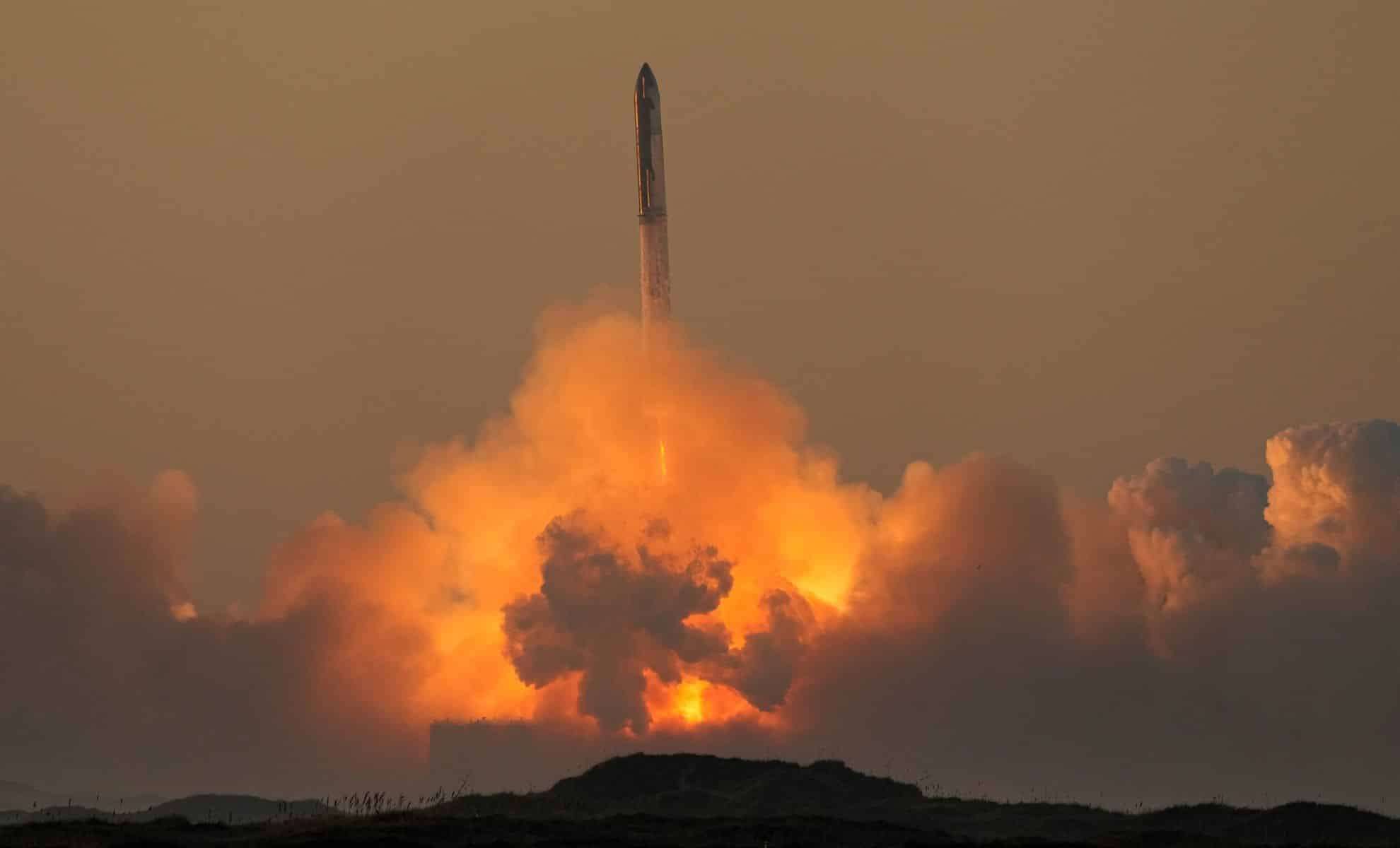
New findings reveal that the high-altitude detonation of SpaceX's Starship rocket during its November 2023 test flight briefly disrupted the ionosphere, the uppermost atmospheric layer surrounding Earth.
A paper published in Geophysical Research Letters, led by Yury Yasyukevich from the Institute of Solar-Terrestrial Physics, sheds light on the considerable effects that man-made explosions can exert on our planet’s atmospheric boundaries.
Details of the Starship Incident
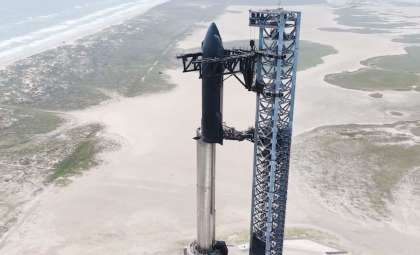
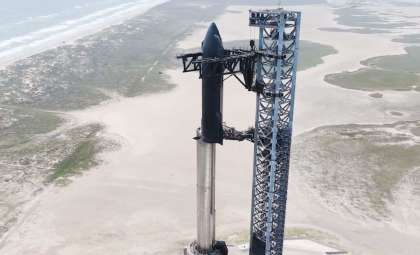
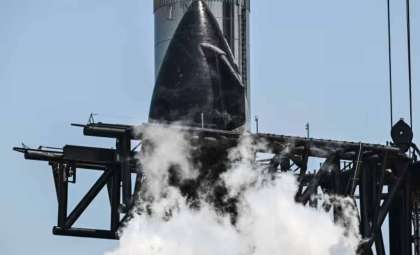
On November 18, 2023, SpaceX launched its Starship rocket from the Boca Chica site in Texas. Roughly four minutes after liftoff, the rocket’s first stage, known as the Super Heavy booster, successfully detached from the upper stage, but then unexpectedly exploded at an altitude near 56 miles (90 kilometers). Soon after, the remaining upper part of the vehicle detonated around 93 miles (150 kilometers), leading to a swift and violent breakup.

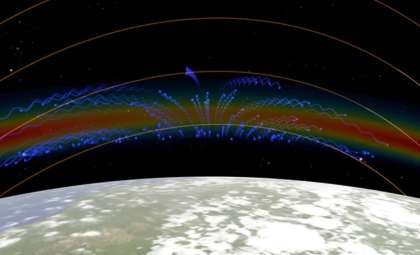
According to the research, these blasts resulted in a temporary breach in the ionosphere, which lies between 50 and 400 miles above Earth's surface. This atmospheric layer is composed of ionized gases formed by solar radiation, serving as the transition zone between Earth’s air and space.
Effects on the Ionosphere
The explosions sent intense shock waves rippling through the ionosphere at speeds exceeding sound. The study found that these waves disturbed the ionized particles, leading to a marked electron depletion and forming a neutralized region — essentially an opening in the ionosphere.
This event is extraordinary because, as Yury Yasyukevich noted, “Usually, such holes are formed as a result of chemical processes in the ionosphere due to interaction with engine fuel.” However, this instance involved acoustic shock waves from an explosion, marking the first documented case of a non-chemical ionospheric hole caused by human activity.
The ionospheric breach, spanning several thousands of miles, persisted for approximately 30 to 40 minutes before recovery. Although temporary, its vast extent and acoustic origin surprised experts. “It means we don’t understand processes which take place in the atmosphere,” Yasyukevich stated, indicating the potential for new insights into atmospheric science.
Consequences for Technology
The transient hole in the ionosphere raises questions about how rocket launches might disrupt satellite navigation and communication networks. The ionosphere plays a vital role in reflecting and transmitting radio signals used by GPS and other navigation tools. Disturbances here could impair the accuracy and dependability of these systems.
The team analyzed data from over 2,500 ground stations across North America and the Caribbean, which monitor satellite signals. Their results indicated the shock waves impacted a wide region stretching from Mexico’s Yucatán Peninsula to the southeastern United States. This highlights how far-reaching the effects from such detonations can be.
Yasyukevich emphasized that understanding these ionospheric disturbances is essential, especially for future technologies like autonomous vehicles that depend heavily on precise satellite navigation. Additional research is needed to explore how such events might influence atmospheric stability and technological infrastructure over time.
Wider Significance and Future Outlook
While this is the first acknowledged case of a non-chemical ionospheric hole triggered by human-made explosion, similar disruptions have previously occurred due to natural events like volcanic eruptions. Still, the sheer scale of the hole produced by the Starship blast was unexpected, offering a unique chance to study ionospheric disturbances of this nature and magnitude.
These insights hold importance for upcoming space missions. As companies such as SpaceX pursue more powerful rockets for cosmic exploration, it becomes critical to evaluate how launches affect Earth’s atmospheric layers. Gaining a better understanding of interactions between rocket exhaust and the ionosphere will be vital given that launch frequencies are set to increase.
The authors stress that although the hole formed by the Starship explosion was temporary, the incident underlines the necessity for continued investigation into how human activities influence Earth's atmospheric equilibrium.
- Categories:
- News ,
- Space ,
- Climate change







0 comments
Sign in to Comment