
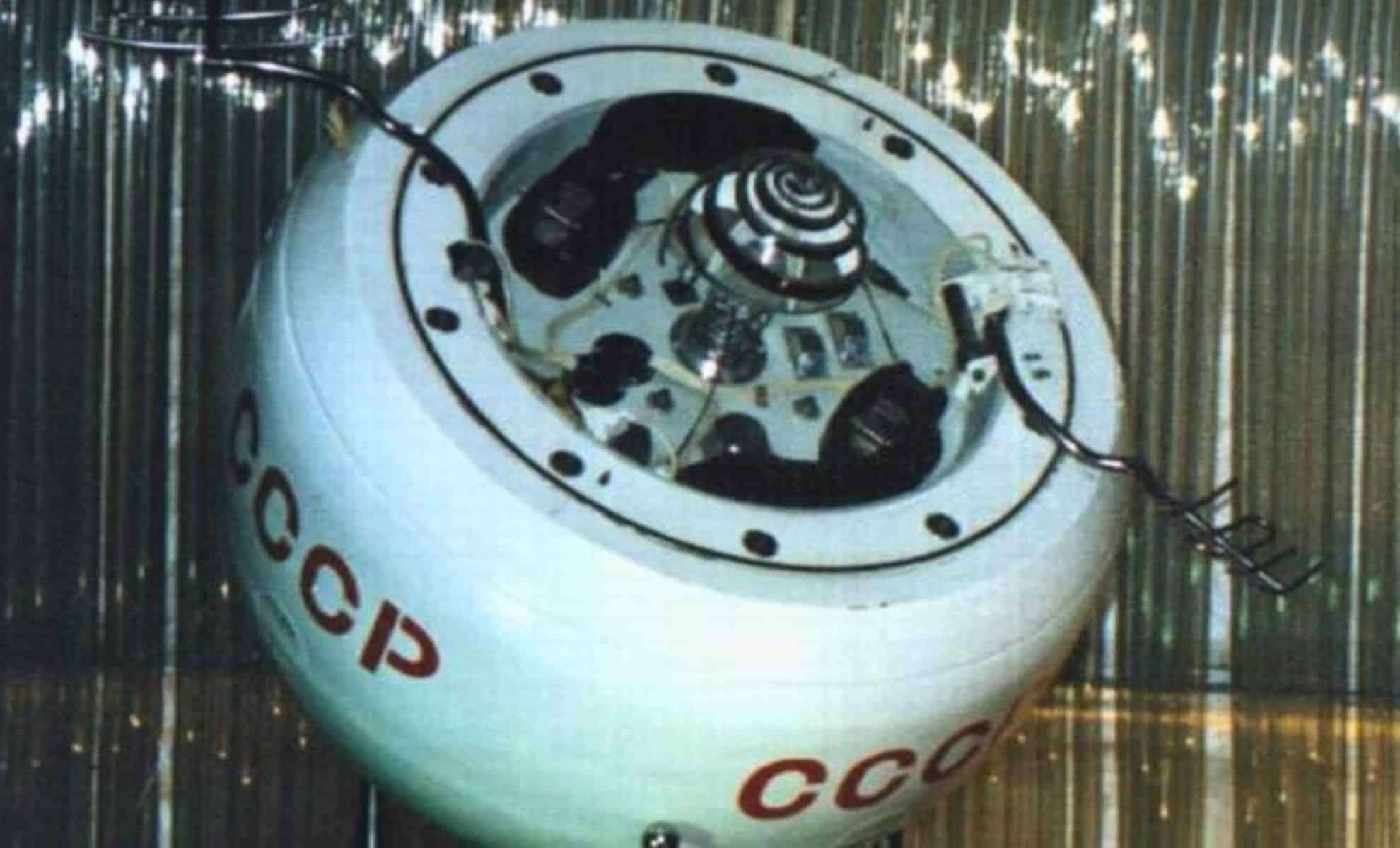
Launched amidst the intense Cold War space rivalry, the Kosmos 482 spacecraft is now on a trajectory to re-enter Earth’s atmosphere after orbiting for more than five decades. This Soviet-built probe, sent into space in 1972 with the goal of investigating Venus, failed to leave Earth's orbit due to a launch complication.
After spending 53 years circling our planet, Kosmos 482 is predicted to descend back to Earth around May 10, 2025. This event has captured the attention of space experts and the public worldwide.
Kosmos 482’s Mission: An Ambitious Venus Exploration
This spacecraft was part of the Soviet Union’s bold endeavor to study Venus, a world known for its extreme and hostile environment. The mission aimed to deploy a lander that could collect critical measurements from the planet’s surface, where temperatures reach about 470°C and atmospheric pressure exceeds Earth’s by a factor of 90.

Unfortunately, a failure in the rocket’s final stage prevented Kosmos 482 from escaping Earth's orbit. Instead of continuing its path to Venus, it became trapped in a highly elliptical orbit around Earth, where it has remained for over fifty years.
The malfunction also caused the spacecraft to break up into several parts, with the largest piece believed to be the lander module expected to make the upcoming re-entry.
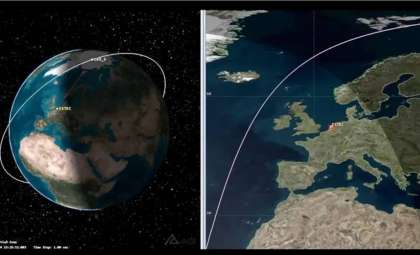
The probable re-entry zone spans between 51.7° north and south latitudes, encompassing significant regions across North America, Europe, and South America. This extensive corridor includes heavily populated areas such as the United States and southern England, according to a BBC report.
Engineered for Extreme Conditions: Could Kosmos 482 Survive?
Kosmos 482 stands out due to its exceptional construction. Unlike typical space debris, which usually disintegrate on re-entry because of intense heat, this probe was engineered to endure much higher thermal and pressure loads.
Its design includes a titanium heat shield and a sturdy spherical body to survive descent through Venus’s brutal atmosphere. These features might allow it to withstand the fiery plunge back through Earth’s atmosphere.
Scientists estimate that the roughly 1-meter diameter lander, weighing close to 500 kilograms, may not completely burn up during re-entry. However, despite its strength, experts consider the chance of it surviving fall to be low.
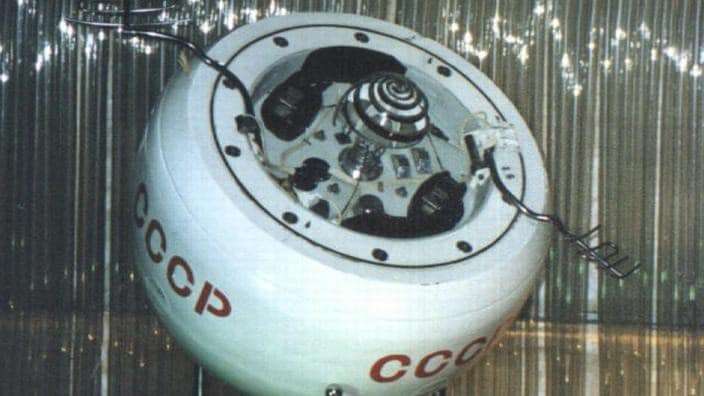
Although originally outfitted with a parachute to slow descent on Venus, this system has long degraded, meaning the spacecraft will re-enter Earth’s atmosphere without a slowing mechanism. Still, its rugged design remains central to its potential survival.
Monitoring the Return: Possible Landing Zones for Kosmos 482
Scientific teams, including those at NASA, are actively tracking Kosmos 482’s path as it approaches Earth’s atmosphere. The spacecraft’s elliptical orbit allows for a wide re-entry band, covering latitudes up to the 52nd parallel north and south, stretching from areas like London down to the southernmost parts of South America.
Even though the probe could theoretically land across this vast range, the likelihood of it causing harm is minimal. Oceans cover about 71% of Earth’s surface, and specialists such as Stijn Lemmens, Senior Space Debris Mitigation Analyst at the European Space Agency, highlight that an impact with populated regions is highly unlikely.
“It’s much more likely that you win the lottery than that you get impacted by this piece of space debris,” said Lemmens, reflecting the minimal risk to human life and property.
The Broader Issue of Space Debris
Kosmos 482’s uncontrolled return underscores the growing challenge of space debris. Each year, countless defunct satellites and rocket parts re-enter the atmosphere, with most disintegrating harmlessly. Larger objects like this one receive close observation but still pose uncertainty about where they might land.
This incident emphasizes the necessity for improved space sustainability measures. Experts advocate for future spacecraft to incorporate technologies enabling safe, controlled de-orbiting to ensure predictable and secure re-entries away from inhabited areas, reducing potential hazards and environmental impact.
Remembering Kosmos 482: A Cold War Space Artifact
Though the Kosmos 482 mission never reached its intended destination, the probe has remained a lasting presence in Earth’s orbit. As one of many Soviet-era satellites still circling decades after their missions ended, Kosmos 482 reflects the intense competition of the Cold War space exploration era.
In the Soviet space program, the designation “Kosmos” was applied to any spacecraft that stayed in orbit, regardless of mission success. Kosmos 482 stands as a symbol of the historical rivalry between the United States and the Soviet Union to conquer space.
- Categories:
- News








0 comments
Sign in to Comment