
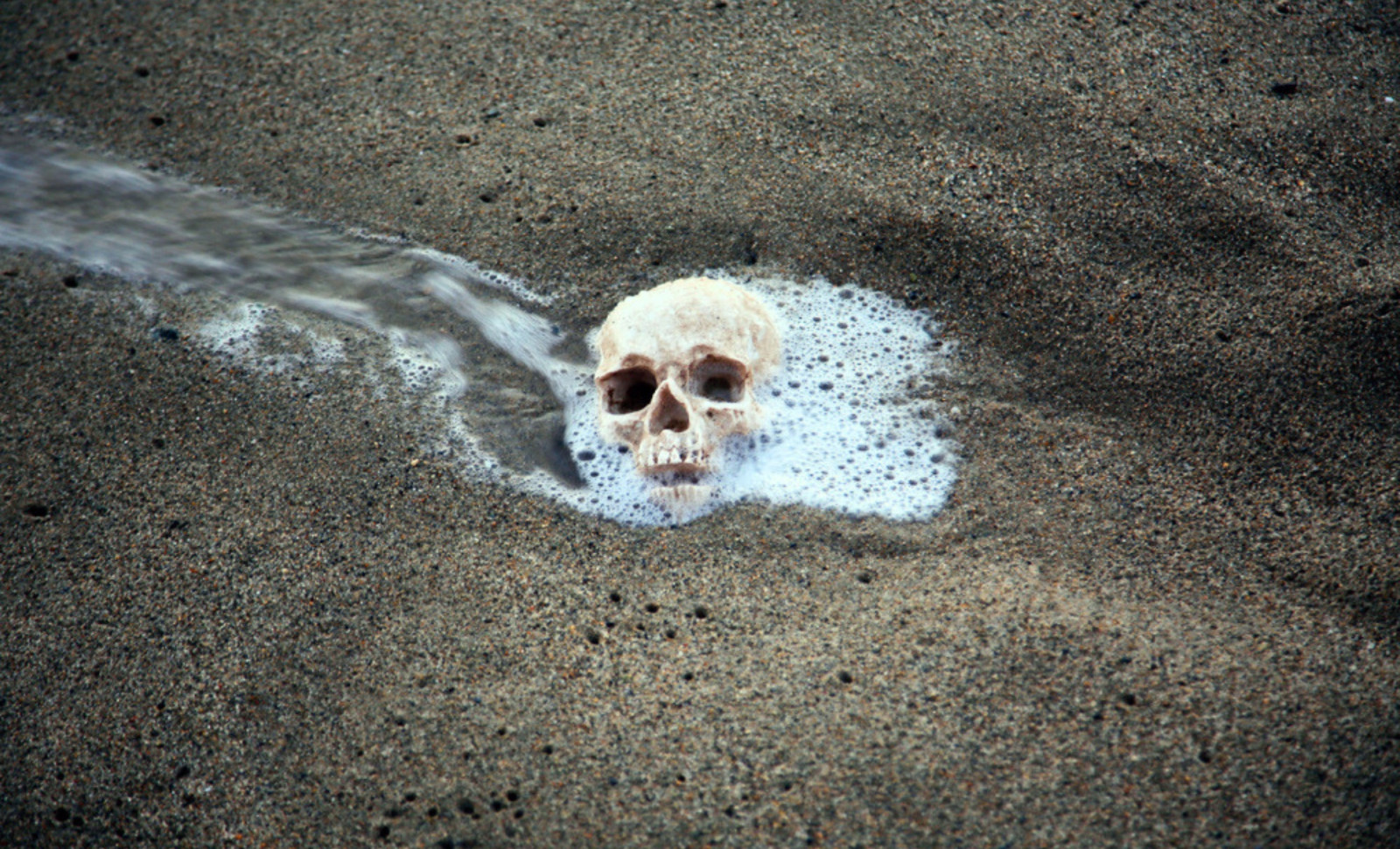
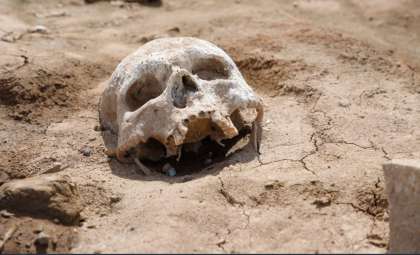
In 1995, a human skull appeared along the Atlantic coastline at Longport, New Jersey, sparking a decades-long mystery. Over the next 18 years, additional skeletal parts washed ashore across three Jersey Shore towns. These remains were collectively known as “Scattered Man John Doe.” Recently, breakthroughs in genetic genealogy have restored his identity: Captain Henry Goodsell, a 29-year-old schooner captain who perished in a storm nearly two centuries ago.
The identification, officially confirmed in April 2025 and publicized by the Ramapo College of New Jersey’s Investigative Genetic Genealogy Center in May, represents one of the most historically distant cold cases solved through advanced DNA technology. Remarkably, Goodsell spent more years nameless as skeletal remains than he did alive.
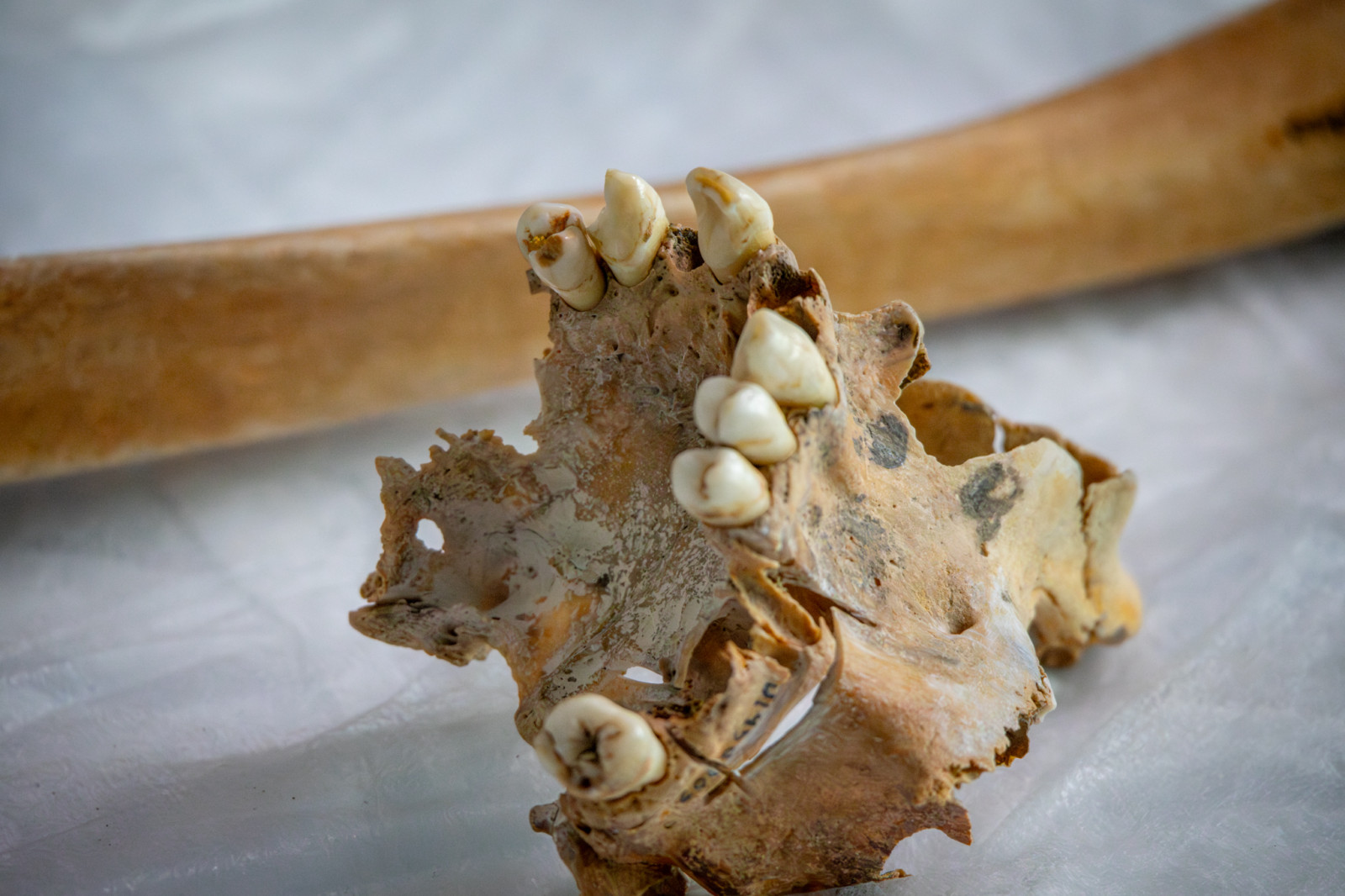
“A death certificate has been issued for Captain Goodsell, more than 180 years after his passing,” stated the IGG Center when announcing the case closure on May 21, 2025. Although living relatives were located through DNA, they chose not to claim his remains, which will remain stored in a state facility indefinitely.

Remains Discovered Along Multiple New Jersey Shorelines
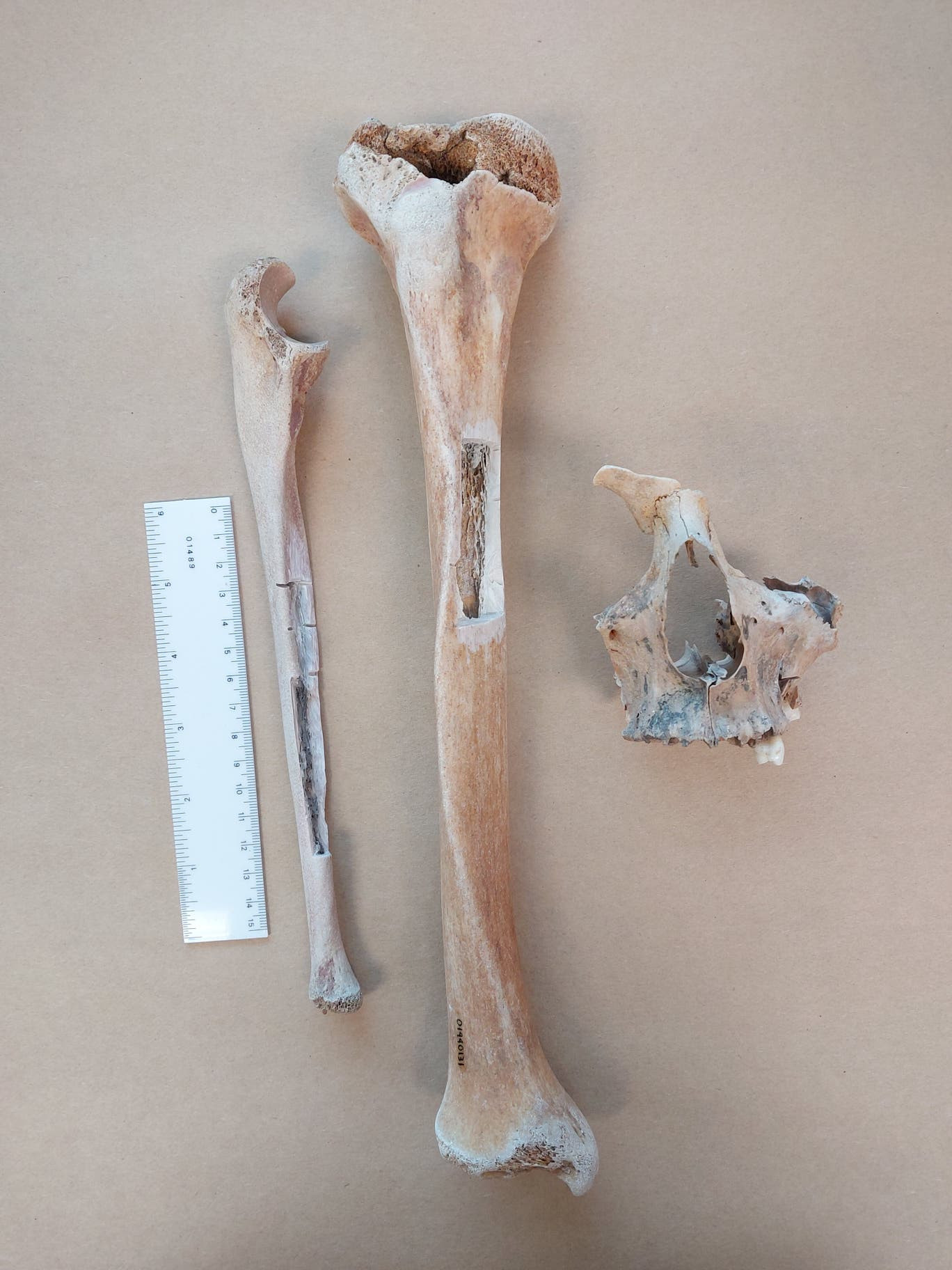
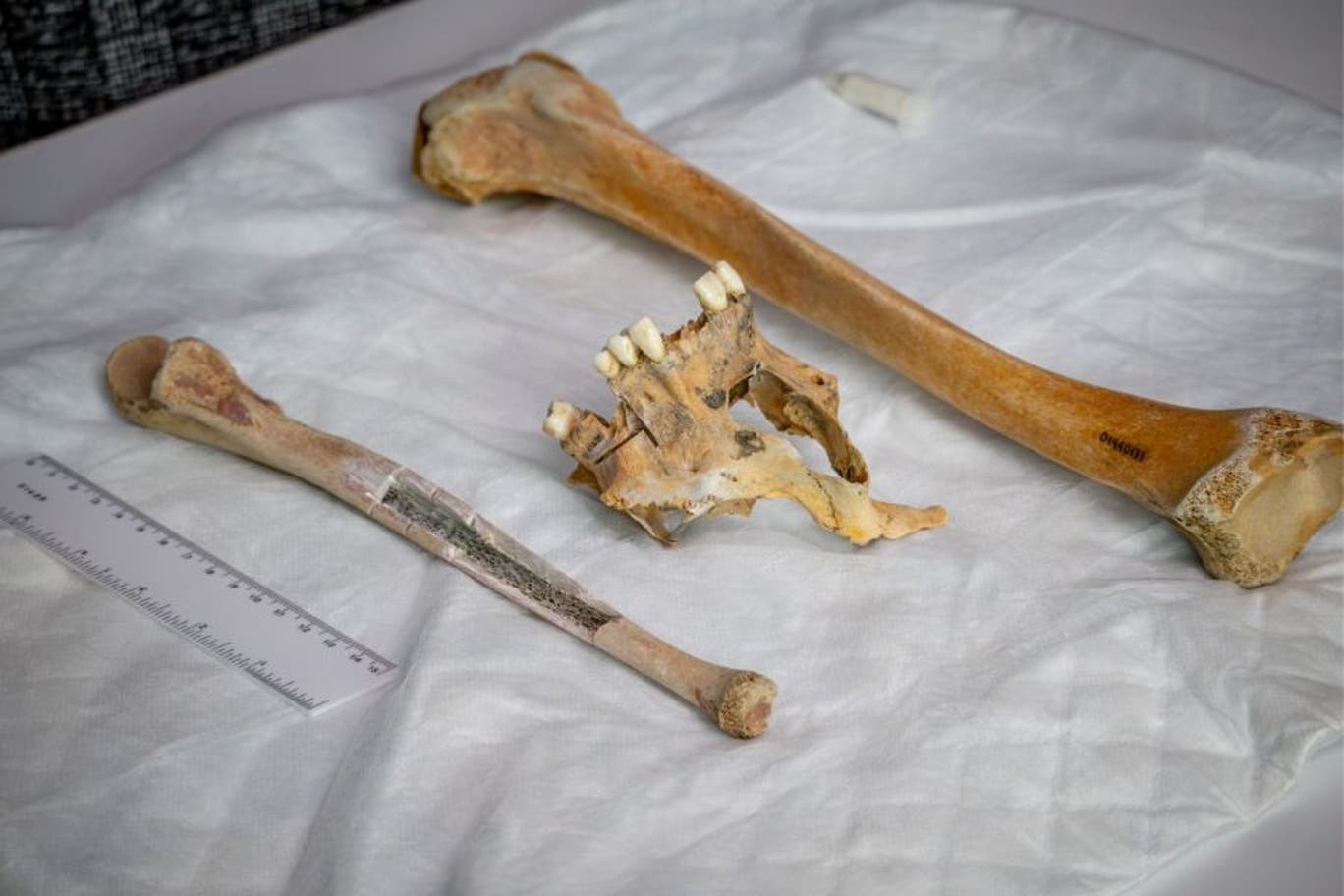
The investigation began when a skull was first found on a Longport beach in 1995. In 1999, fragments of bones connected to the same individual surfaced nearby in Margate, just under two miles away. Then, in 2013, additional skeletal pieces thought to be from the same person emerged further down the coast in Ocean City, Cape May County.
Conventional DNA testing verified all bones belonged to one individual. However, standard investigative techniques failed to identify him. Found years and miles apart, the remains had no connection to contemporary missing person records. The unidentified evidence remained in storage with no progress for many years.
"Law enforcement is committed to ensuring no case goes forgotten. We strive to bring answers to families affected," remarked Chief of County Detectives Patrick Snyder of the Atlantic County Prosecutor’s Office, as quoted in a Ramapo College statement.
Genetic Genealogy Students Trace Lineage to 17th Century Connecticut
The breakthrough came in late 2023 when the New Jersey State Police collaborated with Ramapo College’s IGG Center. In November, a DNA sample from the remains was sent to Intermountain Forensics for analysis. By February 2024, a SNP profile was uploaded to public genealogy databases, including GEDmatch and FamilyTreeDNA, providing new investigative leads.
Undergraduate students and IGG Certificate Program participants began constructing family trees, discovering genetic relatives rooted in Litchfield and Fairfield counties in Connecticut dating back to the 1600s. Although this geographic focus was enlightening, it did not immediately reveal a name.
Over 2024 and early 2025, persistent student researchers refined the investigation, aligning the Connecticut ancestral data with shipwreck records off New Jersey’s coast. Archival research produced the key link to unlocking the mystery.
The Fate of a Schooner Carrying Marble in 1844
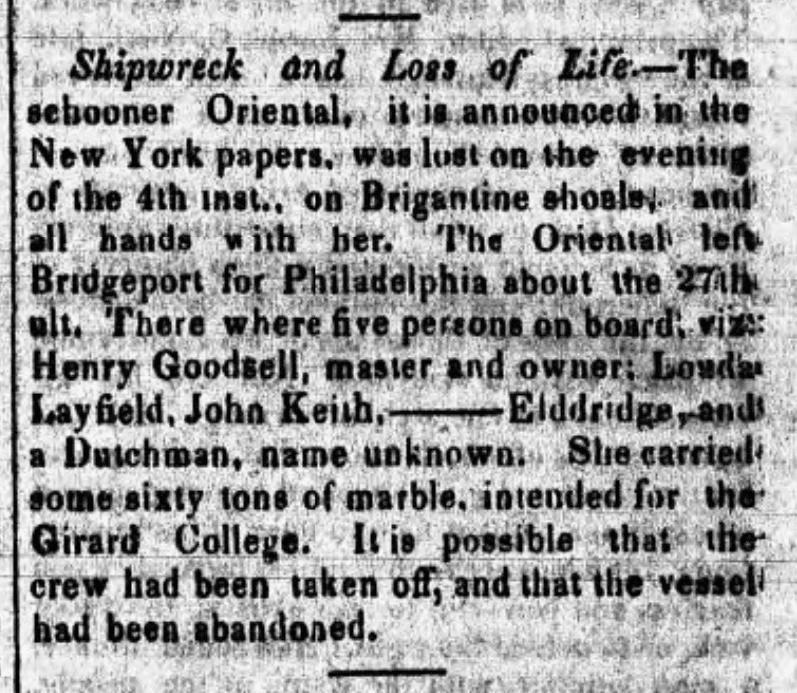
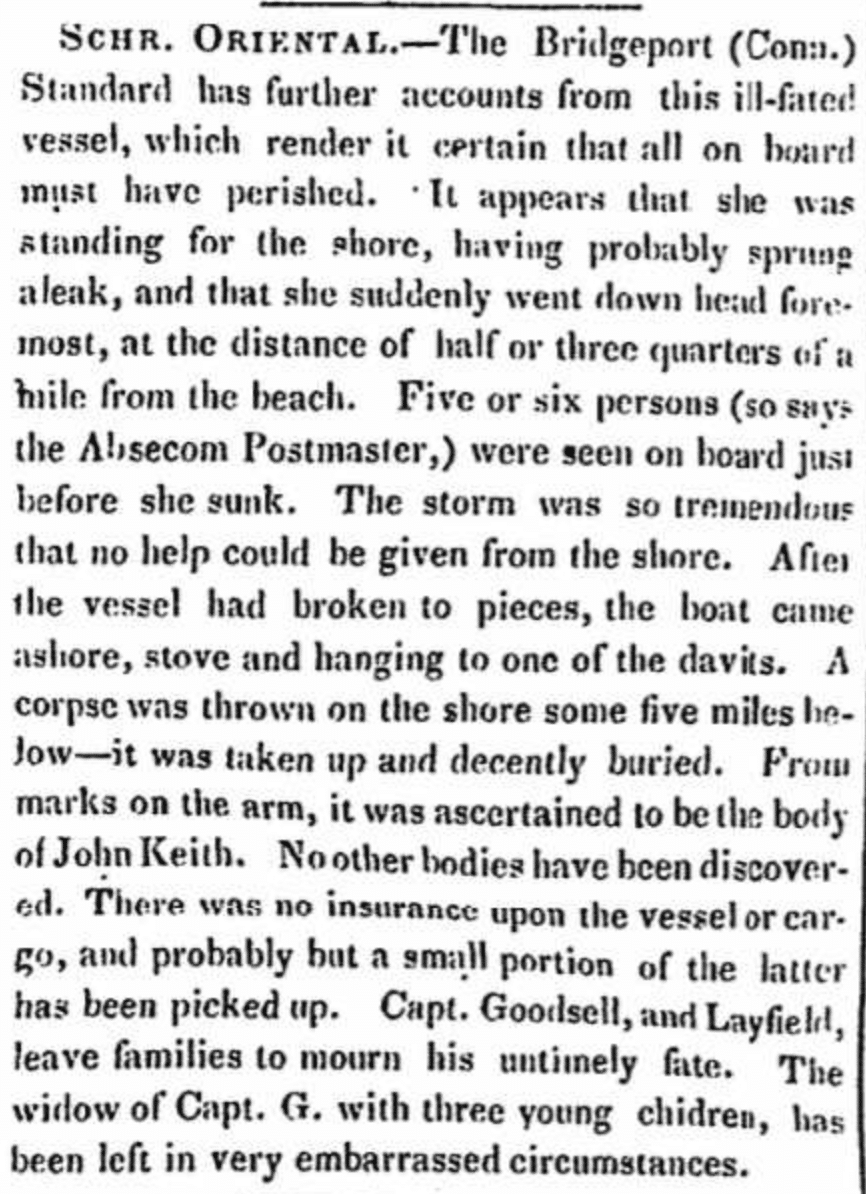
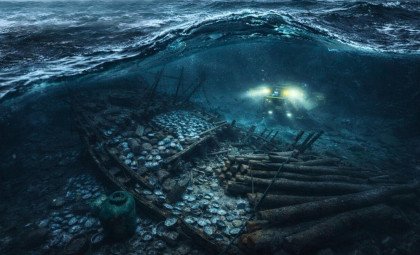
Two contemporary newspaper reports from December 1844 detailed the disappearance of the schooner Oriental. The ship had left Connecticut bound for Philadelphia, loaded with 60 tons of marble intended for Girard College, a boarding school set to open in 1848.
The vessel carried five crew members and likely sank near Brigantine Shoal due to a leak, less than a mile from shore. All aboard, including Captain Goodsell, were lost. The wreck site corresponded with the locations where the bones were recovered over nearly twenty years.
Genetic profiles matched Captain Goodsell’s descended family line. Students submitted the identification to New Jersey State Police who, on March 7, 2025, obtained a reference DNA sample from a great-great-grandchild. Confirmation came on April 8, 2025, according to The Independent.
Advancing Cold Case Resolution With Genetic Genealogy
This case exemplifies the extended reach of investigative genetic genealogy, demonstrating its value far beyond typical criminal cases. Colonel Patrick J. Callahan, superintendent of New Jersey State Police, emphasized, “Applying modern genealogical DNA methods to identify 19th-century skeletal remains reflects our dedication to solving cases, regardless of their age.”
Ramapo College’s IGG Center, uniquely combining casework with academic research and student training, has consulted on 92 cases nationwide. The extraordinary time span between Goodsell’s death and identification sets this case apart.
Cape May County Prosecutor Jeffrey Sutherland noted that while no crime was solved, the identification enriched local history. It also indicates that DNA can persist in submerged ocean remains far longer than previously recognized, opening possibilities for identifying victims of other historic maritime disasters.
The schooner Oriental never reached its destination, and its captain disappeared beneath the waves in the winter of 1844. Now, 181 years later, he has finally been named, and his case closed.
- Categories:
- News






0 comments
Sign in to Comment