
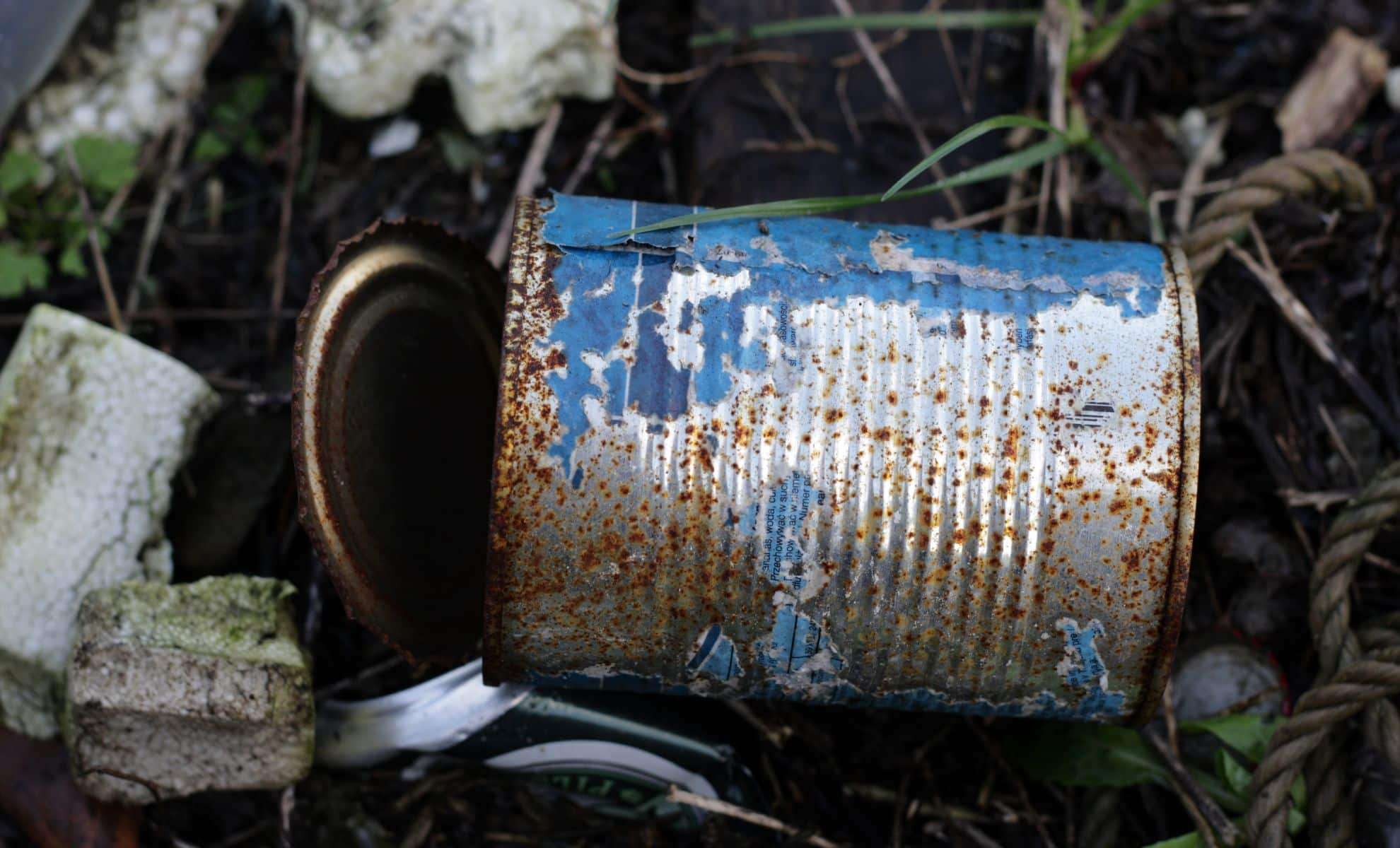
Sealed salmon cans dating back to the 1970s have unexpectedly become valuable records for tracking changes in marine ecosystems over time. Originally stored by Seattle’s Seafood Products Association for quality purposes, these vintage cans were recently given to ecologists at the University of Washington. Their analysis uncovered much more than just preserved fish, with results published in Ecology and Evolution in April 2024.
Locked in Time by Brine and Metal
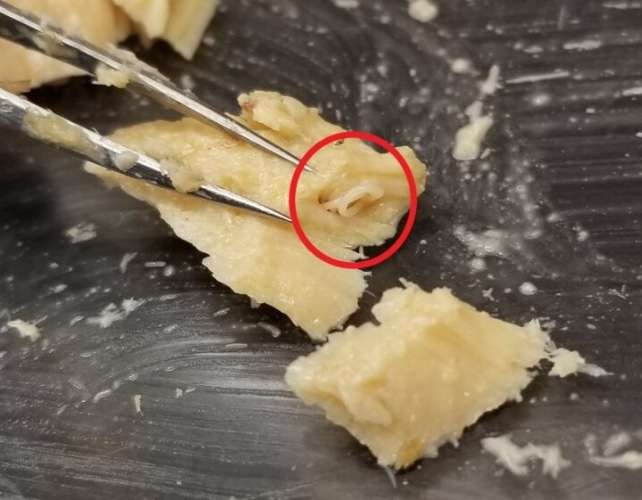
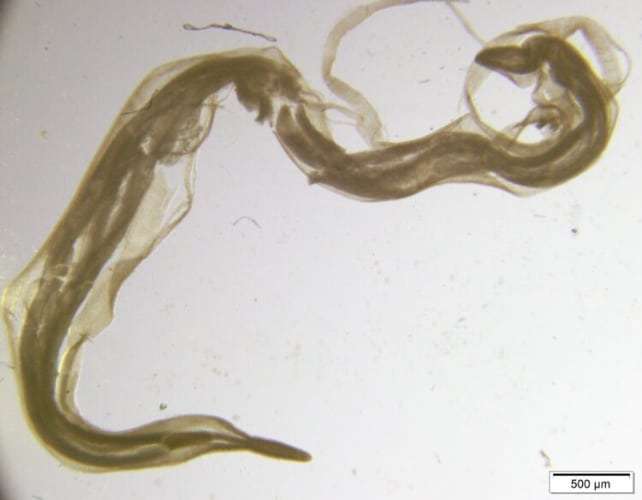
Parasite ecologist Chelsea Wood was intrigued when offered a collection of dusty canned salmon from over 40 years ago. Joining forces with researcher Natalie Mastick, they decided to explore what secrets lay inside these aged tins. Their examination revealed the presence of anisakid nematode worms, each about one centimeter long, entangled within the salmon fillets.
While the thought of parasites might be unsettling, these anisakid worms are harmless to humans after the sterilizing canning process. To the scientists, however, these preserved parasites represent invaluable glimpses into the marine food web of past decades.

“People often associate worms in fish with something going wrong,” Wood explained. “But since anisakids depend on multiple hosts to complete their lifecycle, their presence actually indicates that the fish originated from a robust ecosystem.”
The Hidden Story of Ocean Parasites
Anisakid worms have a complex marine lifecycle starting when their eggs, passed in marine mammal feces, hatch into larvae. These larvae are then consumed by small crustaceans like krill, which serve as prey for fish such as salmon. When infected fish are eaten by marine mammals, the worms mature and reproduce, completing their cycle.
Disruptions to any link in this chain, such as declines in marine mammal numbers, can hinder worm reproduction and reduce their populations. This dependency makes these parasites excellent bioindicators of ecosystem health, reflecting the interconnectedness of various species.
Researchers analyzed the contents of 178 canned salmon specimens collected from the Gulf of Alaska and Bristol Bay between 1979 and 2021, tracking parasite prevalence over 42 years.
Different Salmon, Divergent Trends
The archive included four salmon species: pink, chum, coho, and sockeye. Over the decades, pink and chum salmon showed notable increases in anisakid infestations, whereas coho and sockeye salmon exhibited relatively stable parasite levels. This suggests anisakid worms found consistent hosts among pink and chum populations.
“The rise in parasite numbers in pink and chum salmon implies an ecosystem with sufficient hosts to sustain anisakid reproduction,” said Mastick, the study’s primary author. “It could point to a recovering or stable marine environment.”
However, since the canning process degraded the worms too much to identify species with confidence, it remains uncertain if different anisakid species prefer different salmon hosts.
The researchers speculate that certain worm species may favor pink and chum salmon, while others infect coho and sockeye, but definitive conclusions await further data.
An Innovative Approach to Marine Ecology
Despite difficulties posed by aging samples, repurposing expired canned salmon as an ecological time capsule is a pioneering approach. These overlooked tins offer a cost-effective, retrospective window into long-term parasite dynamics without extensive fieldwork.
More importantly, these findings shed light on the resilience and shifts within ocean ecosystems, reinforcing the urgent need to monitor marine health today. What once sat forgotten on shelves is now a valuable archive of environmental change.
- Categories:
- News










0 comments
Sign in to Comment