
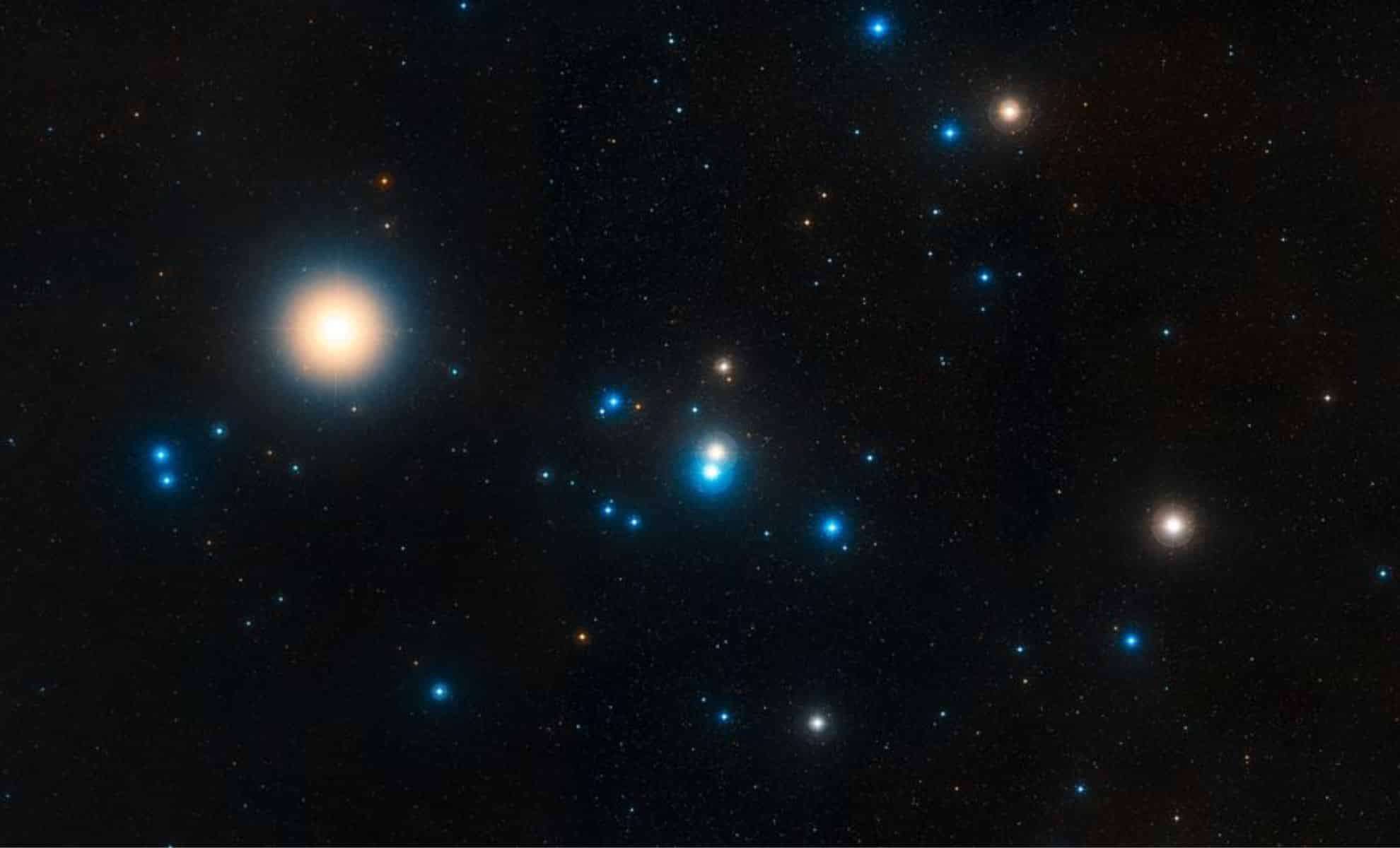
August’s balmy evenings provide excellent chances to observe some of the night sky's most captivating star clusters. According to EarthSky.org, stargazers in the Northern Hemisphere can easily discover three remarkable stellar gatherings right from their own backyards this month.
Understanding the Fascination of Star Clusters
Star clusters are groups of stars that originated together within the same interstellar cloud. Their sizes vary from a handful to hundreds of thousands of stars, gravitationally held and classified as either open clusters or globular clusters. Open clusters generally lie along the spiral arms of galaxies such as our Milky Way and tend to disperse over millions of years due to gravitational influences. Conversely, globular clusters are compact, spherical assemblies orbiting the galaxy’s halo, hosting some of the Milky Way’s oldest stellar inhabitants.
Our galaxy contains about 150 globular clusters alongside over 1,000 open clusters. Many are visible as faint, misty spots to the naked eye when observed under dark skies. By using techniques like dark adaptation and averted vision—looking just off-center—these clusters become even easier to discern. This is because the eye's rod cells, which excel in low-light conditions, allow for sharper perception of these distant star collections.

The Majesty of the Hercules Cluster in Summer
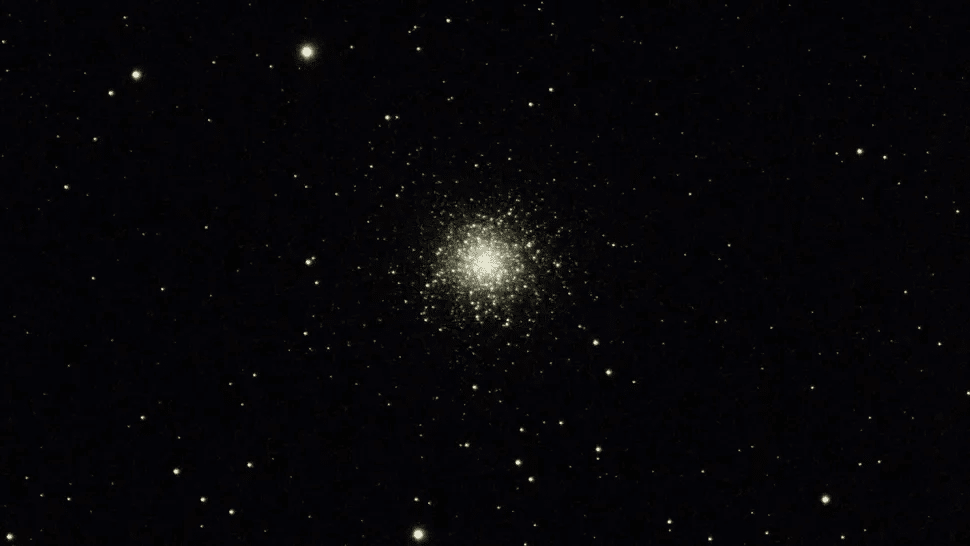
The first cluster to observe is the exquisite Great Hercules Cluster, or Messier 13. Situated roughly 25,000 light-years away within the Hercules constellation, this globular cluster ranks among the most iconic cosmic sights of the summer sky. It can be found between the bright stars Vega and Arcturus, centered around the Keystone asterism—a diamond-shaped four-star figure that defines Hercules’ core.
To spot M13, scan the area between Zeta Herculis and Eta Herculis, stars near the adjacent Bootes constellation, using binoculars or a telescope. Binoculars will reveal a faint glowing ball, but a telescope with at least 6-inch optics will unveil a dense core of over 100,000 stars, packed into a region spanning just a few dozen light-years. These ancient stars, shining for over 11 billion years, provide a living snapshot of our galaxy’s formative era.
Exploring the Closest Star Cluster: The Hyades
Next, direct your gaze toward Taurus, the bull constellation rising in the eastern sky before dawn. Just above the bright planets Venus and Jupiter, you’ll discover the Hyades Cluster, a striking open cluster that forms a tilted ‘V’ shape. This pattern outlines Taurus’ face, flanked by the horns marked by stars Elnath and Tianguan (Zeta Tauri). At only 150 light-years away, the Hyades holds the distinction as the nearest open cluster to our solar system.
The orange star Aldebaran, representing the bull’s eye, lies within this area but is actually much closer—around 65 light-years distant. This can confuse novice observers since Aldebaran is not part of the cluster itself. Observing carefully will reveal the true composition of the Hyades, a beautiful arrangement of stars best enjoyed through binoculars.
The Pleiades Cluster: The Seven Sisters Shine Bright
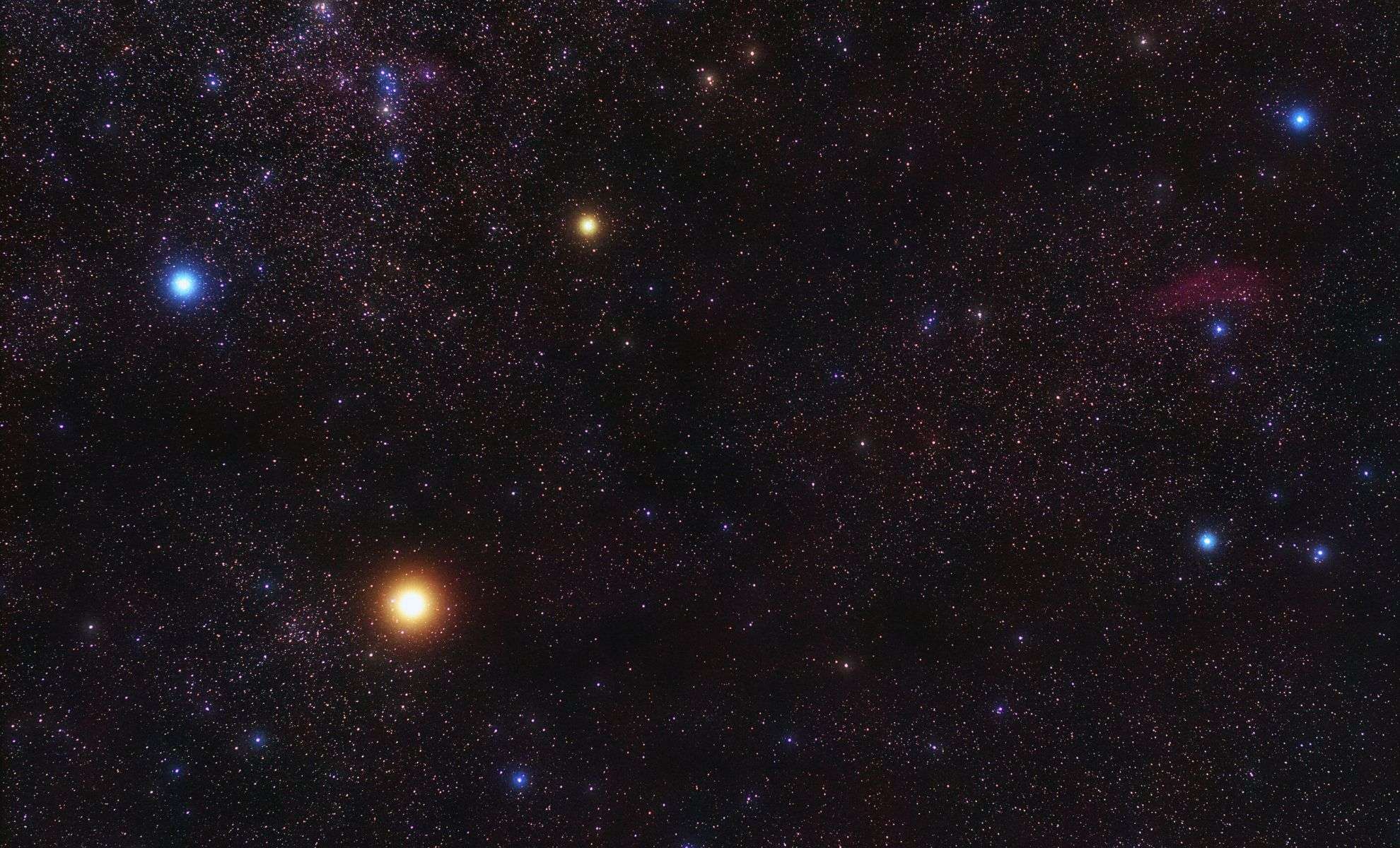
Just about 10 degrees above the Hyades in the early morning sky resides the Pleiades, one of the most famed open star clusters. Known as the Seven Sisters, this cluster includes over 1,000 young blue-white stars, although its seven most luminous stars dominate views through binoculars, sparkling like a tiny dipper of gems.
Located approximately 440 light-years from Earth, the Pleiades still glow within a faint reflection nebula—the remnants of the gas and dust cloud that gave birth to them. With an estimated age of just 100 million years, the Pleiades contrast vividly with older, reddish clusters like M13. Its position above Taurus makes it a rewarding target to observe before dawn.
- Categories:
- News






0 comments
Sign in to Comment