
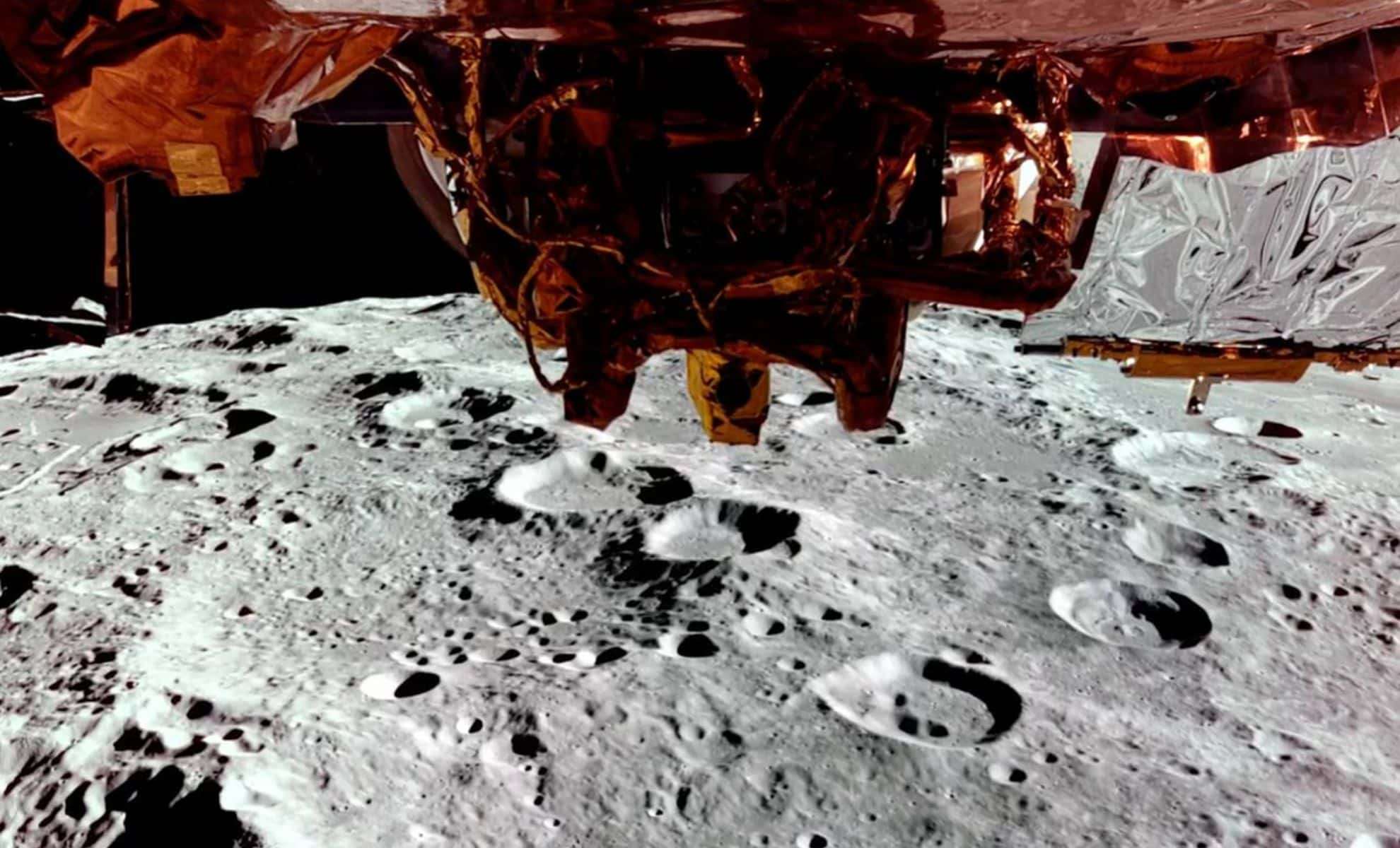
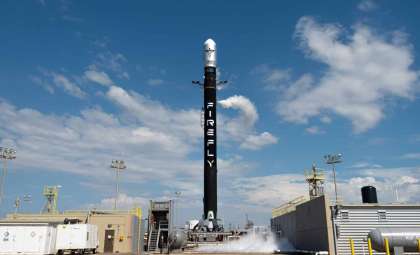
Firefly Aerospace’s Blue Ghost mission has raised the bar for commercial space ventures by delivering groundbreaking results on the lunar surface.
Touching down successfully on March 2, 2025, the lander offered vital data about lunar terrain and proved the reliability of innovative technologies intended for future moon explorations.
Flawless Autonomous Touchdown
The trip to the moon was filled with challenges, yet Firefly’s spacecraft executed a precise landing within the Mare Crisium area.
Jason Kim, Firefly Aerospace’s CEO, recalled the nerve-wracking moment: “I wish I had a heart monitor—it was pounding. Still, my trust in the team never wavered.”
The success rested on the company’s proprietary engine design and exact engineering of the lander’s weight distribution, which allowed pinpoint calculation of the spacecraft’s center of mass.
This thorough preparation enabled a smooth descent and ensured a secure landing. Kim remarked, “That balanced design was crucial for sticking the landing on the moon.”

Surprising Lunar Findings
After touchdown, Blue Ghost quickly began deploying critical scientific equipment.
A standout result involved the LISTER drill, built to explore below the moon’s surface. Instead of reaching the expected depth of 10 feet, it only drilled approximately 3 feet.
Kim stated, “We uncovered geological factors we hadn’t anticipated,” explaining the drill encountered unexpectedly dense rock formations.

Lunar Surface Heat Insights
The mission also revealed new information about lunar temperature fluctuations.
Kim emphasized that daytime temperatures on the moon were hotter than earlier predictions, pointing out, “Operating at lunar noon was unprecedented, and it’s much warmer than models suggested.”
They found that intense heat persisted longer and arrived earlier than anticipated.
This data is essential for understanding the thermal hurdles future lunar explorers will face.
Impact of Crater Reflections on Temperature
Environmental factors around the landing site brought unexpected challenges.
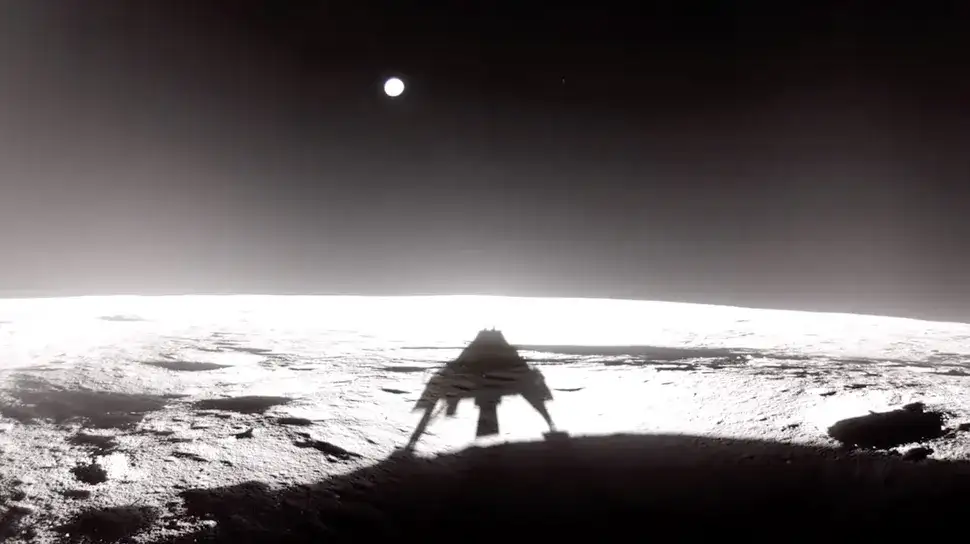
Kim mentioned, “Landing beside a large crater wasn’t expected. The sun heated us from one direction, but reflected light from the crater’s other side increased surface heating.”
This phenomenon resulted in greater heat exposure than previously modeled.
Despite this, the lander’s thermal management systems exceeded performance expectations under these conditions.
Innovative Responses to Heat Challenges
Confronted with unexpected heat, the mission team devised an ingenious method to safeguard communication devices.
Utilizing a custom gimbaled antenna as a shield for the radio equipment, they maintained steady contact during critical intervals.
This creative adaptation underscores the innovation required to succeed in the moon’s unpredictable environment.
Endurance Through Lunar Night
Operating through the lunar night provided additional valuable experience.
Kim shared, “NASA requested we activate the payloads, and we obtained data successfully; the LISTER instrument outlasted the others. That was truly impressive.”
The Blue Ghost was engineered to withstand the moon’s cold night, with its modular battery system performing beyond expectations.
Advancing Future Moon Exploration
Kim expressed confidence that the mission’s insights will fuel further advancements.
The modular architecture of Blue Ghost is planned to evolve, incorporating new features such as high-definition lunar cameras. “They are unstoppable,” Kim added with pride.
- Categories:
- News







0 comments
Sign in to Comment