
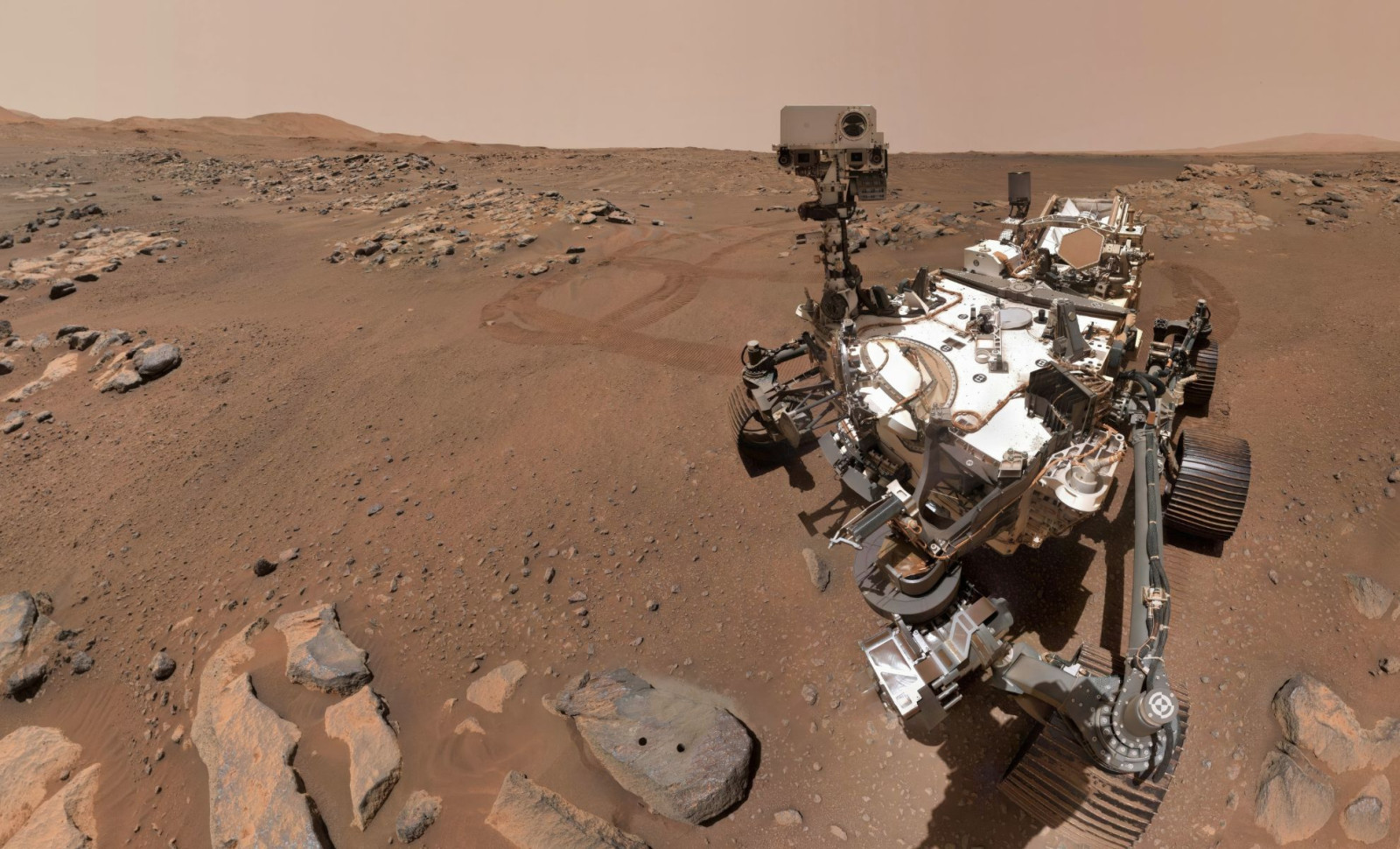
Analysis of images captured by NASA’s Mars rovers has sparked fascinating debate regarding potential life forms on Mars. William Romoser, a professor at Ohio University, claims to have identified creatures resembling insects and reptiles.
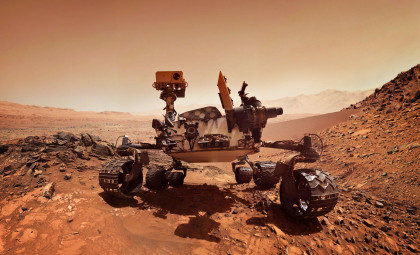
Traditionally, Mars exploration has concentrated on detecting chemical traces or microscopic fossils indicative of life. Yet Romoser’s interpretation introduces an alternative perspective: the existence of insectoid and reptilian-like entities on Mars. His detailed image assessment from the Curiosity rover reveals shapes and patterns reminiscent of Earth’s arthropods and reptiles.
Possible Insectoid Entities Observed by Mars Explorers
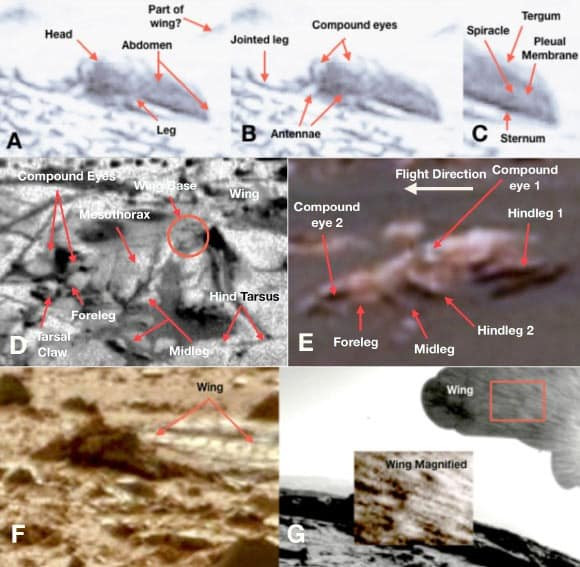
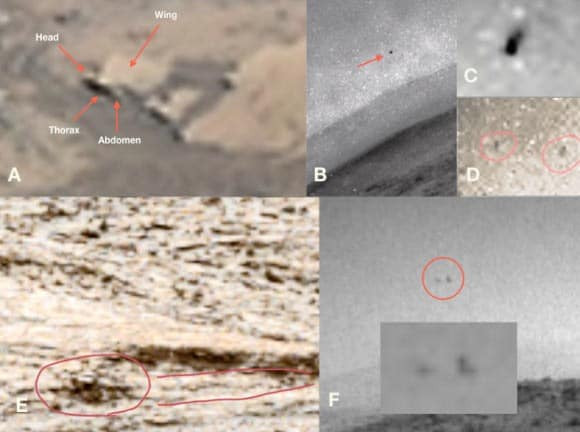
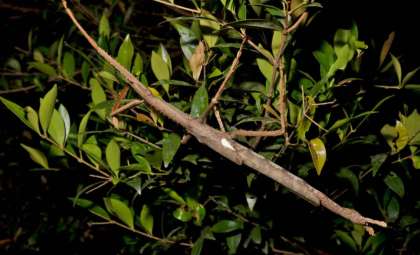
The published research focuses on photographs taken by NASA’s Curiosity rover, where Romoser identifies what appear to be insect-like beings, either in flight or resting. These forms, which Romoser refers to as“bees,” display characteristics akin to terrestrial insects, including winged segments, articulated limbs, and segmented bodies. One image showcases a specimen performing aerial movements similar to an insect’s acrobatic flight on Earth.

“The ‘bees’ appear to vary in size and type. Several characteristic insect/arthropod anatomical features were identifiable, not all on the same individual, but as a mosaic among individuals.”
Features like compound eyes and specialized legs observed in these images correspond with traits seen in arthropods. Romoser also notes that:
“The insect-like fauna observed appeared to be sheltering/nesting in caves, in burrows beneath the surface, and in specialized structures.”
Mars Rover Photos Reveal Potential Reptilian Fossils
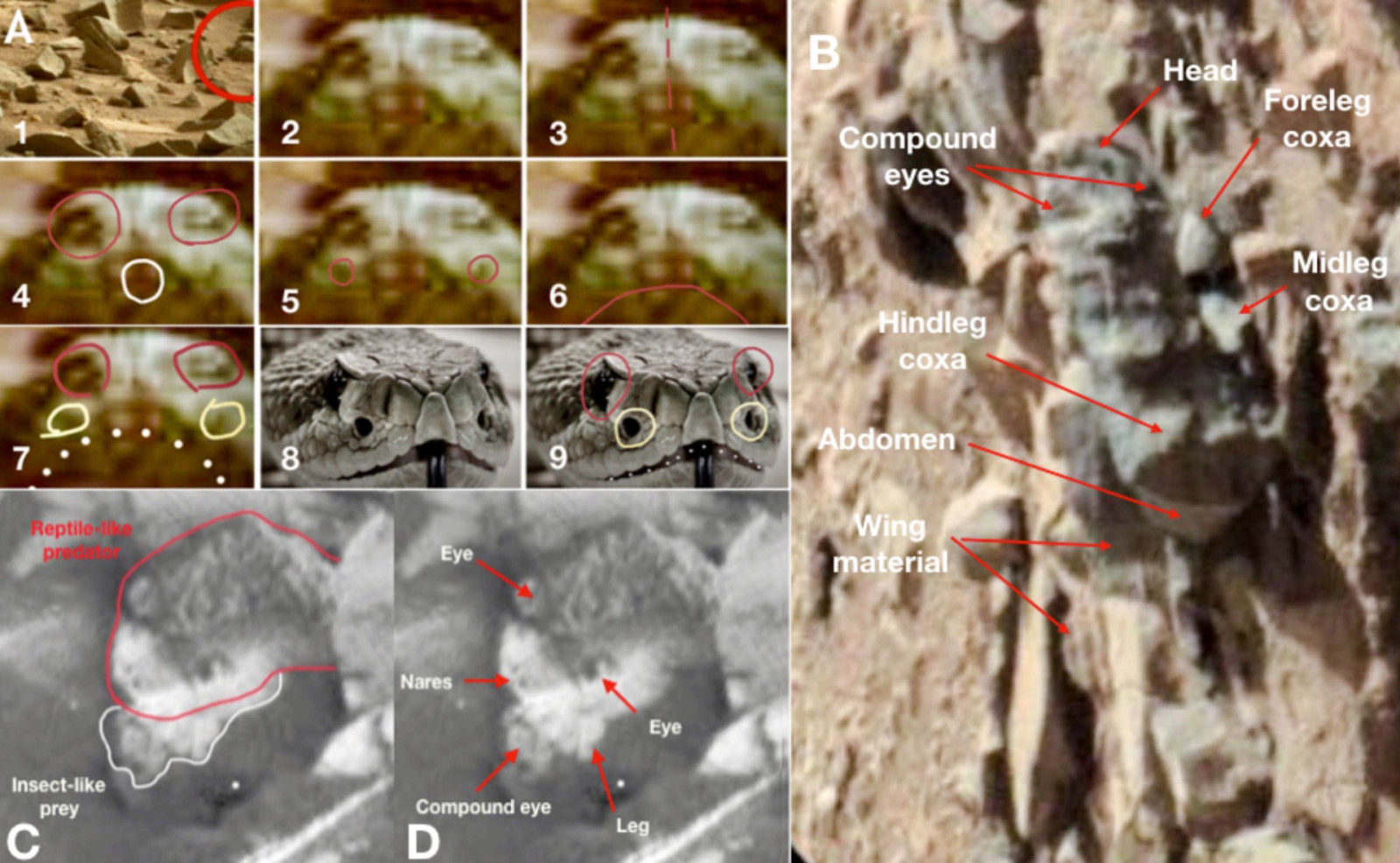
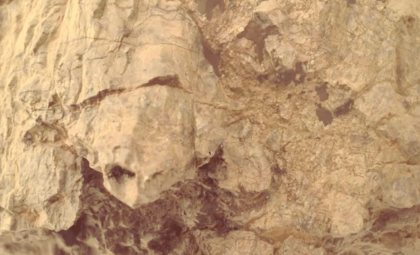
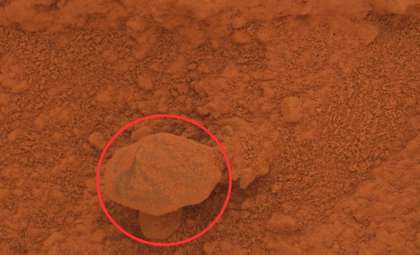
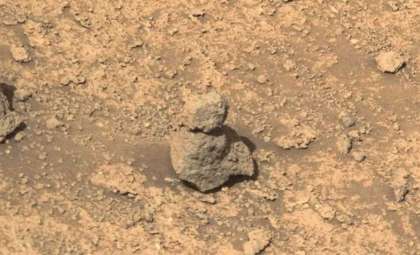
Romoser has also pointed out images that may contain reptile-like fossils. One specimen strongly resembles an Eastern King Snake, noted for its distinctive head shape and bilateral dotted patterns. This fossilized image suggests a wide mouth capable of opening broadly, reinforcing the possibility that reptilian-like creatures might have inhabited, or still inhabit, Mars.
The symmetrical structure and specific features of these reptile-like forms closely mirror those of reptiles on Earth. Romoser’s observations have led him to propose that Mars may have once supported, or might continue to support, life forms resembling terrestrial reptiles. Some images even show reptilian figures seemingly hunting the insect-like entities.
Expanding Horizons in Astrobiology
The impact of Romoser’s discoveries could extend well beyond identifying new Martian life. He suggests these findings might foster emerging scientific fields.
“Given evidence for the presence of insect/arthropod and reptile-like organisms beyond the confines of Earth, perhaps ‘astroentomology’ and ‘astroherpetology’ will emerge as important topics within the field of astrobiology,” he stated.
When Romoser unveiled his research at the 2019 National Meeting of the Entomological Society of America, it generated both intrigue and debate. Regardless of conclusions drawn, his work promises to advance discussions on Martian life, focusing on the possibility of complex organisms beyond mere microbes.
- Categories:
- News




0 comments
Sign in to Comment