
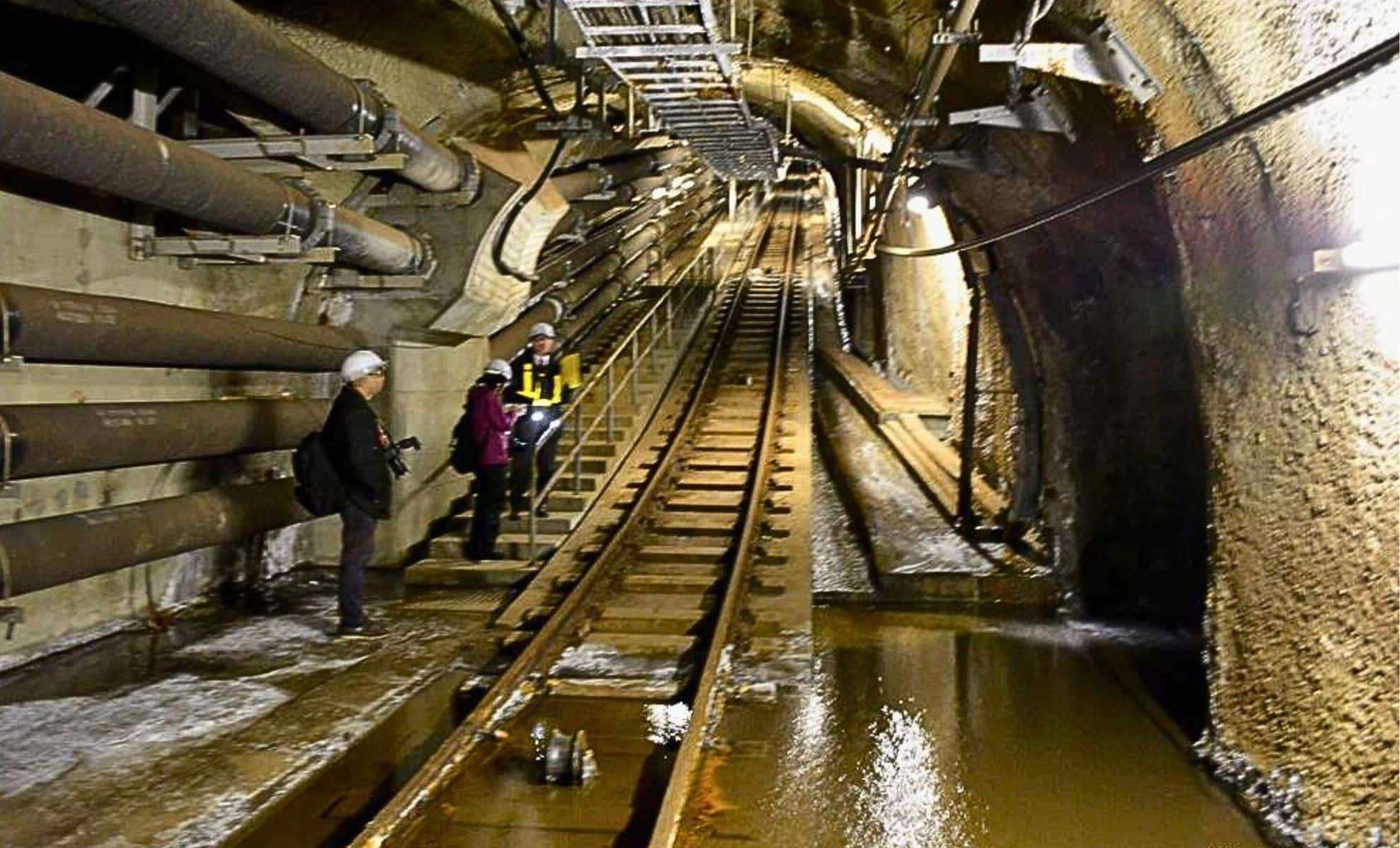
The Seikan Tunnel stretches an impressive 33.46 miles (53.85 km), linking Japan’s Honshu and Hokkaido islands beneath the ocean floor. As the globe’s longest submerged tunnel, it was engineered to resist powerful earthquakes and tsunamis, showcasing decades of technological achievement and endurance. Nevertheless, despite its robust design, it sees less traffic today due to faster and more economical alternatives.
Motivation Behind the Seikan Tunnel’s Construction
During the 1950s, ferries were the primary means of crossing the Tsugaru Strait, but they were vulnerable to severe typhoons. The devastating 1954 typhoon, which claimed 1,400 lives in a ferry incident, made it clear that a safer crossing was essential. Construction commenced in 1964, engaging up to 3,000 workers simultaneously and taking 24 years to complete. When it opened in 1988, the tunnel embodied a triumph of human innovation.
Highlights from its creation include:

- Engineered to withstand earthquakes and tsunami forces
- Built over 24 years
- 34 workers lost during construction
- Exclusively designed for rail transport, accommodating both freight and passenger trains
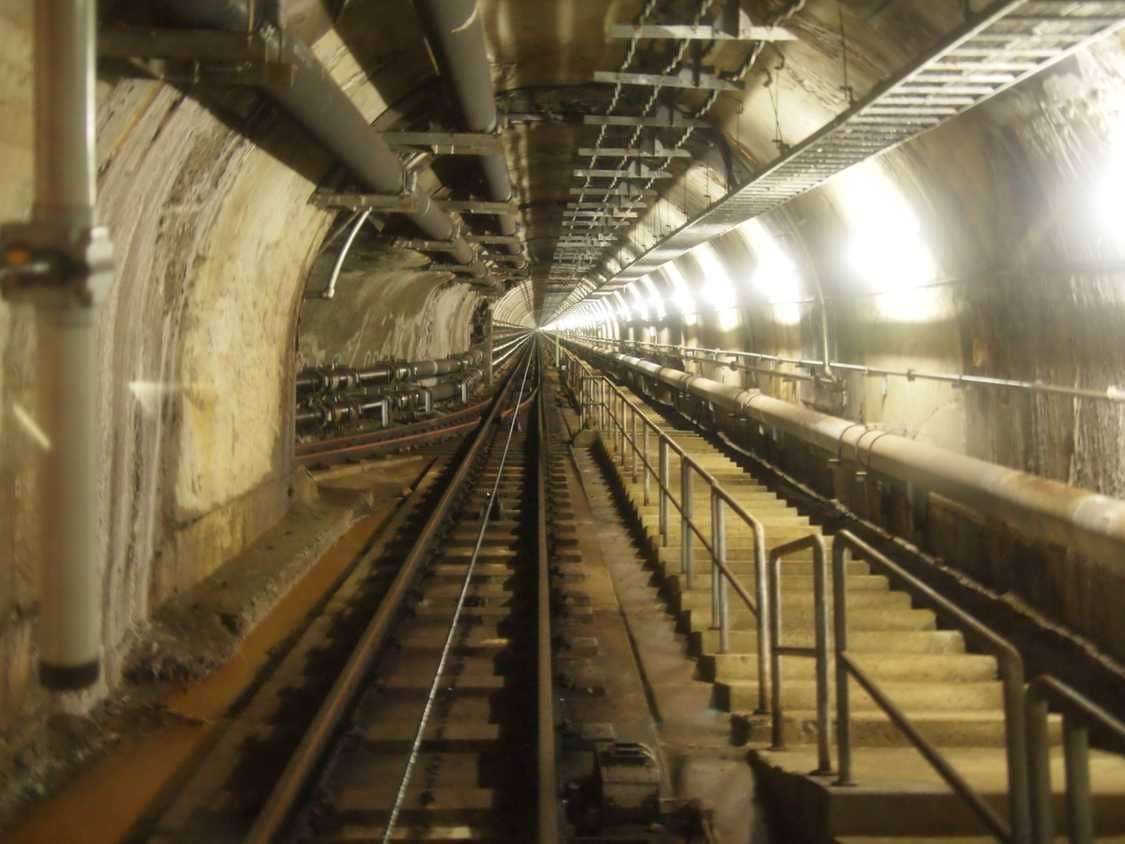
Changes in Tunnel Utilization Over Time
The tunnel initially served as a dependable connection linking Japan’s key islands. However, air travel advancements have shifted public preference significantly:
- Increased flight accessibility: Budget airlines now provide quicker, affordable trips between Honshu and Hokkaido.
- Travel logistics: Train passengers face transfers from city hubs, making total travel time less attractive compared to direct flights.
When the Shinkansen bullet train began using the tunnel in 2016, new operational challenges surfaced. The bullet train’s high speeds generate pressure waves that can threaten the tunnel’s integrity. To maintain safety while sharing the tunnel with freight trains, Shinkansen trains must reduce their speed, causing scheduling complexities.
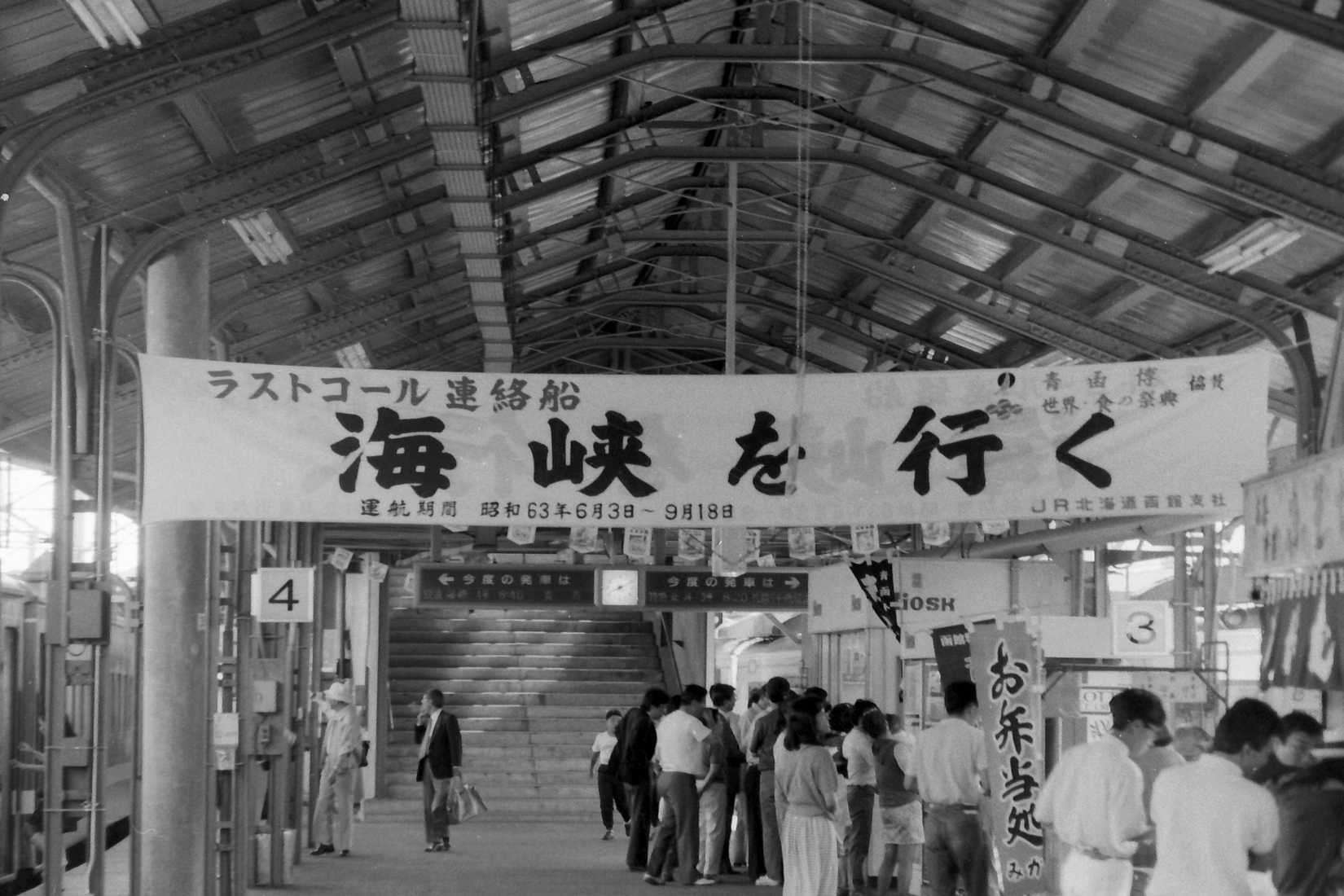
What the Seikan Tunnel’s Journey Suggests About Infrastructure and Travel
This tunnel’s decreasing use illustrates the tension between large, lasting infrastructure projects and evolving traveler demands. Despite its $7 billion investment, it struggles against the appeal of rapid, convenient air journeys. Yet, with increasing awareness of environmental issues, rail could see a resurgence.
Rail offers several advantages:
- Environmental benefits: Trains emit significantly less carbon than planes.
- Dependability: Railways are less affected by extreme weather, providing consistent service.
Though the Seikan Tunnel is presently underused, its enduring legacy as a marvel of resilience encourages future developments to anticipate shifting transit needs.
- Categories:
- News












0 comments
Sign in to Comment