
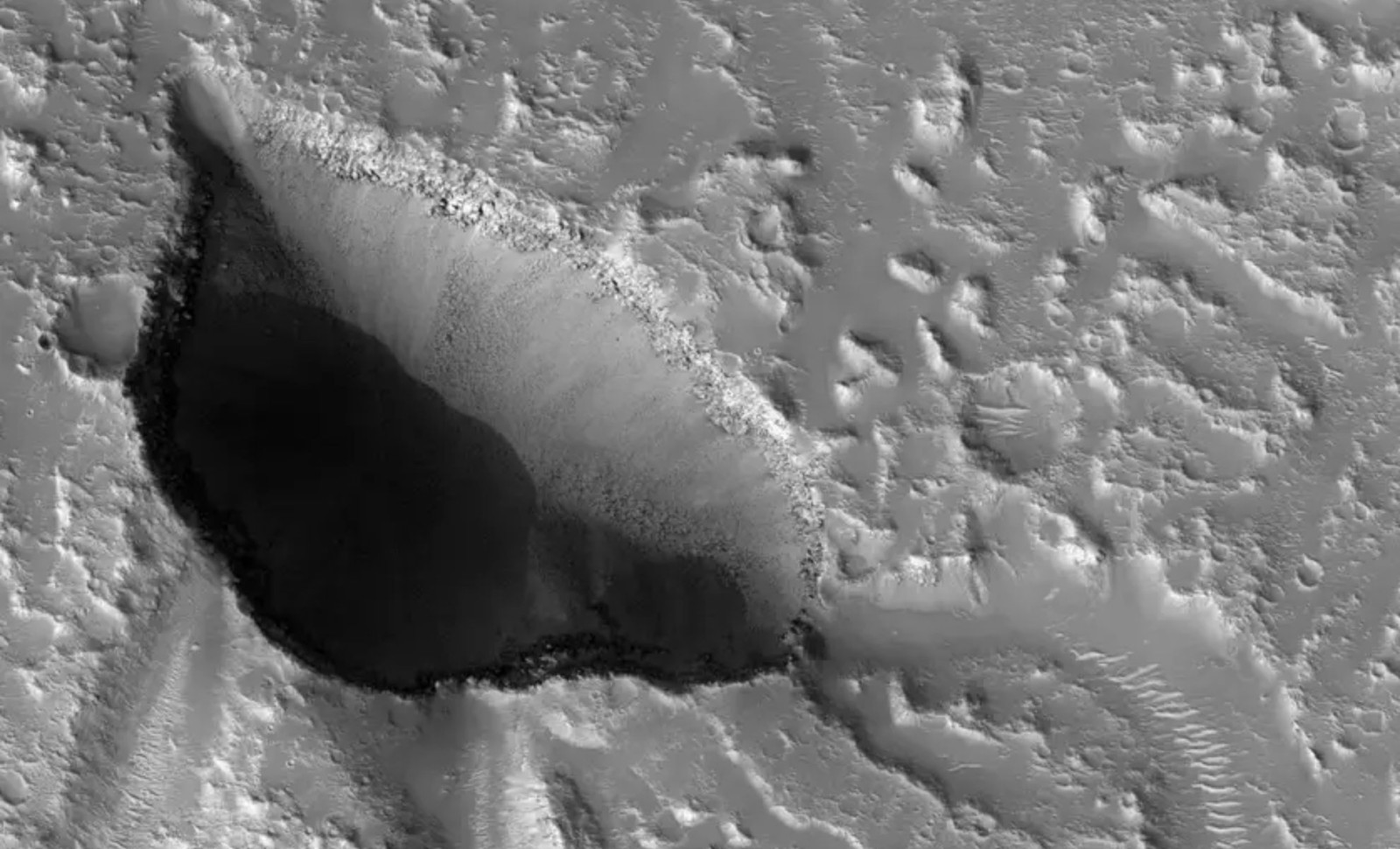
Researchers from China have uncovered eight intriguing caves in the Hebrus Valles region of Mars that likely formed through water erosion. These karst-like caves represent the first evidence of such formations on another planet, contrasting with previously found Martian caves primarily created by volcanic processes. This discovery provides fresh insights into the Red Planet’s geological diversity.
This finding expands Mars’ known types of caves and offers promising sites in the quest to uncover signs of past life. Since these cavities were shaped by fluid action long ago, they could have trapped preserved biosignatures, making them prime candidates for forthcoming robotic exploration missions.
Introducing a New Variety of Martian Caves
Published on October 30, 2025, in The Astrophysical Journal Letters, the study utilized data from NASA spacecraft, including the retired Mars Global Surveyor. The eight caves identified in Hebrus Valles, located in Mars’ northwest, exhibit features unlike the lava tubes previously documented.

Each cavity is roughly circular and deep but notably lacks the elevated rims or ejecta deposits characteristic of impact craters. The team classified these as "skylights," openings formed by the collapse into underground voids.
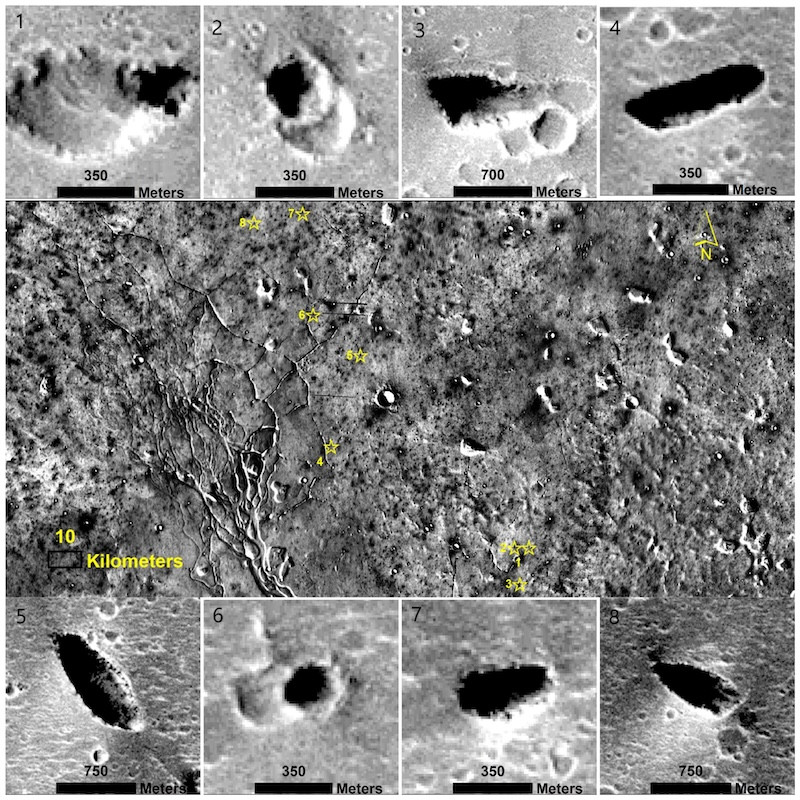
A Distinctive Cave Type from Mineralized Terrain
The hallmark of these caves lies in the mineral composition nearby. Data from NASA’s Thermal Emission Spectrometer (TES) showed the presence of carbonates and sulfates. Researchers suggest these formations originated through subsurface water dissolving soluble rock, creating karst landscapes similar to those on Earth but previously unconfirmed on Mars.
“These skylights are interpreted as the first known potential karstic caves on Mars,” the authors stated in their paper, calling them a new cave-forming class separate from the volcanic and tectonic types previously recorded.
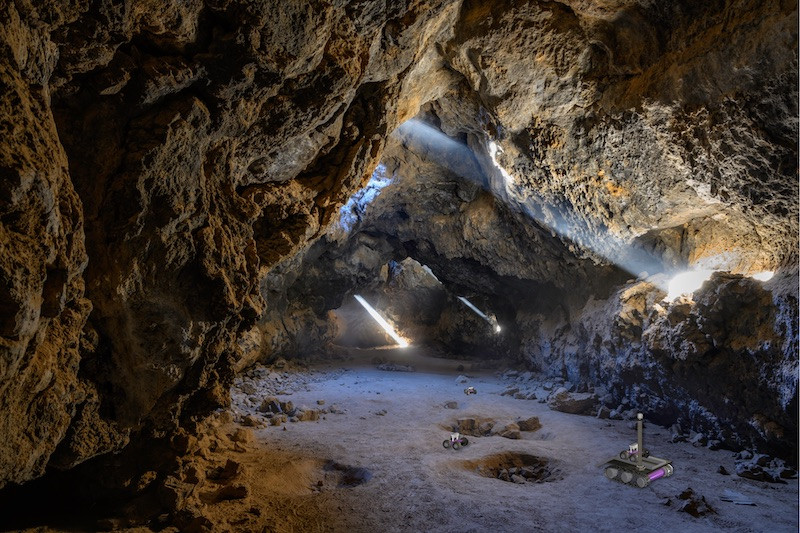
Potential Havens for Microbial Life
Any life forms on Mars would have needed refuge from the planet’s harsh external environment, which includes strong radiation, intense dust storms, and extreme temperature swings.
EarthSky reports that scientists believe these caves could have supported microbial organisms, provided water and essential chemicals were present. These sheltered underground areas may have created stable environments, improving the likelihood that life’s traces might endure.
Such discoveries enable astrobiologists to focus exploration efforts on promising locations instead of conducting random surface sampling, improving the chances of detecting evidence of life past or present beneath Mars’ surface.
A New Target for Robotic Missions
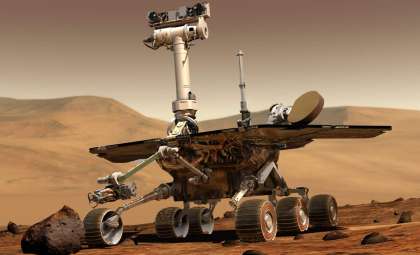
Mars caves have garnered attention as strategic exploration sites. Proposals from as early as 2023 recommend deploying tiny autonomous rovers equipped with sensor “breadcrumbs” to navigate and study cave interiors where conventional rovers cannot reach.
Detailed 3D models of these Hebrus Valles caves, generated with data from the Mars Reconnaissance Orbiter, verify that the features align with collapse due to erosion rather than volcanic or tectonic causes. These models may help engineers develop next-generation robotic explorers tailored for subterranean expeditions.
- Categories:
- Astronomy







0 comments
Sign in to Comment