
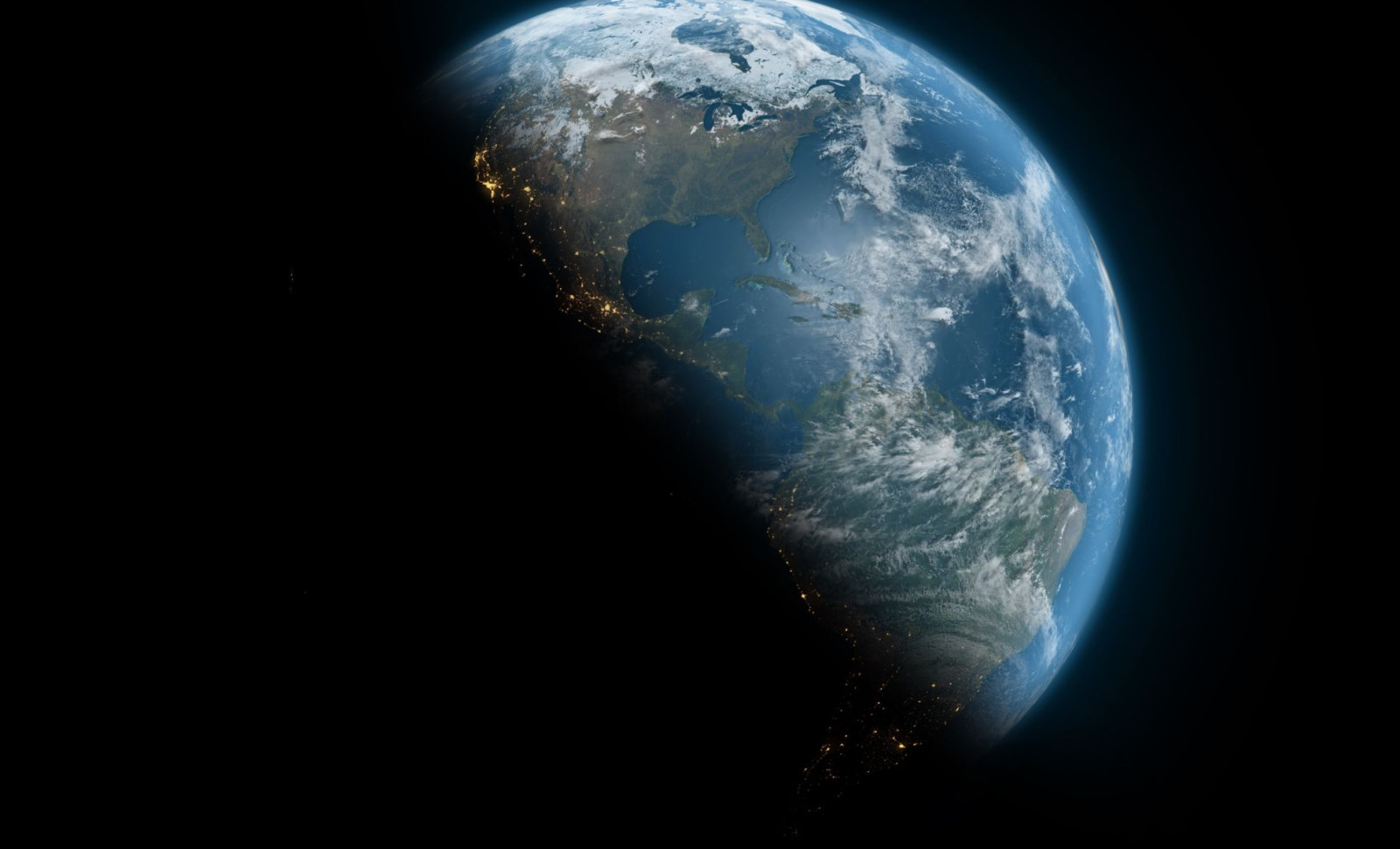
The possibility of finding another planet like Earth appears increasingly unlikely. Emerging research indicates that the precise conditions necessary for Earth-like environments are uncommon, and the development of complex life might be exceedingly scarce, potentially isolating us in the galaxy. Recent findings shared during a SETI Live forum argue that the criteria for hosting intelligent life are far more stringent than previously thought.
During a session led by Dr. Simon Steel, Deputy Director of the Carl Sagan Center, planetary experts Dr. Manuel Scherf and Dr. Helmut Lammer from the Austrian Academy of Sciences examined why many planets labeled as “Earth-like” fail to achieve the chemical and atmospheric equilibrium needed to foster intelligent organisms.
Uncommon Atmospheric Traits of Earth
Earth’s support for advanced life depends heavily on a rare atmospheric configuration. As Dr. Scherf explained at the SETI Live talk, the consistent presence of oxygen, nitrogen, and low carbon dioxide levels is extraordinarily difficult to achieve naturally. High-energy metabolisms, crucial for complex life and intelligence, require oxygen concentrations higher than roughly 100 millibars.

A SETI statement highlights that this fragile balance emerged over billions of years through co-evolution between life and the atmosphere. Dr. Lammer pointed out that factors such as the carbon-silicate cycle, the oxygenation of the atmosphere, and the nitrogen recycling mechanism are key to Earth's stability. However, the margins are slim: excessive CO₂ becomes harmful, insufficient amounts destabilize the upper atmosphere, and oxygen levels beyond 300 millibars create significant fire risks.
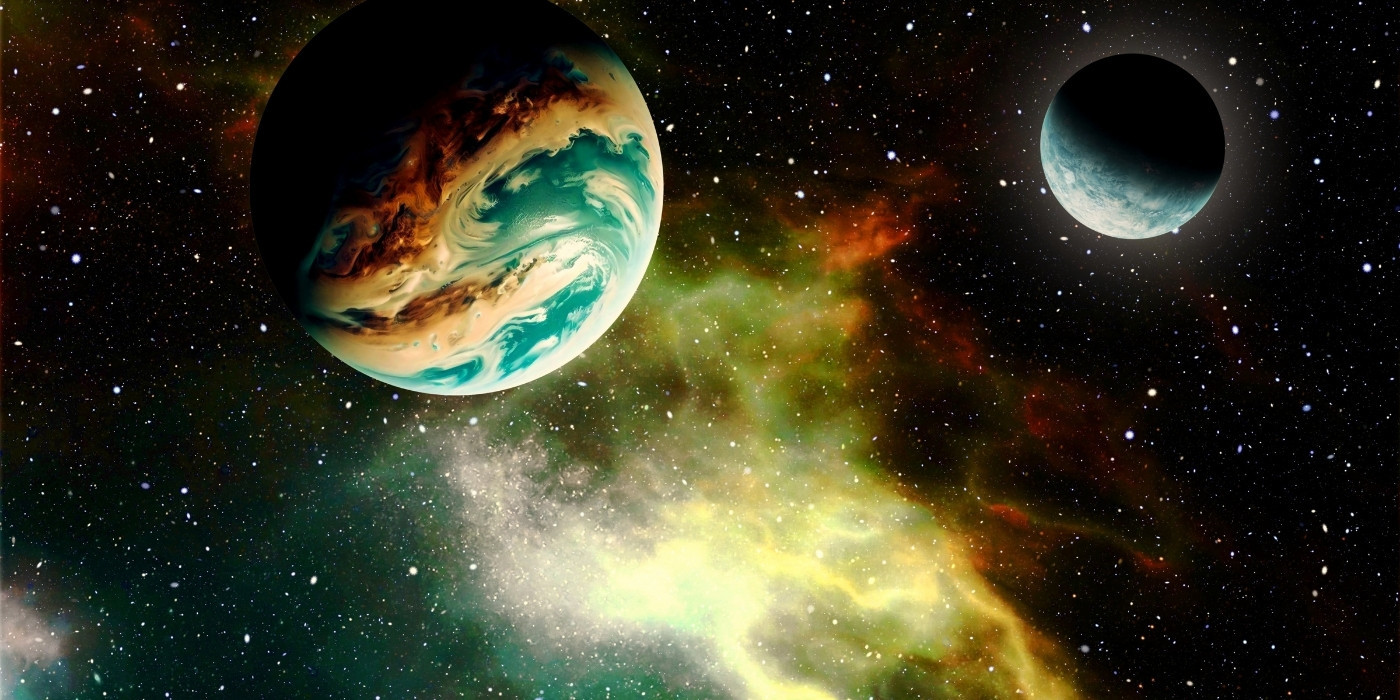
Planets Around Red Dwarfs Face Tough Obstacles
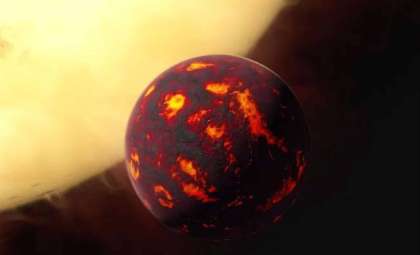
Despite their abundance, M-dwarfs or red dwarfs present planetary environments that are hard to sustain life. Dr. Lammer notes these stars emit intense ultraviolet and X-ray radiation, which can erode planetary atmospheres by heating and causing atmospheric gases to escape. Even atmospheres rich in CO₂, usually helpful in cooling, struggle to persist amid such radiation.
Data from the James Webb Space Telescope support this, revealing a lack of atmospheres on several planets within the TRAPPIST-1 system. In cases where a thin atmosphere might remain, additional challenges arise: tidal locking leads to permanent days and nights, causing atmospheric freeze-outs on dark sides, and many such planets lack large moons for orbital stability.
Earth-like Worlds Appear Scarcer Than Previously Estimated
The team developed a simplified version of the Drake Equation, concentrating solely on measurable factors like the frequency of rocky planets within habitable zones, their capacity to retain atmospheres, and their position within the galaxy.
Even under hopeful projections, their calculations suggest fewer than 250,000 planets in the Milky Way possess atmospheres akin to Earth’s. Factoring in the emergence of life, its evolution to complexity, and technological advancement further narrows the number of intelligent civilizations, possibly to just a handful or none in our vicinity.
- Categories:
- Astronomy





0 comments
Sign in to Comment