
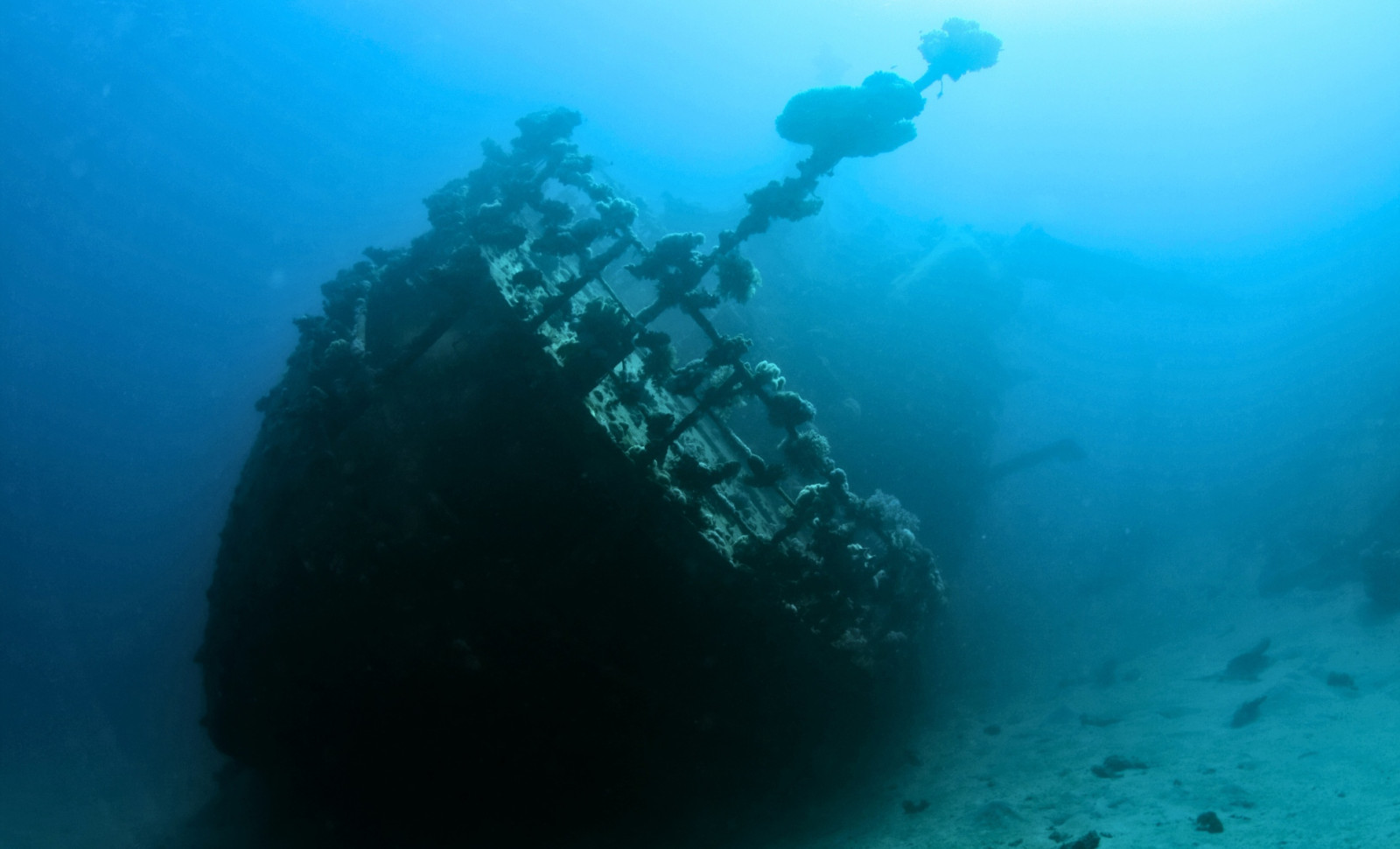
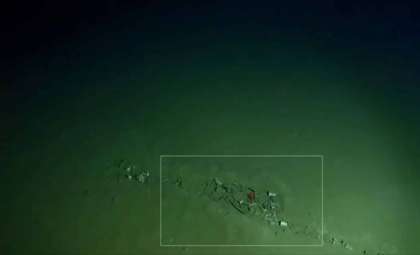
Navigating nearly 3,000 feet beneath the Mediterranean Sea, a remotely operated vehicle captured images of an unexpected sight resting quietly on the ocean floor. Four iron cannons lay arranged in order. Nearby, a spyglass and various objects such as pots, bottles, and tea bowls from three continents were scattered across the sediment.
This find was not the much-sought HMS Sussex, an 80-gun English warship lost in 1694 between Spain and Morocco, which Odyssey Marine Exploration targeted during their 2005 mission. Instead, what emerged from the depths was smaller, deeper, and far more ominous.
The shipwreck turned out to be a Barbary corsair vessel, marking the first confirmed pirate ship from Algiers discovered in the region these pirates once dominated. The discovery remained under wraps for nearly twenty years as experts unraveled its history. Its story was recently detailed in Wreckwatch magazine, as explained by editor-in-chief Sean Kingsley.

A Compact Tartane with Powerful Armament
This ship is a modest 45 feet long and identified as a tartane, a vessel equipped with triangular sails and oars, enabling tight maneuvering along coastlines. Tartanes provided an edge beyond their speed; their resemblance to fishing boats allowed corsairs to approach merchant ships unnoticed until it was too late.
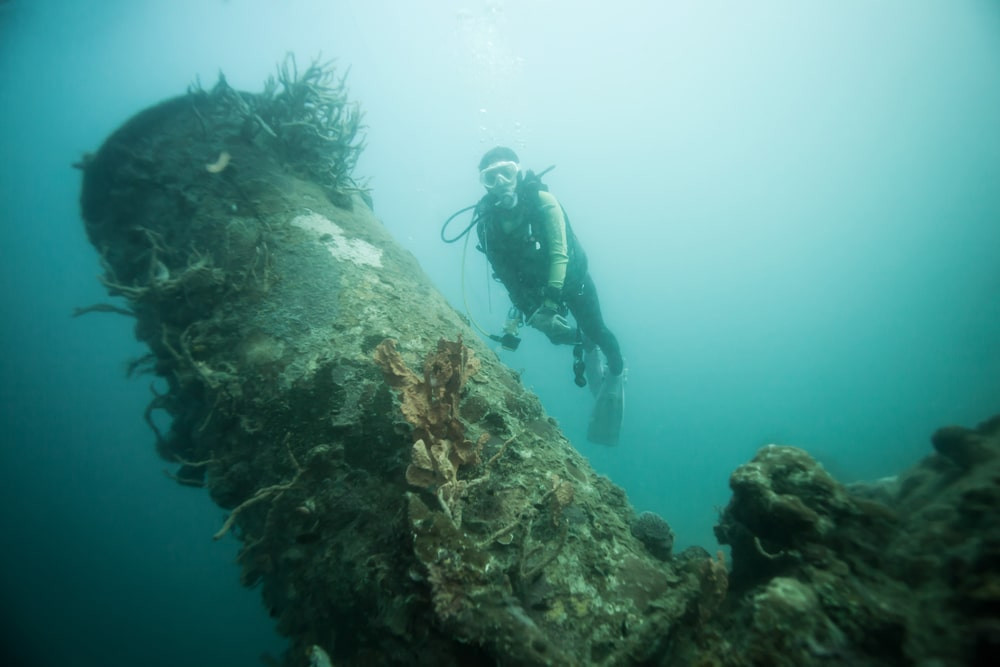
Below deck, the firepower contradicted the ship’s innocent appearance. Inspections by remotely operated vehicles revealed four heavy cannons, ten swivel guns, and muskets sufficient for a crew of about twenty. Swivel guns on rails could pivot to target enemy rigging or decks, proving devastating in close-quarter encounters.
Kingsley told Newsweek that the mixture of heavy arms and diverse cargo clearly marks this as a pirate vessel, since typical merchants were not so heavily armed. The research appears in Wreckwatch's summer 2024 edition, a publication devoted to maritime archaeology worldwide.
A Diverse Cargo from Numerous Origins
The artifacts found strewn around the wreckage originated from a variety of places. There were glass liquor bottles produced in Belgium and Germany, tea bowls fired in Ottoman Turkey, and a rare European spyglass from the mid-1700s, likely taken from a seized ship.
The most revealing items, however, were ordinary belongings like pots and pans made in Algiers, indicating that the crew employed North African household goods to appear as harmless traders. The vessel was probably en route to Spanish territories to capture prisoners when it sank.
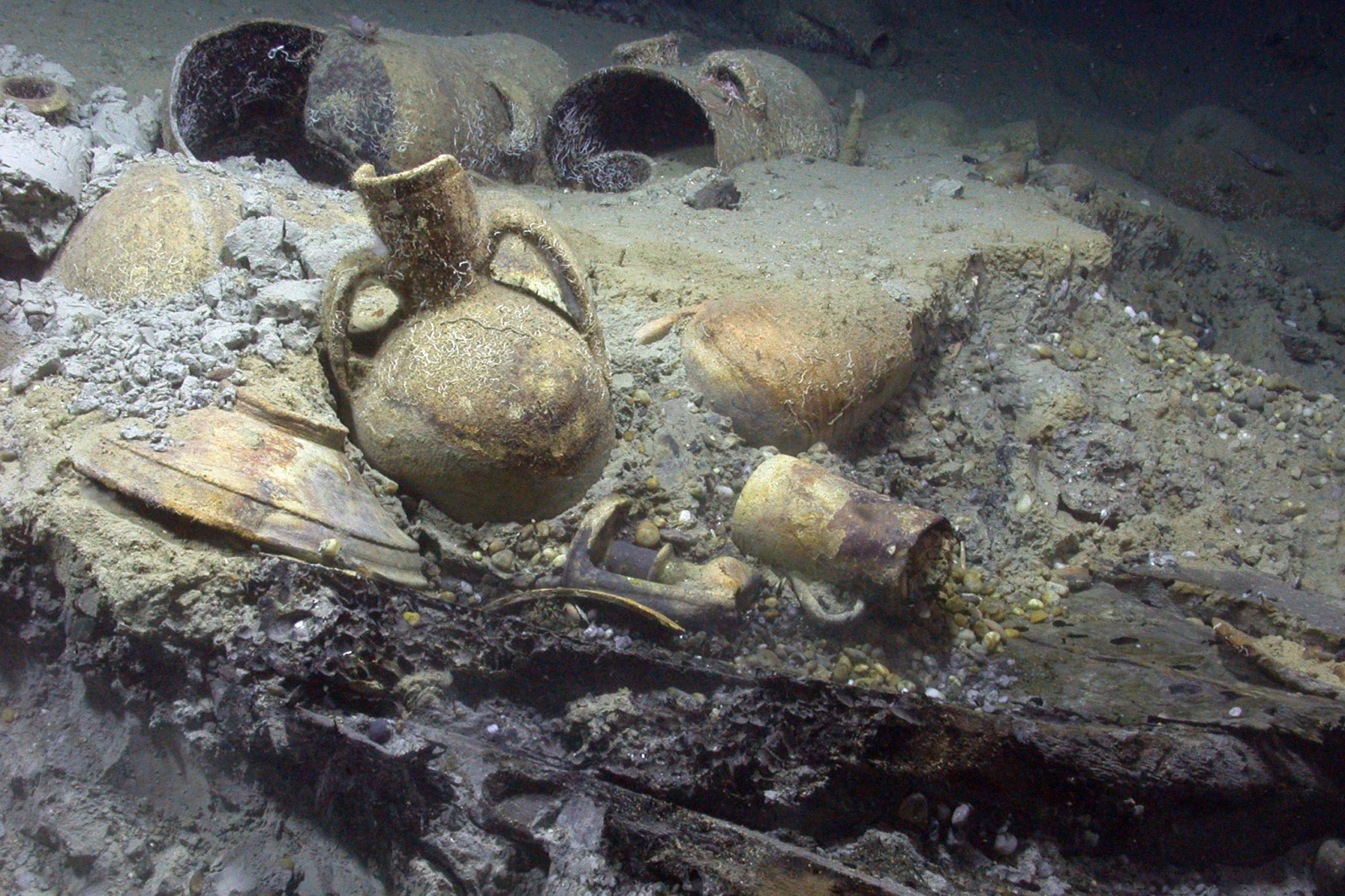
Experts connected the pottery to kilns uncovered many years ago beneath Martyrs’ Square in Algiers. These kilns had supplied the corsair city with everyday ceramics identical to those now found beside the cannons underwater. Kingsley noted in Live Science that this diverse assemblage sets the wreck apart from typical Mediterranean trading vessels.
The Terrifying Reach of Barbary Corsairs
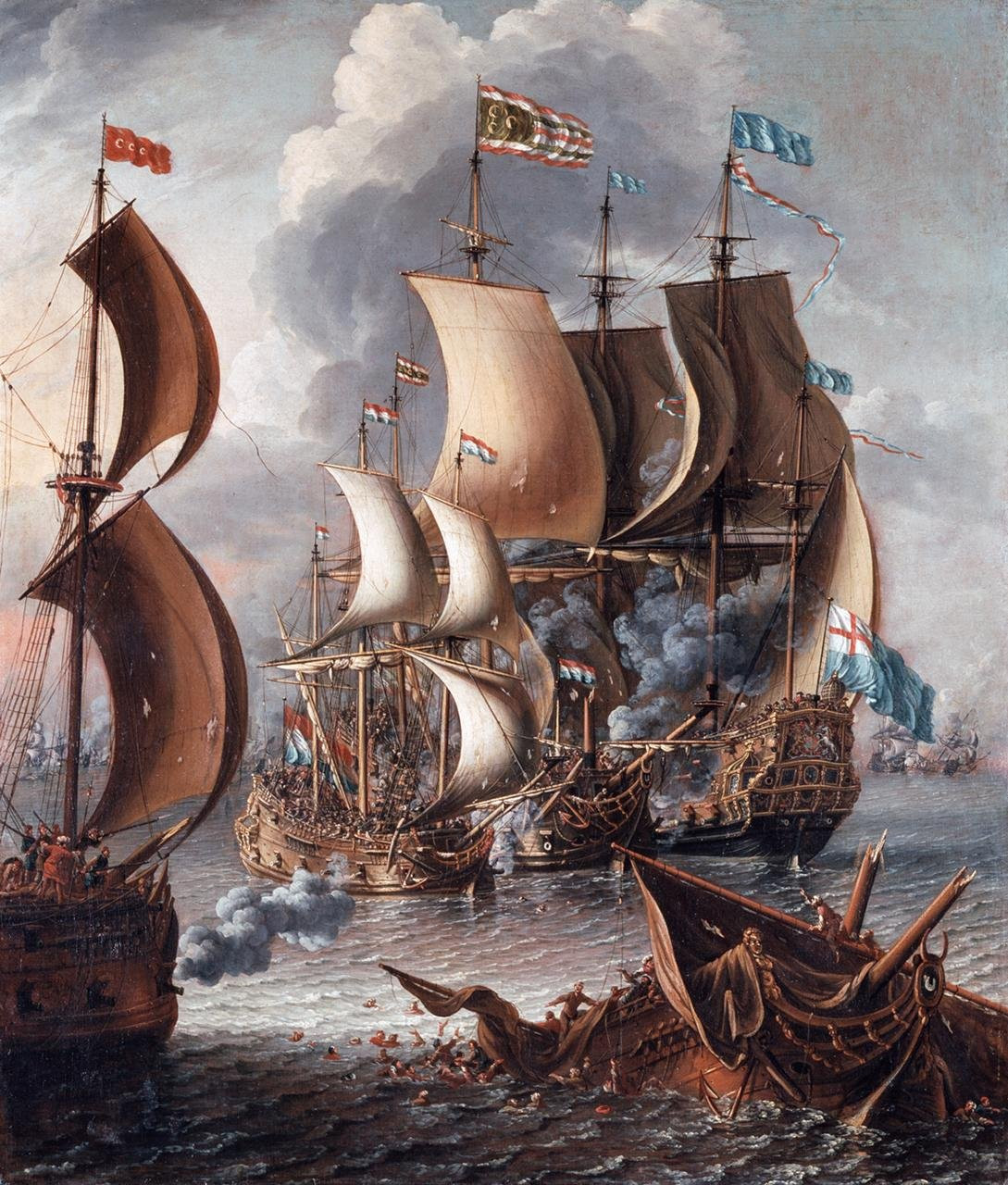
Unlike their Caribbean pirate counterparts who targeted individual ships, Barbary corsairs struck fear into entire European coastal communities. Kingsley described Algiers as a city of 60,000 residents who thrived on piracy from the early 1500s until France’s invasion in 1830.
These raiders ventured as far as southern England and Ireland. Ships and their crews were seized across both the Atlantic and Mediterranean, providing loot and slave captives. Merchants sailing near these waters risked capture every trip.
The corsair ship sank around 1760, according to dating of glass bottles and Ottoman tea bowls found at the site, last made around 1755. A sudden storm likely drowned the tartane before it could reach shallow waters or shelter.
Remaining Preserved After Over Two and a Half Centuries
The wreck's great depth has shielded some parts from destruction. Nearly the lower third of the hull still stands intact, buried beneath sediment that kept shipworms from consuming it, while upper sections exposed to seawater were long ago eaten by saltwater clams common in Mediterranean waters.
No fishing trawl or diver has disturbed this site, preserving it exactly as it came to rest centuries ago — a snapshot from when Barbary corsairs dominated the western Mediterranean and sailors whispered cautions about sailing near Algiers.
Greg Stemm, director of Seascape Artifact Exhibits Inc., called the shipwreck a priceless reminder of one of the Mediterranean’s most infamous maritime threats. Though excavation remains incomplete, scientists believe much of the ship’s keel and lower structure lie well preserved beneath the sand.
- Categories:
- News


0 comments
Sign in to Comment