
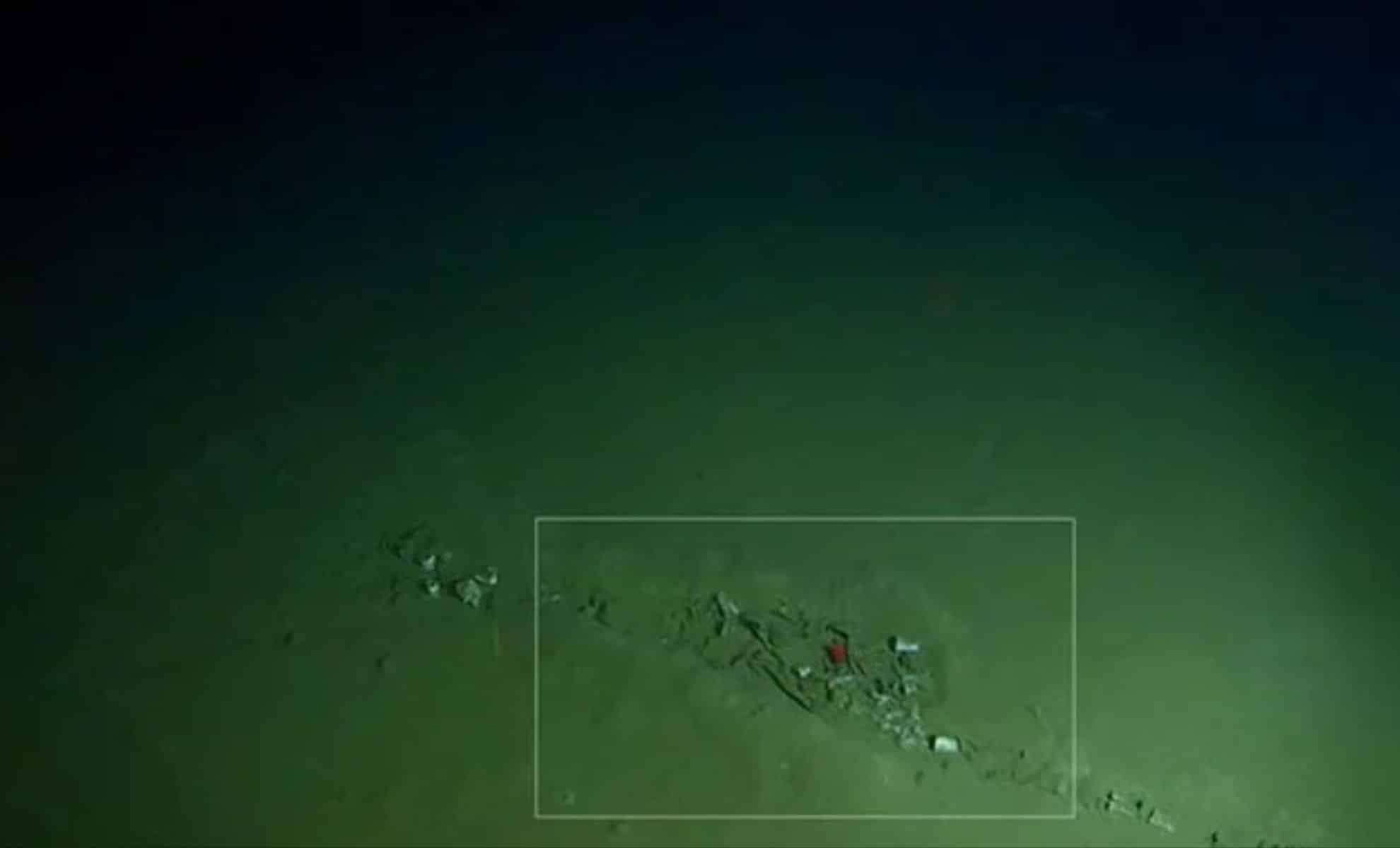
An international scientific team has uncovered troubling signs of pollution at the Calypso Deep, the Mediterranean Sea’s deepest known location. During a recent manned dive aboard a cutting-edge submersible, researchers documented extensive evidence of human waste more than 5,100 meters (16,700 feet) beneath the ocean surface.
Reported in the Marine Pollution Bulletin, these findings reveal the alarming spread of human pollutants into even the most isolated marine regions.
Exploring the Remote Depths of Calypso Deep
The Calypso Deep, situated within the Hellenic Trench near Greece, descends to 5,112 meters, making it one of the least explored zones in the Mediterranean basin. Known for its extreme pressure, darkness, and cold temperatures, this region has long been thought to be isolated from biological and environmental disruptions occurring at the surface.

This expedition marked the first-ever human-piloted submersible descent to this depth for scientific observation. A multinational team of deep-sea experts, marine ecologists, and environmental scientists conducted the dive to investigate species diversity, sediment characteristics, and signs of human impact.
Unexpected Human Debris at the Ocean Floor
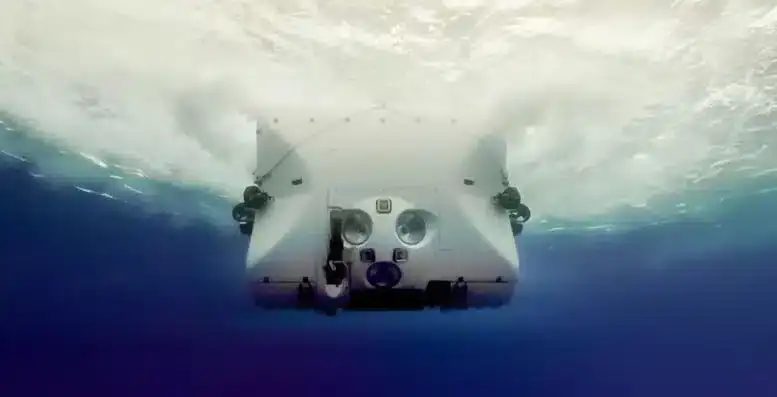
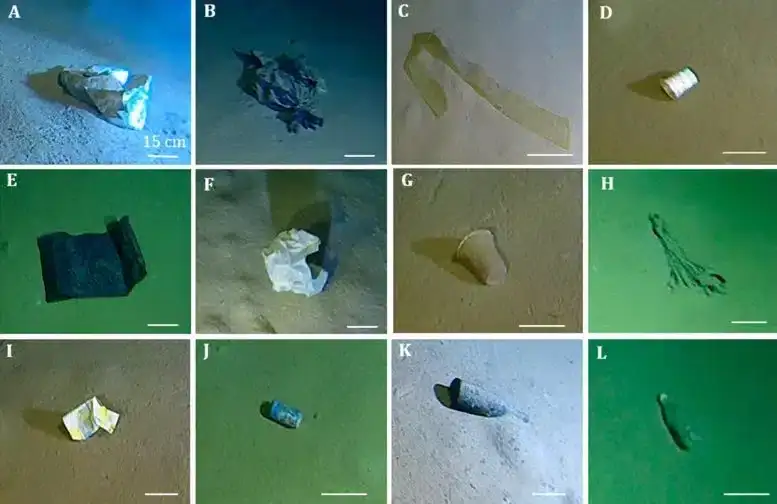
For the descent, the team employed the Limiting Factor, a rugged titanium submersible designed to endure immense underwater pressure. During a 43-minute exploration, scientists catalogued 167 pieces of litter, of which 148 were confirmed to be man-made.
Discovered items ranged from plastic bags and glass shards to metal pieces and paper scraps, some partially embedded in sediment. Researchers highlighted a striking arrangement of debris piles forming nearly straight lines, suggesting intentional dumping activity.
Professor Miquel Canals of the University of Barcelona commented, “Our observations included a buildup of rubbish bags dumped directly from vessels, indicated by the linear accumulation of diverse waste types.”
This evidence points to a mix of direct disposal at sea and materials transported from other locations by ocean currents.
The Complex Path of Pollution to the Deep Sea
So how does debris reach such extraordinary depths? Canals explained, “The litter at Calypso Deep originates from both land and sea sources and travels through various routes, including long-range ocean current transport and local dumping.”
Factors like currents, runoff, and slight vertical water movement all contribute to debris sinking. “Light materials like plastics often drift from nearby coasts, eventually settling or breaking down near the trench floor,” he added. “Bags, in particular, may linger just above the sediment before becoming partially buried or fragmenting.”
This research highlights how even remote deep-sea environments are linked to pollution pathways starting on land or from human maritime activities.
A Natural Trap for Human Waste
The geographical features of Calypso Deep help explain the accumulation of waste there. It is a closed, sharp-sided depression where water movement is limited, allowing debris to settle without much redistribution.
“The Calypso Trench acts like a collection zone for human refuse, trapping materials that sink to its bottom,” noted Canals. “The slow water currents — typically around two centimeters per second — encourage debris to accumulate rather than disperse.”
Because of these conditions, waste deposited in the trench tends to remain, gradually increasing the stock of persistent pollutants. Over time, plastic materials break down into microplastics that integrate into deep-sea sediments and potentially affect marine life.
Hidden Ecological Impact Beneath the Waves
While few species were seen during the dive, researchers identified some marine life like Coryphaenoides mediterraneus (a deep-sea fish) and the shrimp species Acanthephyra eximia. Similar plastic contamination in other oceanic regions has been linked to threats like entanglement, ingestion, and reproductive damage in wildlife.
Even in areas with limited biodiversity, synthetic pollution can cause long-term and widespread ecological harm. Studies of deep-sea sediment cores elsewhere show plastics can persist for many decades, sometimes even centuries.
“Unfortunately, as far as the Mediterranean is concerned,” Canals warned, “it would not be wrong to say that not a single inch of it is clean.”
- Categories:
- News









0 comments
Sign in to Comment