
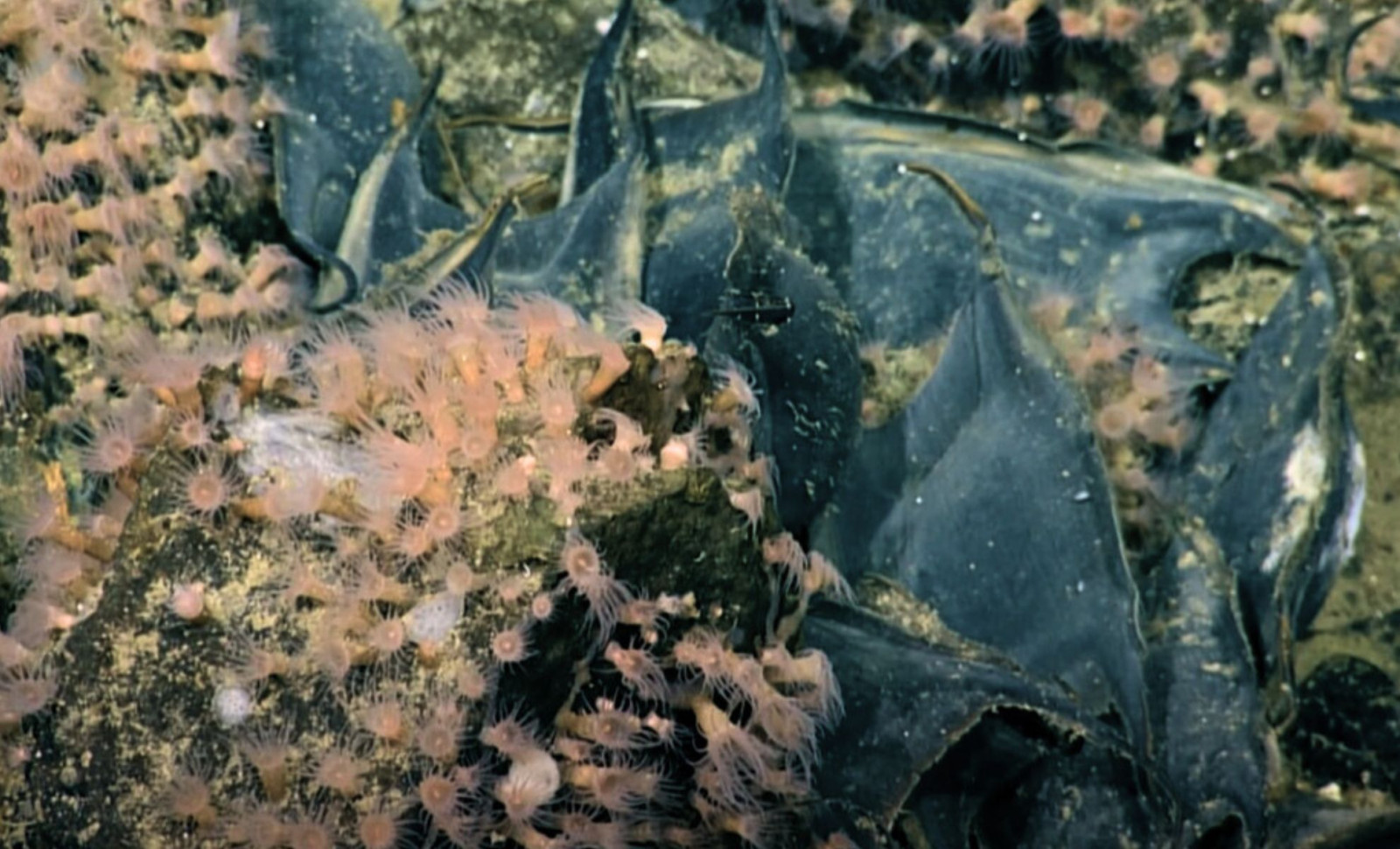
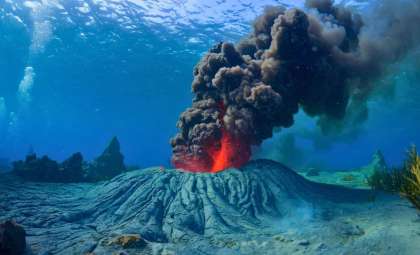
Nearly a mile beneath the Pacific surface off British Columbia's coast, an extraordinary phenomenon unfolds. Rather than violent eruptions, a volcano once believed dormant gently emits warm, mineral-rich fluids into the surrounding deep-sea darkness. This subtle, rhythmic discharge is reshaping scientific expectations.
Amid this warmth lie countless large, pale ovals—initially in the dozens and soon numbering in the hundreds—blanketing the seafloor in a vast mosaic.
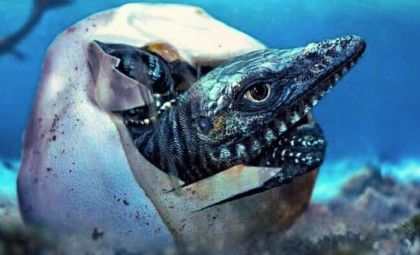
These are not mere artifacts but the eggs of deep-sea creatures—possibly exceeding a million in count. Their presence challenges existing notions about life’s resilience in some of Earth's most extreme environments and suggests a far richer biodiversity in the ocean's depths than previously known.

The discovery likely represents the most extensive known breeding ground of deep-sea skate eggs recorded to date, yet this finding might only hint at the broader ecological significance of the site.
A Surprisingly Active Volcano
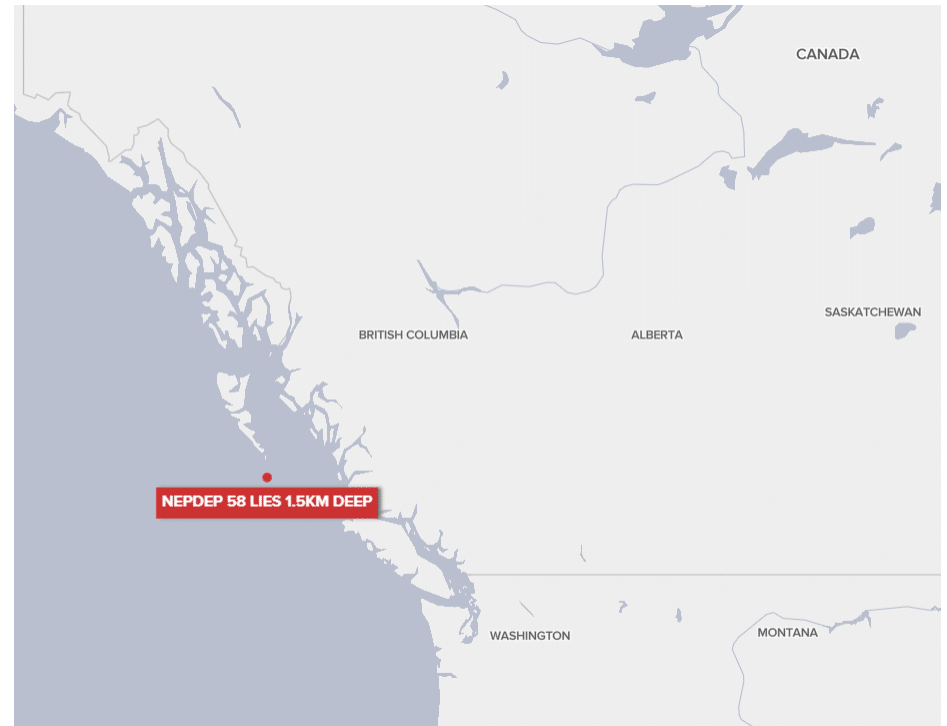
The 2023 expedition, Northeast Pacific Deep-Sea Expedition, conducted by Fisheries and Oceans Canada alongside Ocean Networks Canada, explored a seamount near Vancouver Island previously classified as extinct. Rather than barren rock, scientists uncovered signs of dynamic hydrothermal activity.
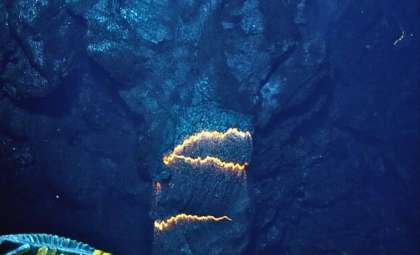
Cracks near the peak of NEPDEP 58 released heated, mineral-dense water—confirming the first reliably documented hydrothermal venting within Canadian jurisdiction.
Accompanying this thermal phenomenon were the remarkable egg clusters.
Found at a depth of 1,500 meters, these egg masses were identified as those of the Bathyraja spinosissima, commonly called the Pacific white skate. This elusive deep-water species, related to sharks and rays, remains poorly studied due to its inaccessible habitat.
“Using the submersible's high-precision thermometer, we realized the volcano was actively releasing hydrothermal fluids, a rare global occurrence and a first for Canada,” explained marine biologist Dr Cherisse Du Preez to 9News Australia.
Historic Recording of Skate Egg-Laying Behavior
Beyond mapping the extensive egg fields, the team employed a remotely operated vehicle to capture the inaugural footage of a Pacific white skate depositing eggs in its natural environment.
“The atmosphere aboard the ship was electric with excitement over the eggs. I half-joked it would be incredible to witness a deep-sea skate laying an egg,” Du Preez recounted to 9News. “Suddenly, a large female gracefully descended onto the seafloor, brushed against nearby corals to deposit the egg. The moment was breathtaking, a true once-in-a-lifetime observation.”
The egg capsules measured up to 50 centimeters in length and were found close to hydrothermal vent areas. Scientists hypothesize that the volcanic warmth may help shorten the skate’s notoriously extended four-year incubation, enhancing young survival prospects.
Similar patterns have been noted elsewhere; a 2018 publication in Scientific Reports observed skate eggs near hydrothermal vents by the Galápagos Islands, indicating thermal incubation as an adaptive mechanism. However, that earlier site contained only dozens of eggs compared to the immense thousands at NEPDEP 58.
Seamount Habitats and Environmental Challenges
This volcano is just one of over 45 seamounts documented during the NEPDEP expedition, which aims to catalog critical habitats along Canada’s Pacific coast. Seamount ecosystems are increasingly acknowledged as hotspots of marine diversity, playing vital roles in nutrient cycling and providing refuge for unique species.
“Seamounts like this are crucial for sustaining broader ocean ecosystems,” noted Du Preez, reflecting the increasing global focus on these undersea formations amidst growing environmental concerns.
Many seamounts contain valuable minerals such as cobalt, attracting interest from the deep-sea mining industry. Even though Canadian authorities have yet to approve commercial efforts, escalating international demand heightens the need for careful ecosystem management.
These insights could steer marine conservation policies, particularly in designating Ecologically and Biologically Significant Areas (EBSAs). The framework under the UN Convention on Biological Diversity highlights criteria for protecting rare, sensitive, or ecologically vital zones.
The NEPDEP expedition was conducted in partnership with Indigenous groups including the Council of the Haida Nation, Nuu-chah-nulth Tribal Council, and Pacheedaht First Nation, whose ancestral lands encompass the research region.
Open Questions and Future Research
Despite the breadth of discovery, many facets of the Pacific white skate remain mysteries. Population sizes are unknown, and it's uncertain if NEPDEP 58 serves as a temporary breeding ground, long-term nursery, or multi-generational refuge.
The relationship between egg-laying sites on coral-rich volcanic rock and proximity to thermal vents prompts questions about specific habitat preferences and whether the species depends heavily on the volcano’s warmth for reproduction.
While comprehensive results are forthcoming, the full dataset from the expedition is preserved by Ocean Networks Canada, supporting ongoing study of these remarkable deep-sea environments.
- Categories:
- Science







0 comments
Sign in to Comment