
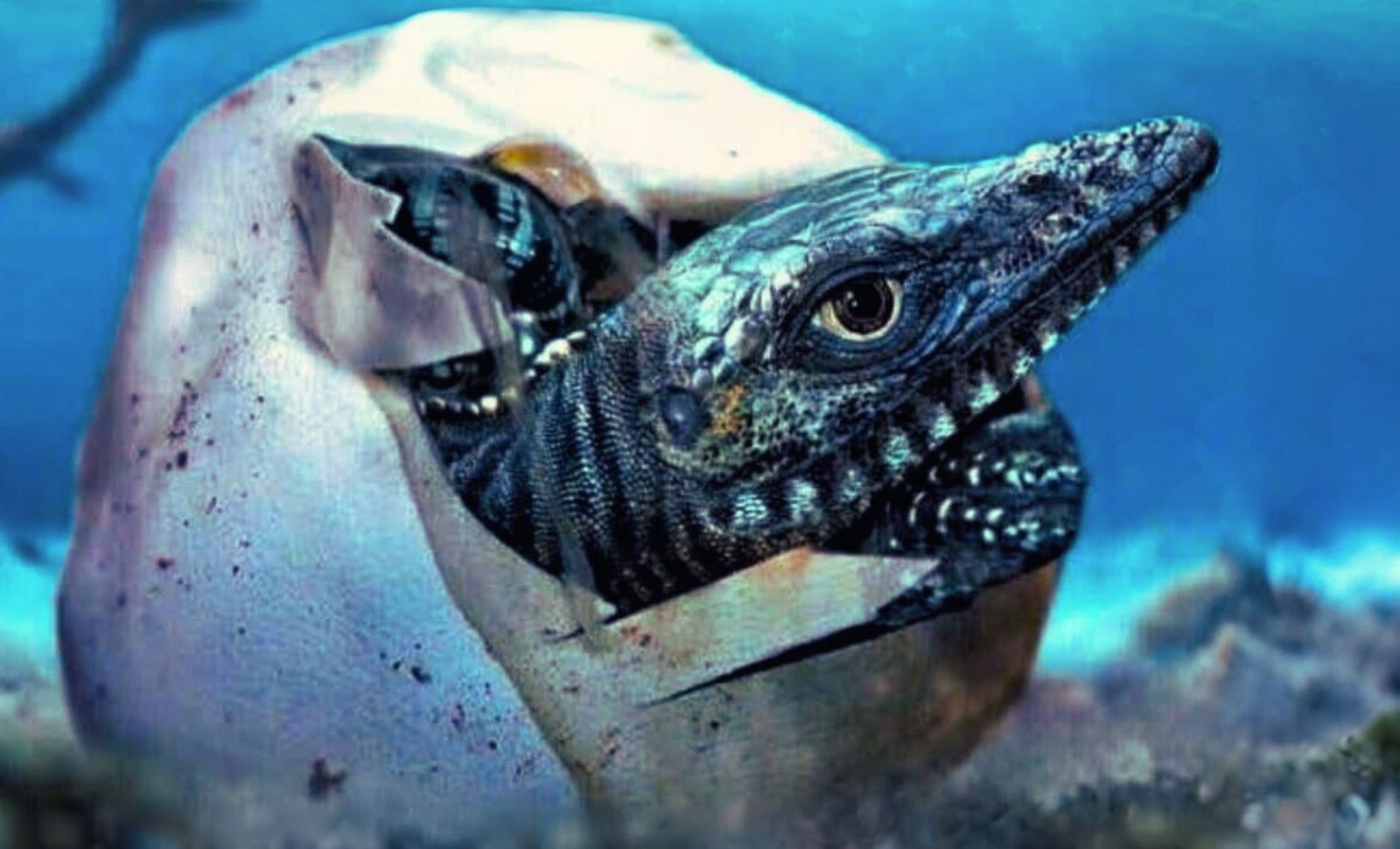
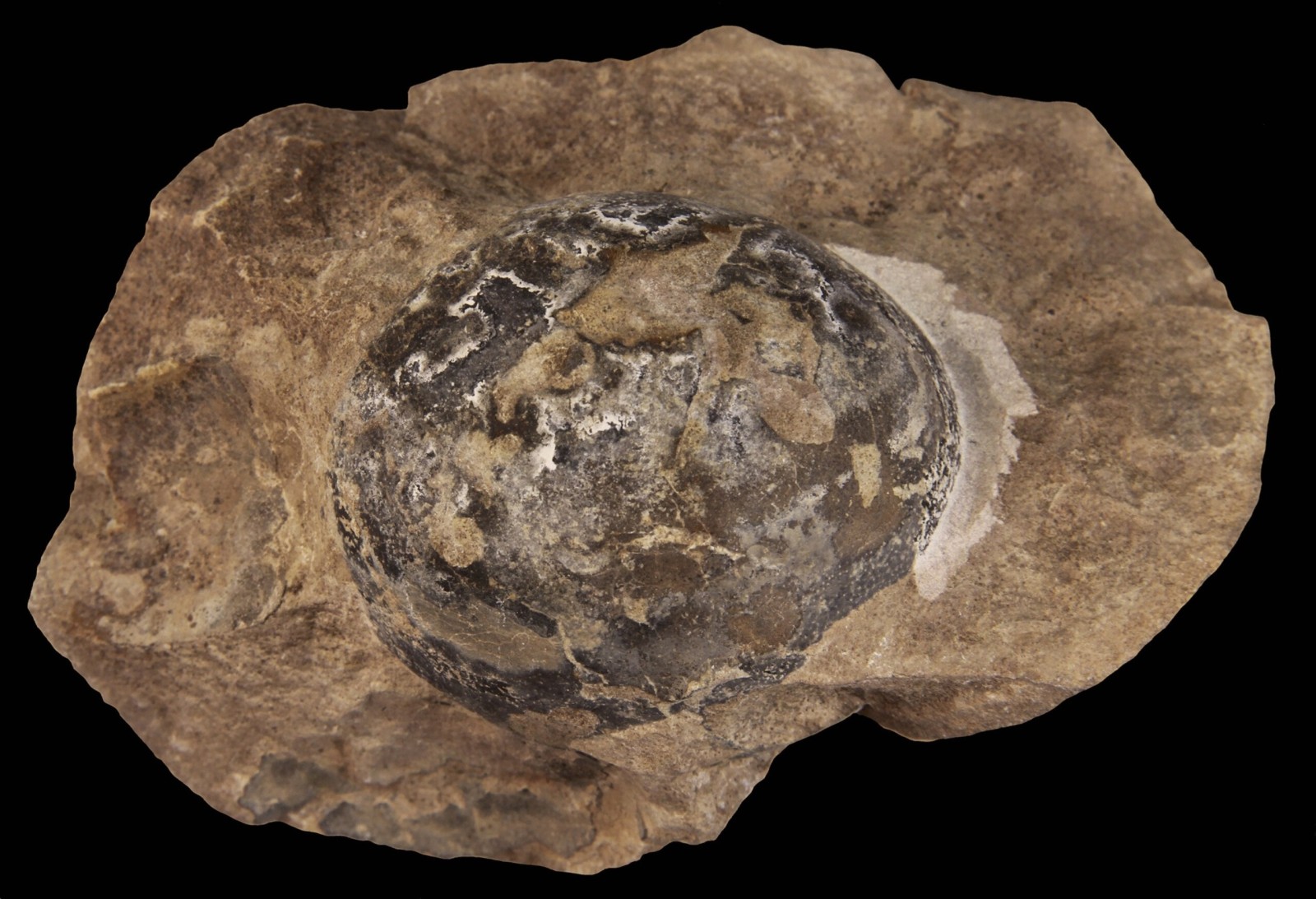
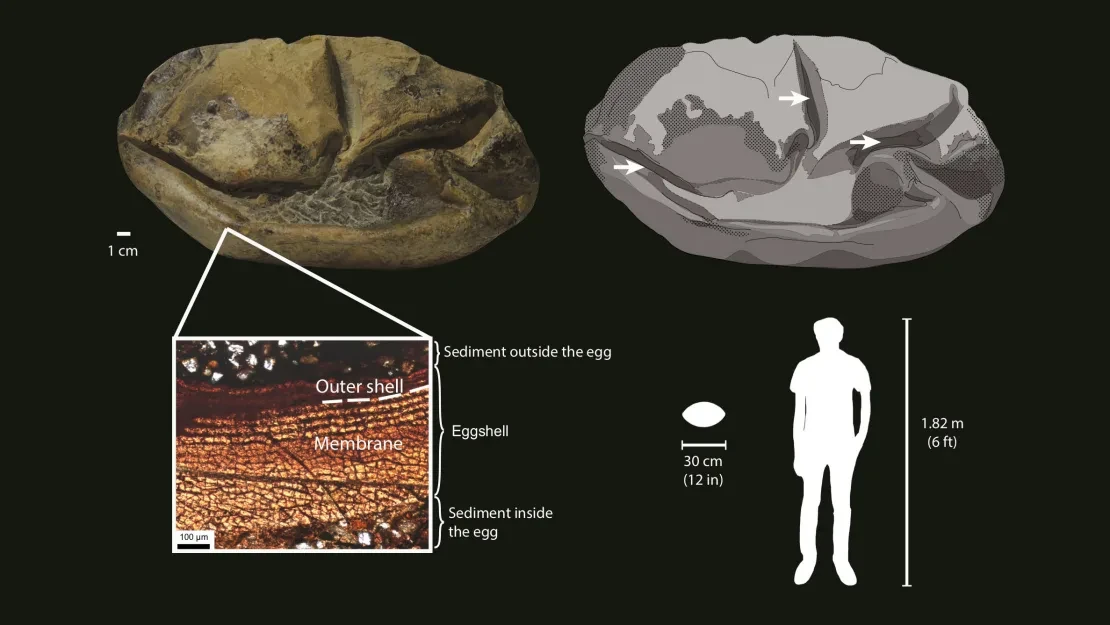
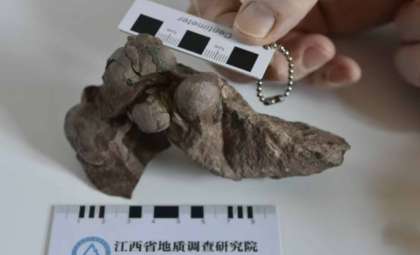
An unusual leathery egg fossil from Antarctica is reshaping what scientists know about the reproductive methods of prehistoric marine reptiles from the Late Cretaceous. Measuring approximately 11 by 8 inches and dating back 68 million years, this egg—named Antarcticoolithus bradyi—is both the largest soft-shelled egg ever discovered and ranks as the second-largest known egg of any kind.
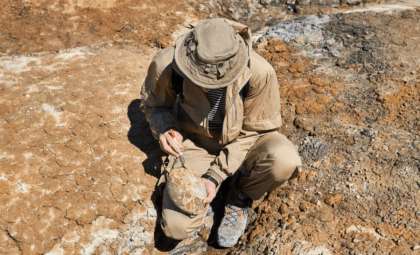
Initially excavated in 2011 on Seymour Island, researchers were baffled by its distinct composition. It resembled a deflated balloon rather than a typical fossilized egg. Only after nearly ten years of detailed investigation did scientists confirm it as a soft-shelled egg probably produced by a large marine reptile, such as a mosasaur.
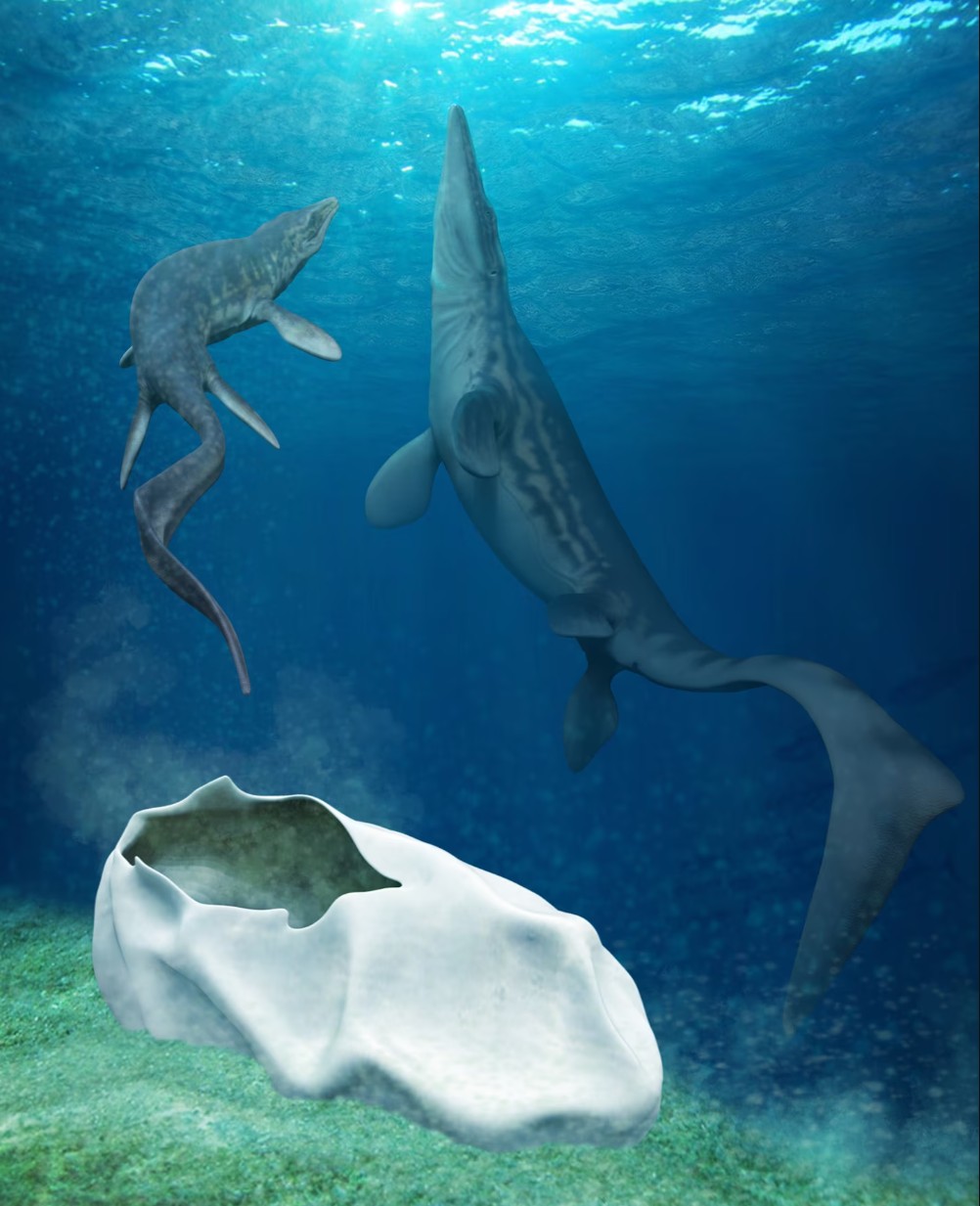
This discovery is prompting a profound revision in paleontological perspectives on how ancient marine reptiles reproduced. The thin, flexible shell resembles those found in some modern-day snakes and lizards, suggesting that instead of live birth—which was the prevailing assumption—some gargantuan marine reptiles may have laid soft-shelled eggs directly into ocean waters. This reproductive strategy was previously considered improbable for animals of this immense size.

Linking the Egg to a Mosasaur
Close to where the egg was found, paleontologists uncovered bones of Kaikaifilu hervei, a giant mosasaur species that inhabited Antarctica’s waters near the close of the dinosaur era. The egg’s considerable dimensions and its proximity to these remains strongly imply a relationship. Additional juvenile mosasaur and plesiosaur fossils nearby provide further evidence that this location served as a nursery ground for marine reptiles.
Lucas Legendre, who led the research and serves as a postdoctoral fellow at the University of Texas at Austin, explained that the egg came from an animal comparable in size to a large dinosaur but markedly unlike dinosaur eggs due to its thin, papery texture and absence of pores, traits closer to modern lizard and snake eggs.
Julia Clarke, a vertebrate paleontologist at UT Austin and co-author, described the egg as "extraordinary in both size and composition." Their findings, published in Nature, back the idea that some giant marine reptiles may have produced eggs that hatched rapidly in aquatic environments, a reproductive method still found in certain sea snakes today.
An independent report by The Brighter Side of News estimated the mother’s body length at more than 23 feet (excluding the tail), fitting within the known size range of mosasaurs.
Reevaluating Soft-Shelled Eggs in Prehistoric Times
This Antarctic fossil contributes to growing evidence that soft-shelled eggs were more prevalent among ancient reptiles than previously assumed. The fossil record has long favored hard-shelled eggs due to their superior preservation, possibly skewing scientific perspectives toward thinking they were the norm.
Discoveries of soft-shelled eggs in species like Protoceratops and Mussaurus are reshaping these views. Darla Zelenitsky, a paleobiologist who specializes in fossil eggs, called the Antarctic specimen "remarkable," highlighting its role in advancing understanding of how these delicate eggs influence our comprehension of early reptile evolution.
While hard-shelled dinosaur eggs were once believed to be primitive traits, new fossils indicate soft shells might have evolved first, with hard shells emerging separately in various groups. Mark Norell, chair of paleontology at the American Museum of Natural History, noted, "It had long been assumed dinosaurs ancestrally laid hard-shelled eggs, but this evidence challenges that perspective."
Antarctica’s Role in Preserving Fragile Fossils
It is especially surprising that such a delicate egg fossil was preserved at all, particularly in Antarctica’s harsh environment. Its excellent state suggests unique sediment and climate conditions that favored fossilization of soft tissues, which usually degrade quickly before preservation.
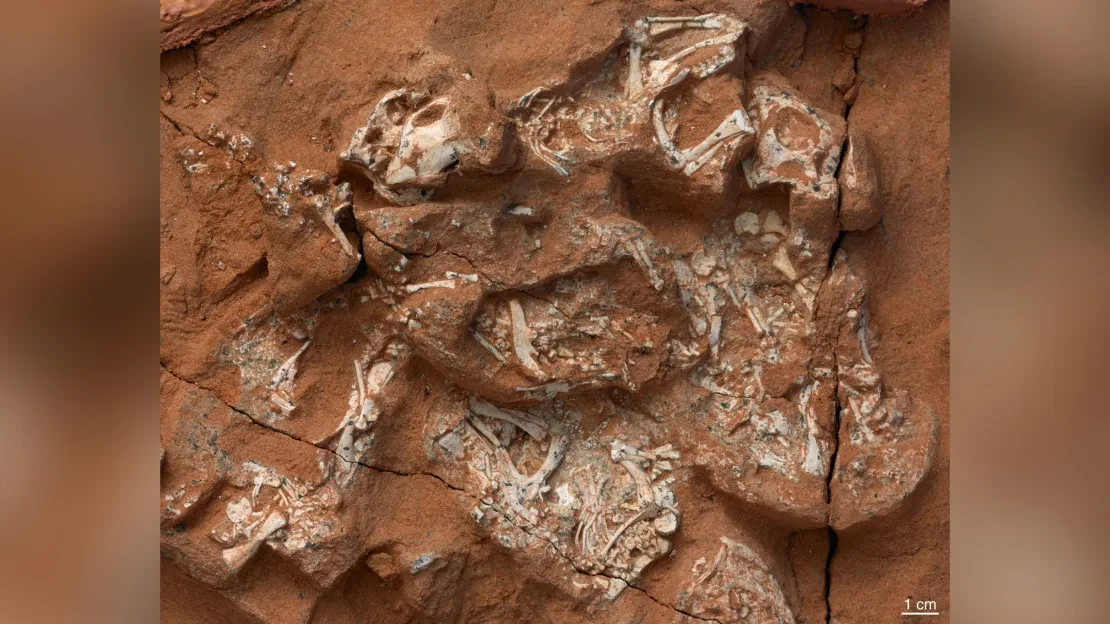
This positions Antarctica as a crucial area for paleontological exploration, with potential to uncover a variety of fossils beyond bones, including fragile biological structures like eggs. Researchers studying A. bradyi plan to conduct further fieldwork in nearby locations.
The aim is to understand how widespread this reproductive strategy was and if other marine reptiles, such as plesiosaurs, employed similar methods. The discovery also encourages deeper examination of sedimentation and fossilization in cold climates, which might better conserve delicate remains than previously recognized.
- Categories:
- Science

0 comments
Sign in to Comment