
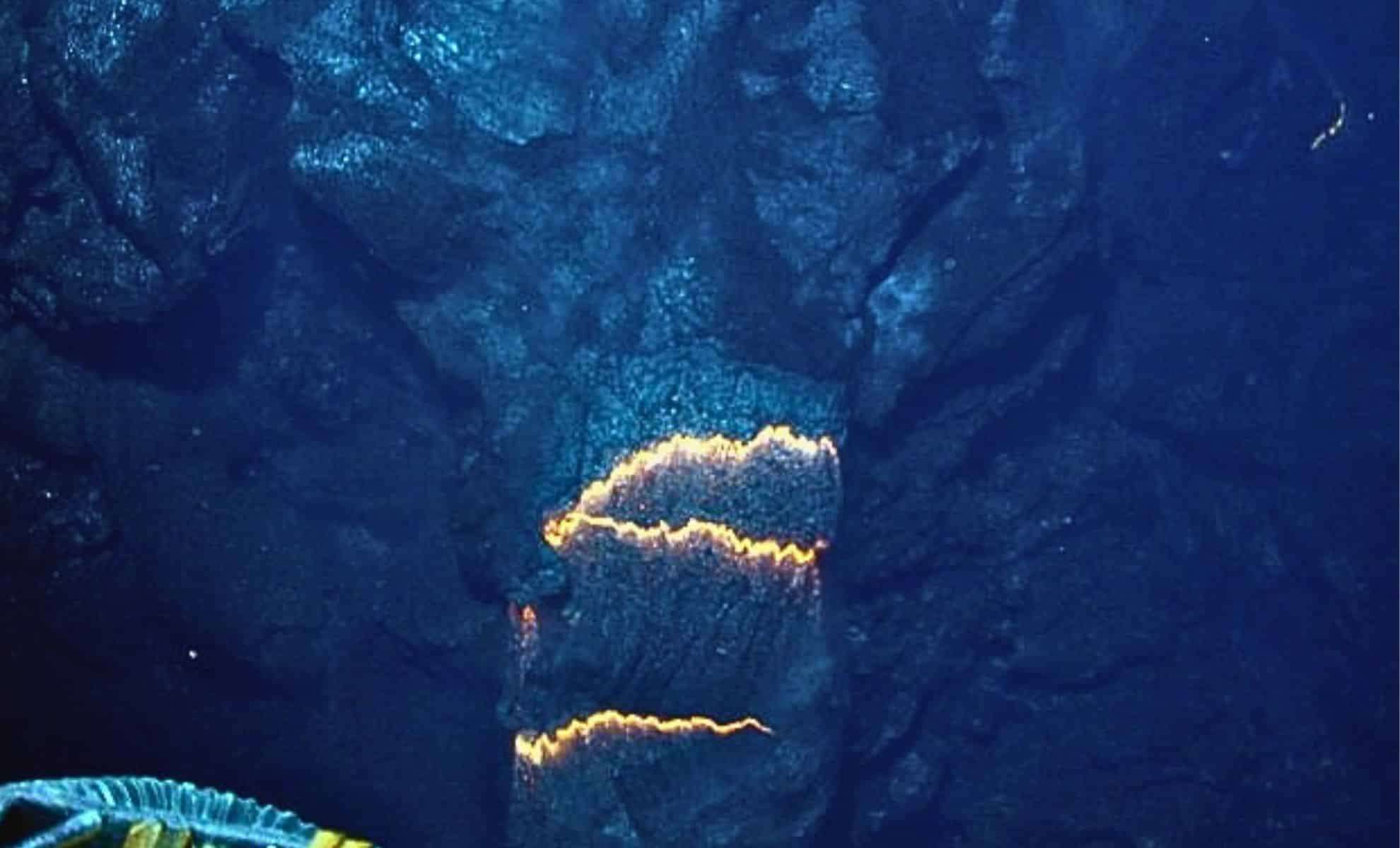
Situated nearly 480 kilometers off Oregon’s coastline, Axial Seamount lies hidden beneath the ocean surface. This submarine volcano ranks among the most active in the Northeast Pacific, currently experiencing significant swelling as molten magma accumulates beneath it. Experts anticipate an eruption before 2026, presenting a valuable chance to observe volcanic dynamics live.
Characterized by a distinctive shield volcano form made by extensive lava flows, Axial’s eruptions tend to be effusive rather than explosive. This generally means minimal risk of large-scale tsunami or destructive events, instead slowly building new oceanic crust. Still, the surge in seismic events, with several hundred tremors detected daily, has researchers closely monitoring the situation.
The Mechanisms Behind Axial Seamount’s Growth
Axial Seamount has a history of erupting, having done so in 1998, 2011, and most recently in 2015. Each event followed a phase of noticeable swelling as magma built up beneath its summit. Volcanologist Bill Chadwick highlights that “Axial is the most active volcano in the Northeast Pacific, which maybe some people don’t know, because it’s hidden under the ocean.”

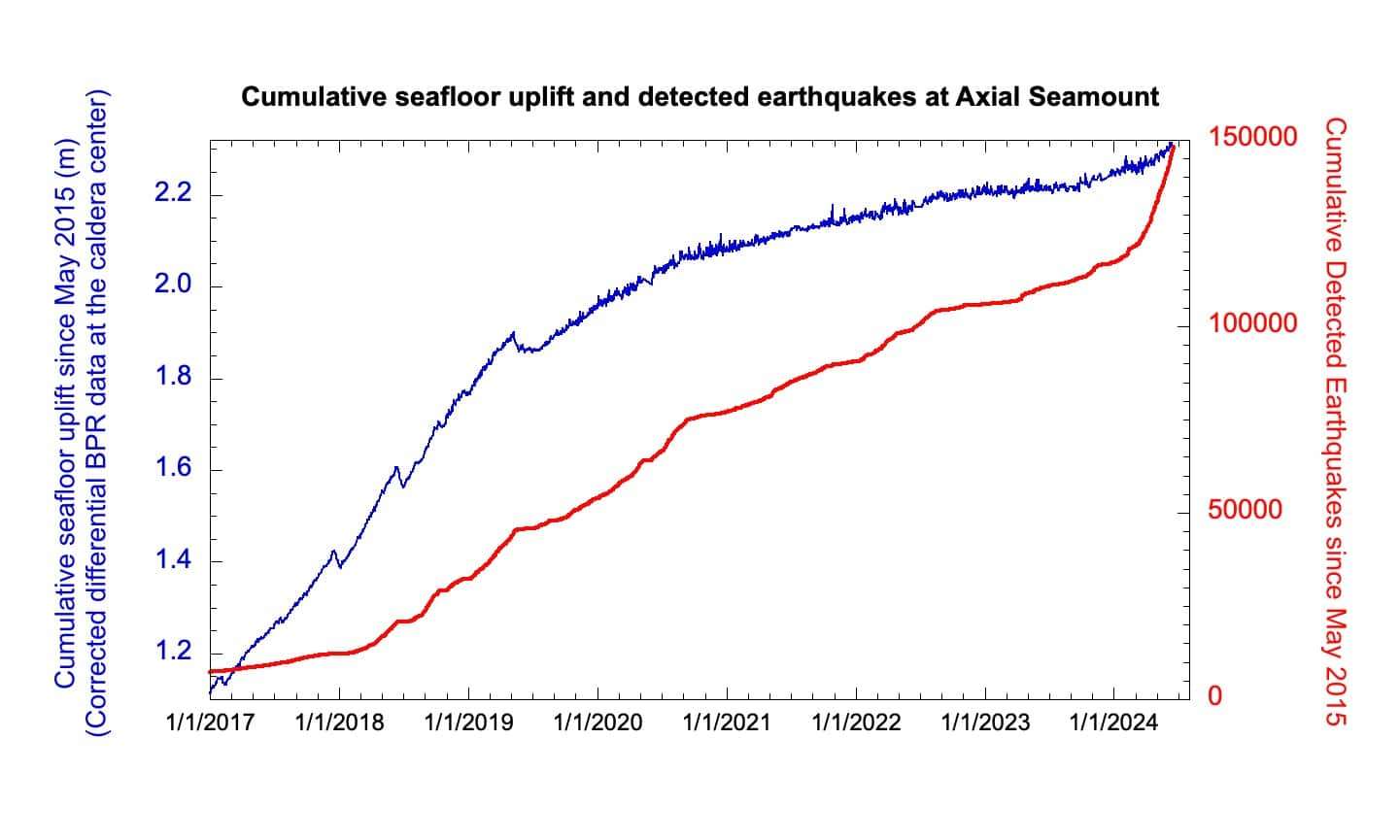
This inflation results from magma pressure lifting the seafloor. Since 1997, scientists have tracked these changes closely, noting current inflation levels match those just before the 2015 eruption. “It can’t do this forever,” Chadwick and Scott Nooner wrote, signaling an impending eruption.
Significant observations about the volcano’s behavior include:
- Seismic Patterns: An average of hundreds of micro-earthquakes happen daily, reflecting magma’s movement beneath the volcano.
- Magma Chambers: Recent analyses revealed several magma pockets unevenly distributed in the Earth’s upper crust below Axial.
- Eruption Mechanics: The link between the primary magma chamber and the seafloor eruption vents remains elusive, paving the way for more advanced exploration.
Why Studying Axial Seamount Is Crucial
Though Axial’s eruptions are not typically hazardous, it represents a unique environment to investigate volcanic phenomena. Its isolated position combined with relatively predictable eruptive cycles make it an excellent experimental platform. Chadwick comments, “We aim to translate insights here into broader understanding applicable to volcanoes worldwide.”
This research is especially impactful for refining eruption prediction models. By decoding the relationship between magma buildup and seismic signals, scientists enhance forecasting techniques—critical for managing risk around active volcanoes on land.
Important lessons for global volcanology include:
- Forecasting Tools: Axial’s reliable pre-eruption swelling helps create reference models for other volcanic systems.
- Magmatic Processes: Understanding how magma travels and pools beneath the surface informs broader geological theories.
- Seismological Surveillance: Continuous earthquake monitoring is vital for early detection of volcanic activity.
Looking Ahead: Preparing for Axial Seamount’s Next Eruption
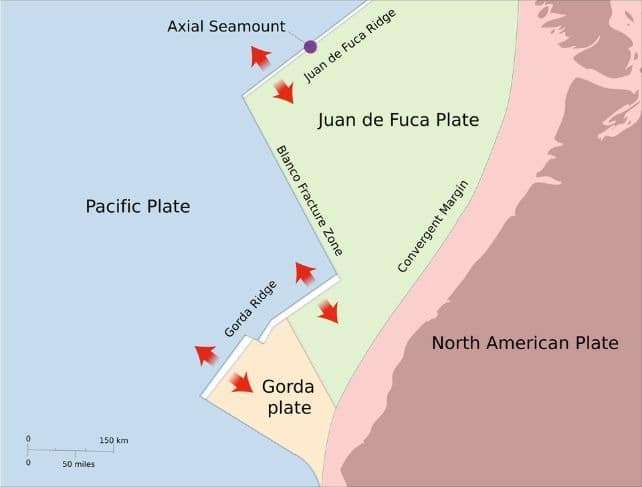
As the volcano continues to expand, experts gear up for what could be another significant eruption. Located along the boundary between the Juan de Fuca and Pacific tectonic plates, Axial sits in an area of intense geological change where new crust is born from molten rock pushing upward.
However, mysteries endure, such as why eruption fissures consistently cluster near the eastern caldera rim. Jidong Yang and collaborators observed that “The reason for the connection between the high-melt zone and the focusing of eruptive fissures… remains unclear.”
What remains certain is that Axial Seamount’s upcoming eruption promises to offer invaluable scientific data. By closely watching this underwater volcano, researchers strive to decode volcanic secrets, one magma chamber expansion at a time.
The latest findings are detailed in Nature.
- Categories:
- Science






0 comments
Sign in to Comment