
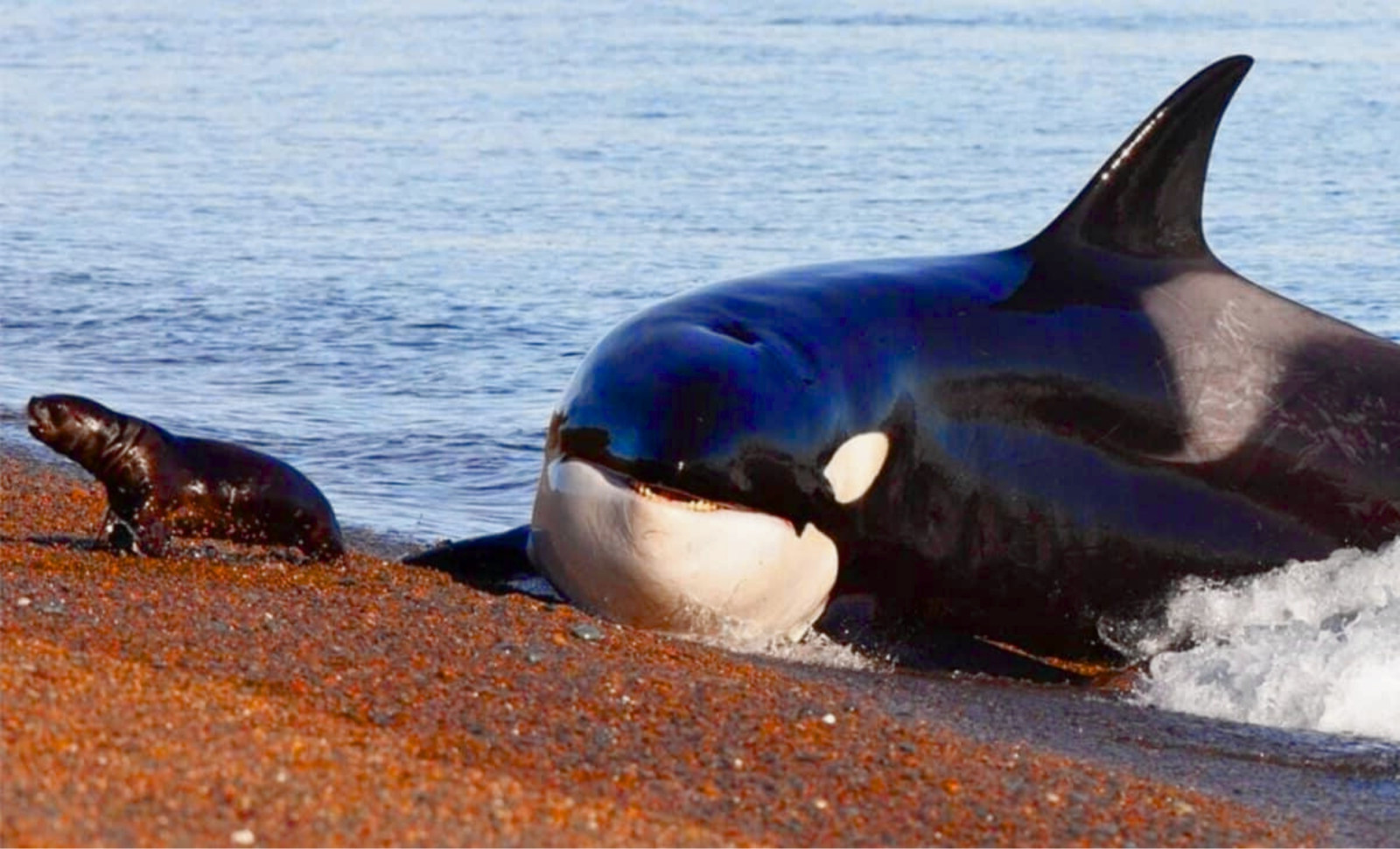
When a dolphin surfaces to breathe, it serves as a reminder of its terrestrial ancestry. Yet, evolution isn’t about looking backward. The very anatomy that necessitates breathing air also highlights how some land-origin mammals have become profoundly adapted to marine environments. A 2023 investigation published in Proceedings of the Royal Society B reveals that certain aquatic mammals have evolved so extensively for marine life that returning to land has become an unrealistic evolutionary possibility.
This conclusion is rooted not in a single species but arises from a comprehensive study led by Bruna M. Farina, Søren Faurby, and Daniele Silvestro. Their research scrutinized how mammals across different aquatic adaptations evolved and whether shifts between aquatic and terrestrial habitats are reversible, factoring in variables such as body size and diet.
Their findings present a nuanced picture: mammals more dependent on aquatic life have undergone largely irreversible changes, while those with partial or semi-aquatic lifestyles retain flexibility to move back to land.

Evolution’s Point of No Return
The most thought-provoking question is not whether dolphins or orcas evolved from land ancestors—that's well established. Instead, it’s whether some species have become so specialized for aquatic living that returning to terrestrial life is blocked.
The researchers analyzed a spectrum of species beyond just terrestrial and fully marine animals. This included freshwater and semi-aquatic mammals, often overlooked, because marine mammal evolution appears to be a gradual process with varying degrees of reversible change at different stages.
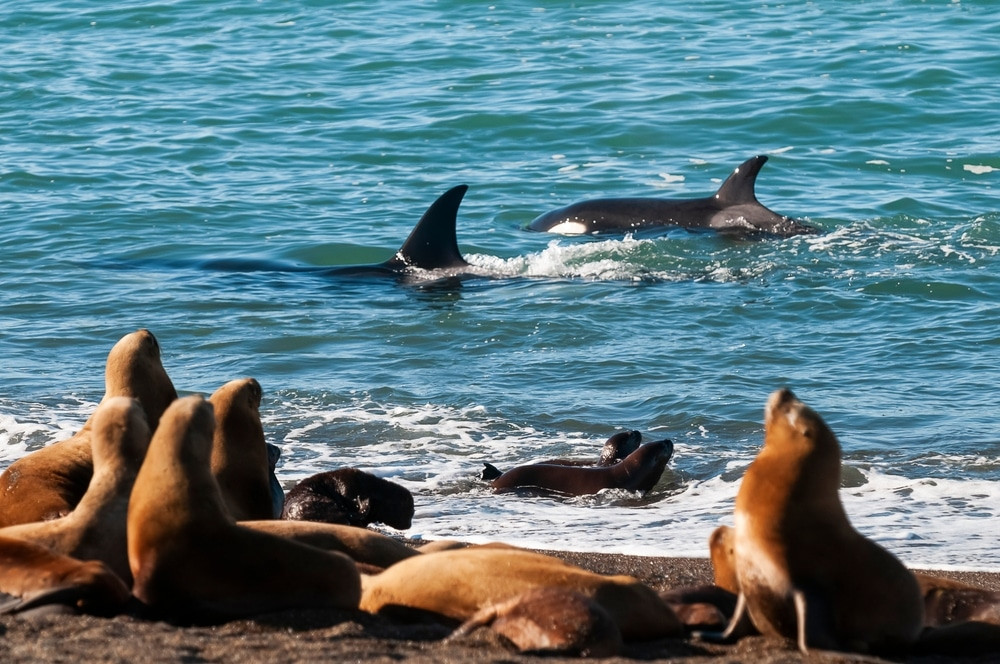
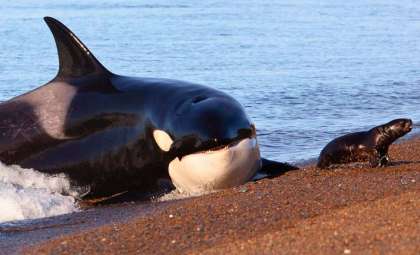
Cetaceans, such as dolphins and orcas, are key examples. Their physiology reflects a permanent water-based existence. According to the study, species highly reliant on aquatic habitats exhibit irreversible adaptations in line with Dollo’s Law. Meanwhile, semi-aquatic mammals maintain adaptations that support effective movement on land.
This distinction means animals like beavers, otters, and hippos differ fundamentally from dolphins or killer whales. Semi-aquatic mammals retain terrestrial abilities while fully aquatic species face different evolutionary constraints.
How Aquatic Life Drives Evolutionary Change
The transition to aquatic environments involves more than just the evolution of flippers. The study identifies a complex suite of traits evolving together. For mammals moving towards aquatic habitats, including semi-aquatic forms, researchers noticed trends toward larger relative body size and a stronger inclination toward carnivorous diets. These changes likely help regulate body temperature in water and meet the energetic demands of underwater ecosystems.
This complexity clarifies why dolphins returning to land would require coordinated evolutionary changes across locomotion, feeding, metabolism, and heat retention systems.
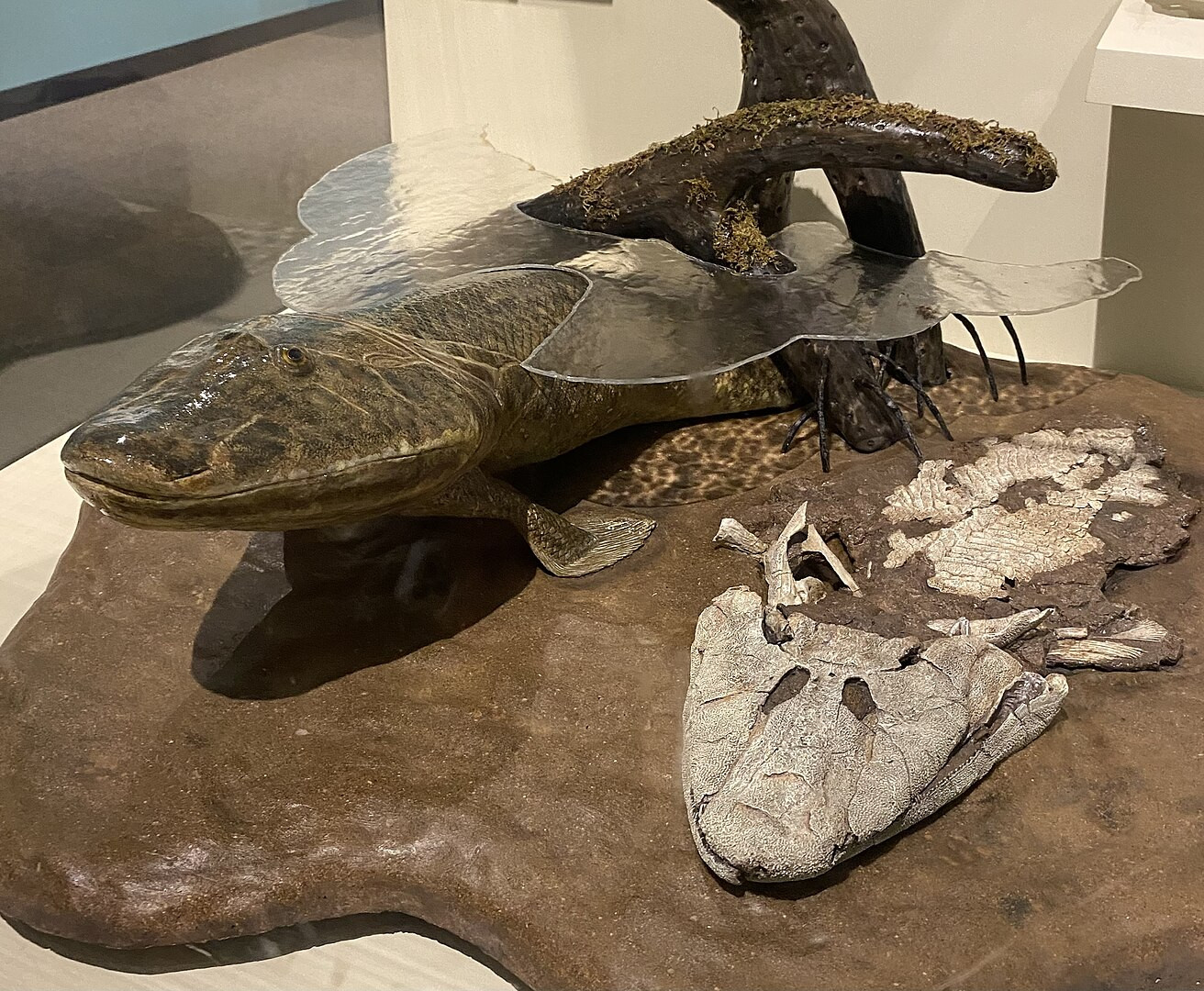
Because water dissipates heat faster than air, larger body mass provides a heat retention advantage. Additionally, predatory feeding strategies adapt to the demands of swimming, diving, and aquatic food chains. These traits interact and reinforce each other, making fully aquatic mammals distinct not only in movement but also in thermoregulation, feeding, and how they survive without bearing weight, relying on buoyancy instead.
The concept of an evolutionary point of no return arises from this cumulative specialization. As aquatic adaptations deepen and integrate, the likelihood of reverting to terrestrial life diminishes.
Species Maintaining Evolutionary Flexibility
A vital insight from this study is that not all water-adapted mammals share the same evolutionary outcome. Semi-aquatic species demonstrate that some reversibility remains, as they retain effective terrestrial locomotion abilities. Their evolutionary journey has not crossed the same irreversible threshold as fully aquatic mammals.
This distinction refines the study’s conclusions: evolutionary dead ends are not a consequence of merely entering aquatic habitats. Full dependence on water represents a decisive point where reversibility sharply declines.
This perspective reshapes discussions on cetacean evolution, dolphin adaptations, and marine mammal biology more broadly. Natural selection favors traits that provide immediate survival benefits. Once a lineage thrives in aquatic life, evolutionary pressures continually optimize those traits, gradually making a terrestrial return unfeasible.
Why Dolphins and Orcas Remain Bound to Water
While the paper doesn’t forecast individual species’ futures or claim evolution halts, it identifies a broad macroevolutionary trend among mammals: those heavily reliant on aquatic life exhibit largely irreversible adaptations, whereas semi-aquatic species preserve traits that could support a return to land.
Dolphins and orcas epitomize this commitment, their anatomies, diets, and ecological roles completely reshaped by marine existence. Consequently, the possibility of evolving back to terrestrial life seems improbable within this evolutionary framework.
For those curious if whales could reclaim land or dolphins grow legs, the study offers a grounded explanation. It’s not a matter of imagination but of biological specialization. Some mammals inhabit both worlds, but dolphins and orcas have firmly chosen one.
- Categories:
- Science








0 comments
Sign in to Comment