
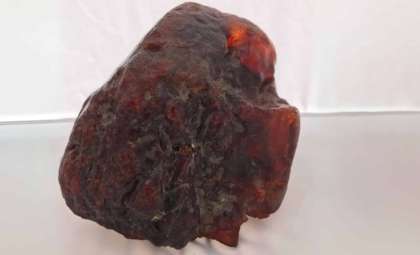
Researchers have for the first time discovered ancient insects preserved in amber in South America, as reported recently in Communications Earth & Environment. This amber, recovered from a sandstone mine in Ecuador, reveals an ancient forest dating back over 100 million years to the early Cretaceous period, a critical era when flowering plants were initially spreading across the globe.
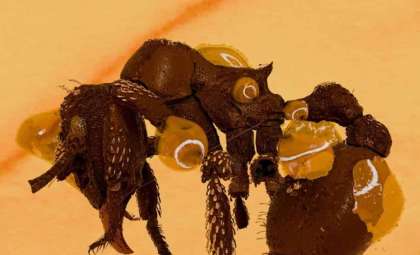
The findings go beyond mere intrigue. Within the resin, scientists identified tiny flies, ants, beetles, and wasps that became trapped while dinosaurs still roamed the Earth. Until now, nearly all significant amber deposits from the last 130 million years have come exclusively from the Northern Hemisphere.
An Ancient Forest Hidden Beneath the Amazon
Deep below the current Amazon basin, the fossil record reveals a dramatically different environment. The amber pieces originate from the Genoveva quarry, a site familiar to miners but previously unexplored through scientific investigation.

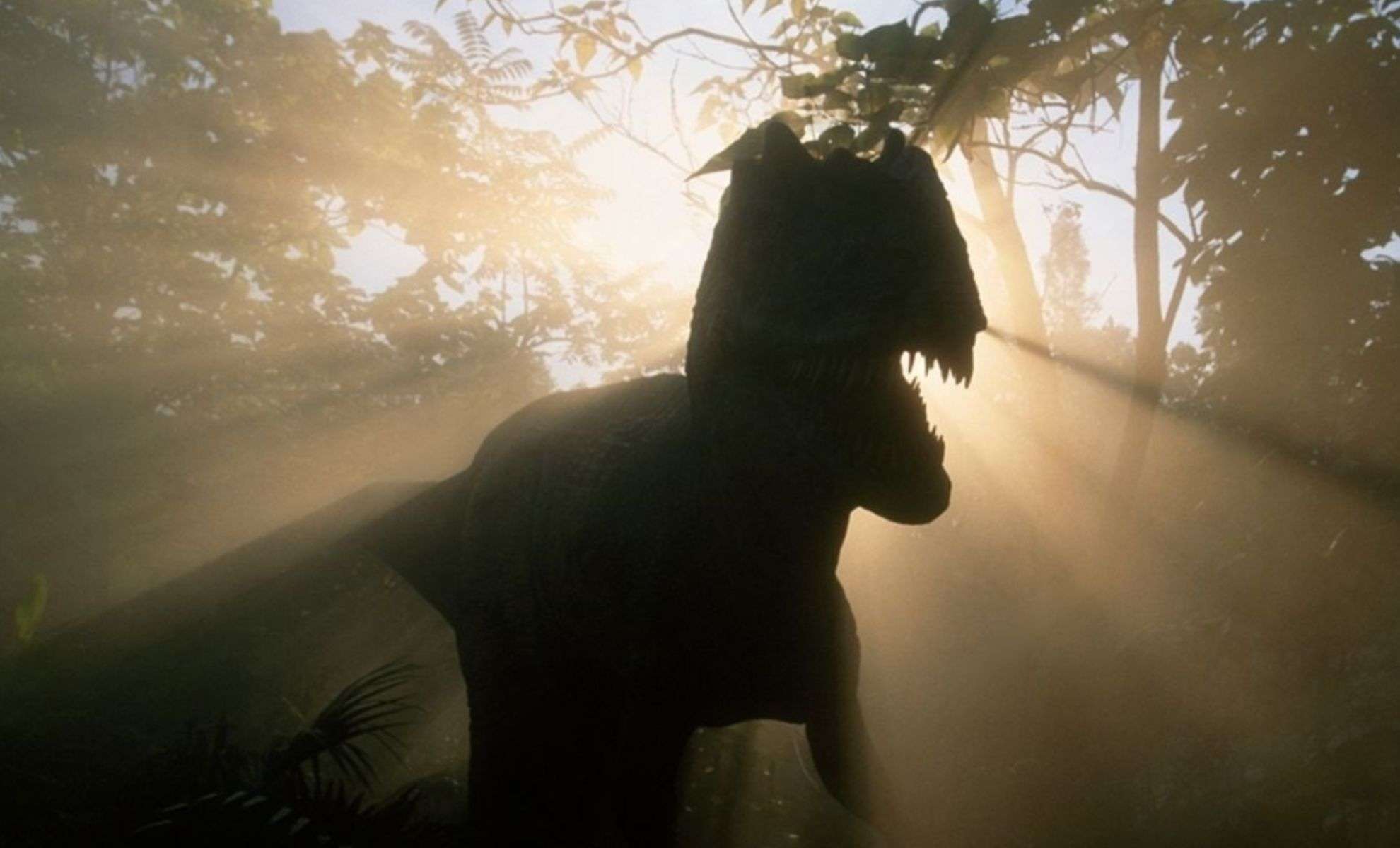
Fabiany Herrera, a fossil plant expert at the Field Museum in Chicago, describes this vanished forest as a moist, resin-rich ecosystem inhabited by extinct tree species such as ferns, conifers, and the rare Monkey Puzzle Tree, which no longer exists in Amazonia. Herrera highlighted that this environment represented an ecosystem vastly different from today’s Amazon, reflecting a now-altered climate and ecology.
The ancient tree resin trapped a variety of life forms including insects, plant fragments, and pollen grains. Over millions of years, this resin fossilized into amber, preserving intricate biological details with exceptional clarity.
Minuscule Fossils, Monumental Significance
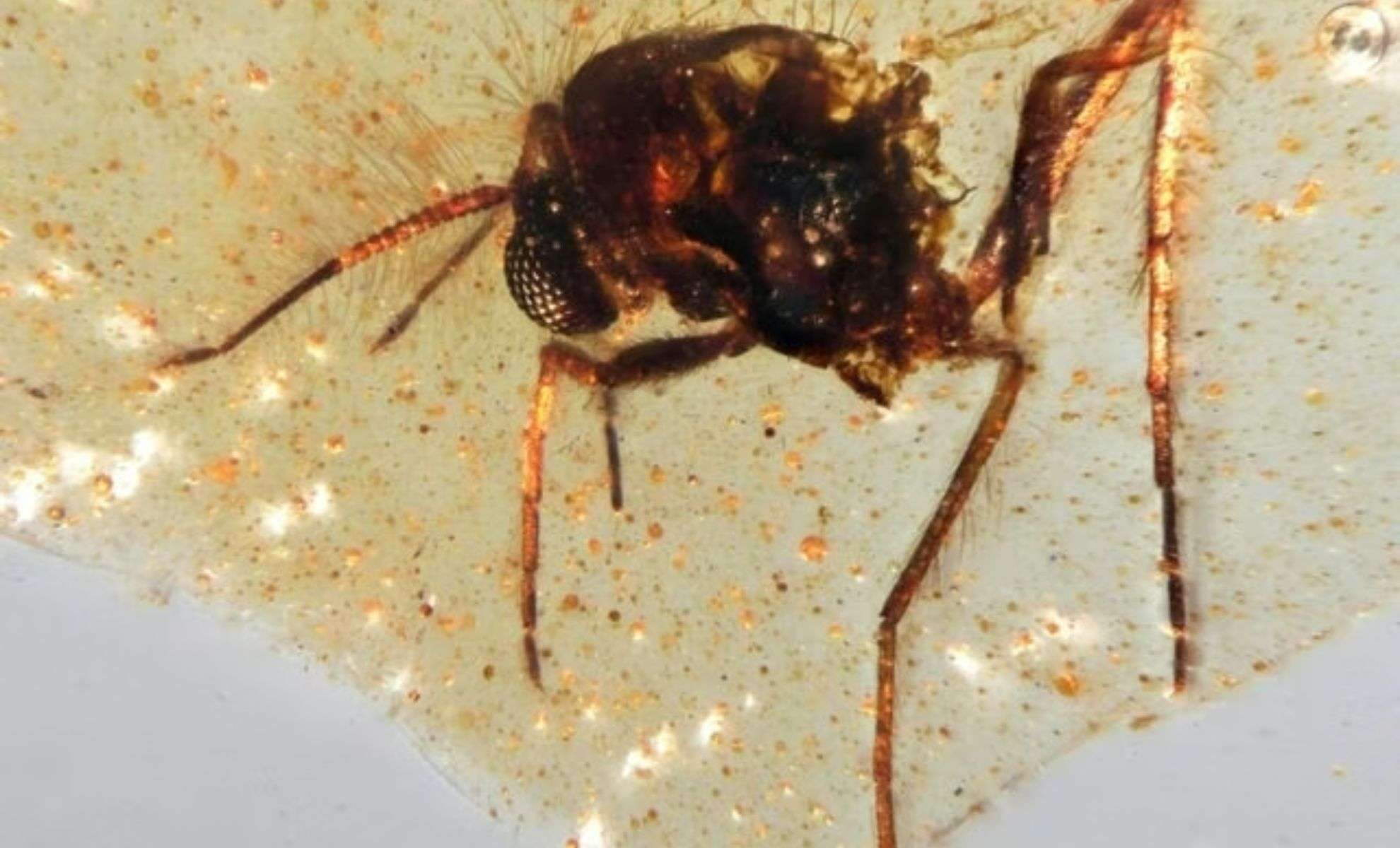
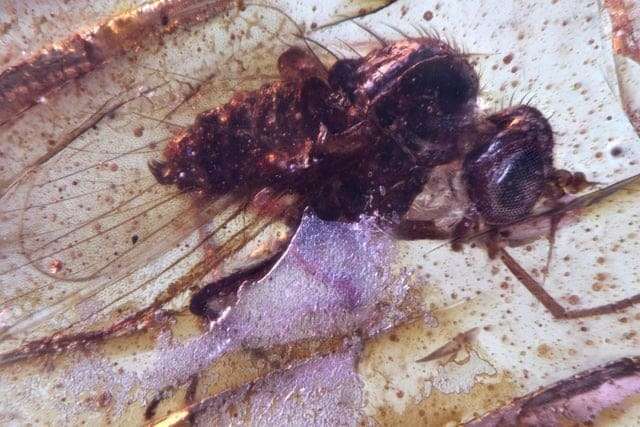
Within the amber samples, scientists found six categories of arthropods, including those from the Dolichopodidae family (long-legged flies) and Chironomidae (non-biting midges). The collection also contained fossilized pollen and leaf fragments.
Ricardo Pérez-de la Fuente, a paleoentomologist at the Oxford University Museum of Natural History who was not involved in the research, described these insects as “tiny portals to the deep past.” He emphasized how such fossils are crucial for understanding the co-evolution between insects and flowering plants.
David Grimaldi, an entomologist at the American Museum of Natural History, reiterated this point, noting that amber's exceptional preservation makes it ideal for studying diminutive organisms that fossils rarely capture.
Revealing a Prehistoric Treasure Trove
Long before the discovery gained attention, Carlos Jaramillo from the Smithsonian Tropical Research Institute had tracked amber deposits in the area through old field records. His targeted digs at the Genoveva quarry uncovered far more than anticipated.
“Upon seeing the site, I realized it was extraordinary,” said Jaramillo. “There's an abundance of amber, and because it's an open-pit quarry, the deposits are more accessible than those typically hidden within forests.” Over time, researchers gathered hundreds of amber fragments, many containing exquisitely detailed fossilized specimens.
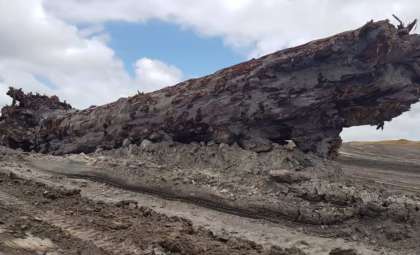
The research identified two varieties of amber: one originating underground near tree roots and another formed from resin exposed to the atmosphere. Notably, only the surface resin contained preserved life, whereas the plentiful underground amber lacked biological inclusions.
South America Joins Ancient Amber Discoveries
Until recently, the Southern Hemisphere's contribution to the global ancient amber record was nearly non-existent. Grimaldi noted this absence has been a puzzling “mystery”. This novel research confirms that South America, once part of the Gondwana supercontinent, housed amber-producing forests during the Cretaceous era.
Dating back roughly 112 million years, the amber and its contents mark a critical evolutionary phase. As flowering plants began to flourish, the insects trapped in Ecuadorian amber likely played vital roles in pollination and the diversification of plant life. Though small, these forest insects had a profound impact on Earth's ancient ecosystems.
- Categories:
- News





0 comments
Sign in to Comment