
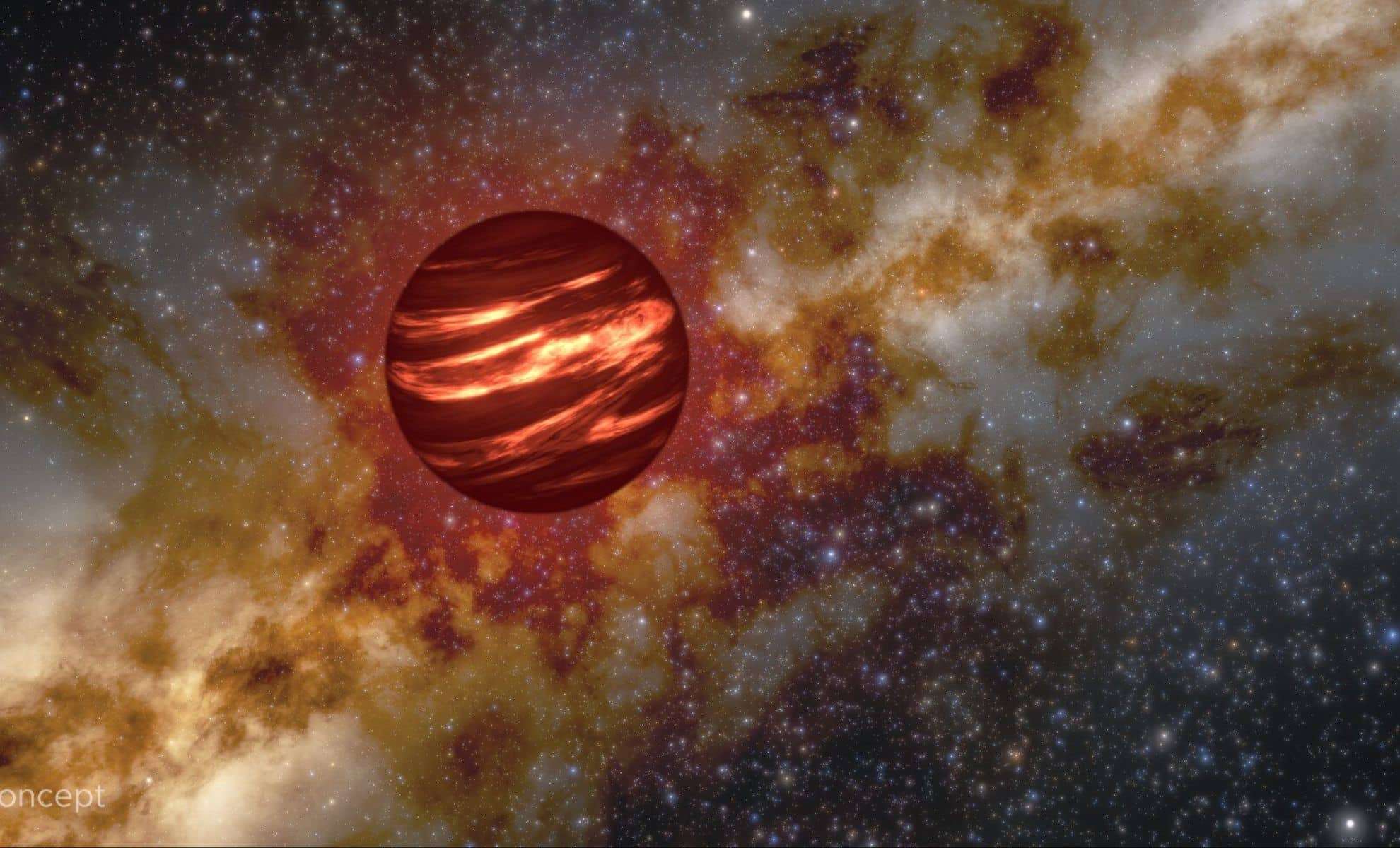
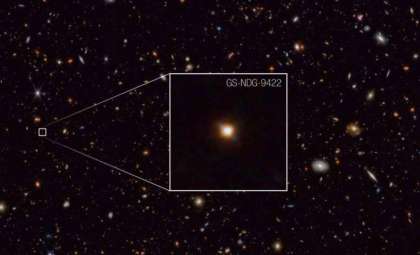
A recent investigation featured in Nature in September 2025 highlights a groundbreaking finding from the James Webb Space Telescope that resolves a persistent enigma in planetary science. This research centers on a remarkable brown dwarf dubbed “The Accident,” which has revealed critical information about silicon’s role in the atmospheres of planets like Jupiter and Saturn.
Understanding Brown Dwarfs: Insights from “The Accident”
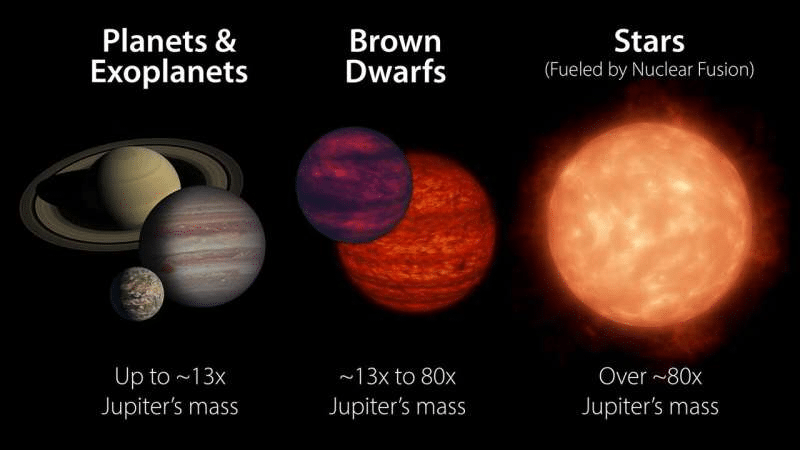
Brown dwarfs are celestial bodies that occupy a middle ground between planets and stars: too small to sustain fusion reactions yet too large to be classified as planets. Their atmospheres often resemble those of giant gas planets such as Jupiter and Saturn, making them valuable analogues for atmospheric studies. Positioned roughly 50 light-years away, The Accident is among the most ancient brown dwarfs known, estimated to have formed 10–12 billion years ago when the cosmos was dominated by hydrogen and helium with minimal heavier elements like silicon.
What distinguishes The Accident is its rare mix of characteristics. Initially tricky to detect due to its faintness and unique features blending those of both young and old brown dwarfs, astronomers leveraged the advanced capabilities of NASA’s Webb Telescope to conduct detailed observations. This led to a surprising detection: silane (SiH4), a silicon-containing molecule never previously identified in a brown dwarf’s atmosphere.

Decoding Silicon’s Presence in Jupiter and Saturn’s Skies
For many years, researchers have hypothesized about silicon’s presence in the gaseous envelopes of Jupiter, Saturn, and other similar planets, but confirming its presence remained elusive. Silicon typically bonds quickly with oxygen to create silicates, which then condense into clouds deep within these planets’ atmospheres. In the frigid conditions of gas giants, these silicon-bearing clouds descend too deep for current instruments to detect.
The study of The Accident provides a vital clue toward solving this puzzle. “Our aim wasn’t to address mysteries about Jupiter and Saturn when observing this brown dwarf,” said Peter Eisenhardt, WISE mission project scientist at NASA’s Jet Propulsion Laboratory. “Brown dwarfs are gaseous like stars but cool as they don’t have fusion, sharing atmospheres akin to gas giants. We wanted to understand what makes this object unique, and finding silane was completely unexpected. The cosmos keeps surprising us.”
Investigations revealed the presence of silane (SiH4), a compound where silicon bonds with hydrogen rather than oxygen. This discovery challenges prior atmospheric chemistry models for gas giants, which predicted silicon’s association with oxygen to form silicates. The deficit of oxygen in The Accident’s atmosphere may explain why silane appears there, unlike in other similar brown dwarfs or gas planets. This finding paves the way for fresh perspectives on planetary atmospheres and chemical compositions.
Implications for the Hunt for Life Beyond Earth
While the focus of this discovery lies in silicon chemistry within planetary atmospheres, its ramifications extend to the quest for extraterrestrial life. Studying brown dwarfs and other exotic celestial objects sharpens our tools for examining exoplanets orbiting distant stars. Facing unfamiliar atmospheric compositions will be vital as we assess those worlds’ habitability.
Expanding our grasp of unexpected chemical phenomena equips scientists to better investigate terrestrial, Earth-like planets throughout the galaxy.
- Categories:
- News




0 comments
Sign in to Comment