
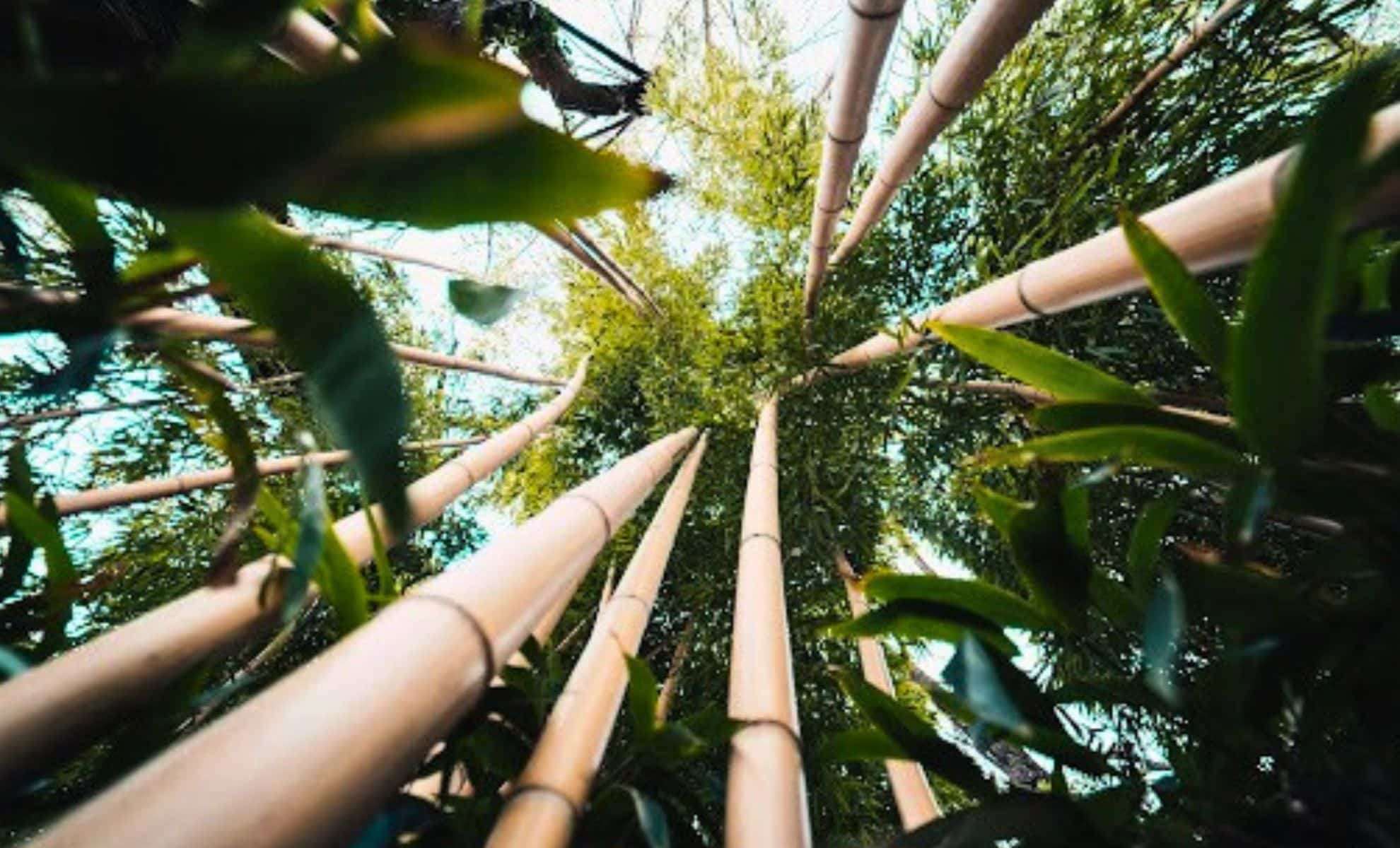
The Phyllostachys nigra var. henonis, a unique black bamboo native to Japan, fascinates botanists and nature lovers with its rare 120-year flowering interval. Unlike most flora that bloom regularly, this bamboo’s infrequent cycle sparks both scientific curiosity and environmental concerns.
What Drives the 120-Year Flowering Period?
Scientists are still investigating why Phyllostachys nigra var. henonis blooms roughly once every 120 years. A prominent explanation involves masting, an evolutionary adaptation enabling plants to synchronize mass flowering to saturate seed predators and boost seedling survival across large areas. This strategy potentially enhances the species’ chances of regeneration.
Yet, complications arise as recent observations, particularly the 2020 bloom, revealed many plants did not yield viable seeds. This challenges assumptions that sexual reproduction alone sustains the species.

Growth Through Clonal Propagation
Similar to other bamboo species, Phyllostachys nigra var. henonis primarily spreads asexually via rhizomes, underground stems that promote the expansion of dense colonies. This vegetative reproduction likely compensates for poor seed viability, facilitating survival despite the death of flowering culms, which leaves sections of forest temporarily empty before new shoots emerge.
Consequences of the Blooming Event
The 2020 flowering cycle led to marked environmental repercussions. Although approximately 80% of the bamboo initiated flowering, researchers found no germinable seeds, raising doubts about the species’ dependence on sexual reproduction.
Dr. Yamada explains:
“This lack of seed viability suggests that the species may depend on other methods for propagation. It raises critical questions about its long-term sustainability.”
Following the mass flowering, the widespread die-off has left forested areas barren, disrupting habitats for wildlife dependent on bamboo and opening niches for invasive plant species to establish.
Impact on Ecosystems and Local Populations
Phyllostachys nigra var. henonis is vital for soil retention, playing a key role in preventing erosion and mitigating flooding, issues exacerbated by climate change. Its absence increases vulnerability to landslides and flood events.
Additionally, this bamboo supports regional economies through its use in building materials and artisanal crafts, making its periodic mortality a challenge for communities that depend on it.
Strategies for Protecting Bamboo Habitats
With the next flowering cycle not expected for another century, scientists emphasize the need for active ecosystem management. Effective restoration and forest stewardship during the interim decades are crucial to limit ecological disruption.
Dr. Yamada cautions:
“We may need to intervene to manage these changes. After the next blooming event, proactive measures will be essential to maintain ecological balance and protect the benefits that bamboo forests provide.”
The remarkable Phyllostachys nigra var. henonis demonstrates nature’s complex cycles—its rare flowering both awe-inspiring and fraught with risk. Unraveling its reproductive habits while pursuing sustainable forest management is crucial to conserving this iconic species and the ecosystems it supports.
Successfully balancing conservation priorities with ecosystem health will be essential to averting substantial environmental impacts on Japan’s bamboo landscapes.
- Categories:
- Science











0 comments
Sign in to Comment