
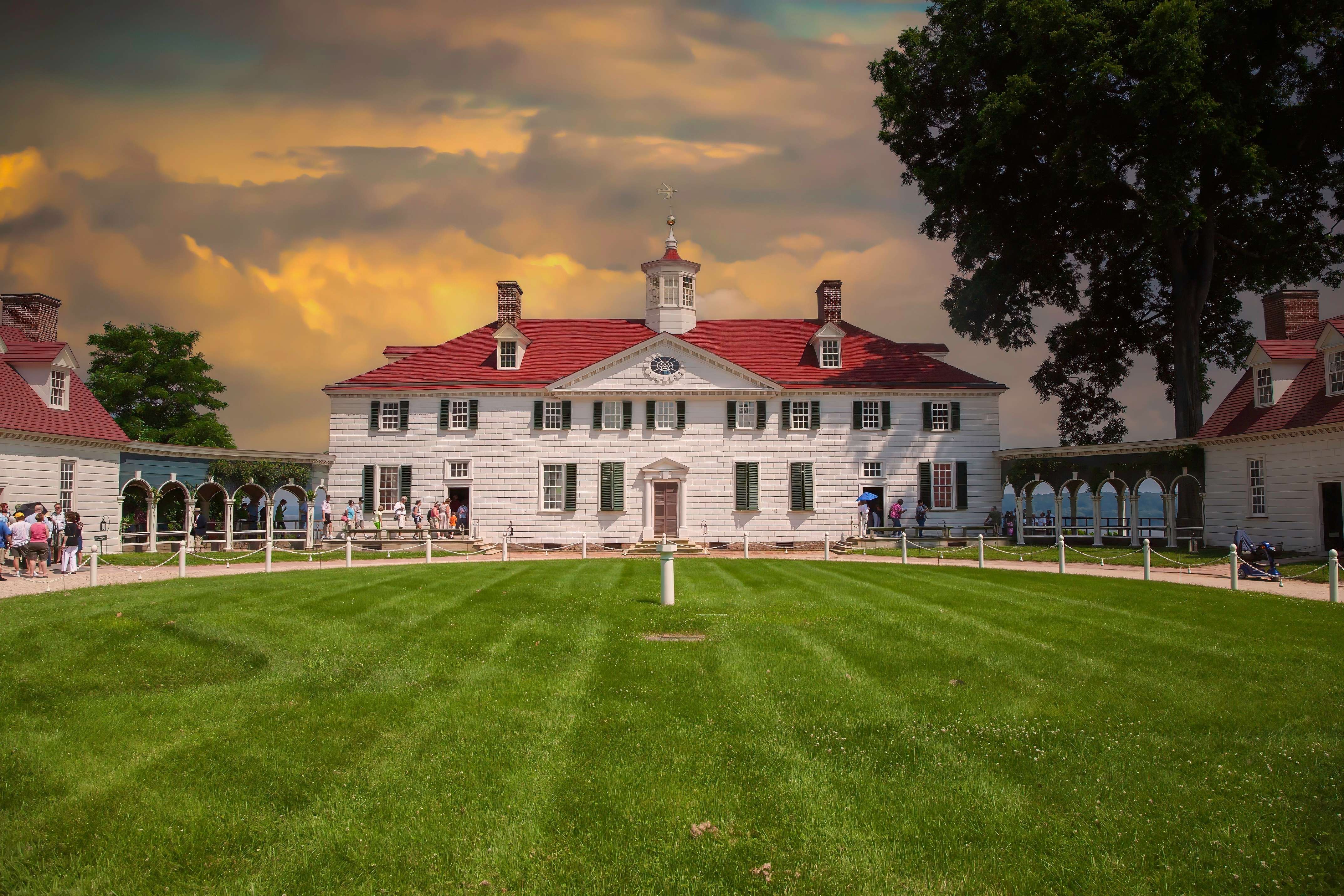
During a significant restoration at Mount Vernon, archaeologists unearthed two glass bottles beneath a brick foundation. These containers, traced back to the 1740s-1750s, held cherries, pits, stems, and an enigmatic sticky substance. This rare find has intrigued historians and archaeologists by offering a peek into colonial-era life.
Nick Beard, the lead archaeologist involved, revealed to The Washington Post that the site was once used as a storage area. To safeguard the contents, specialists divided the liquid into 15 smaller vials for detailed scientific study. Lily Carhart, who oversees preservation at Mount Vernon, noted that the analysis of the liquid remains in progress.
This discovery draws parallels to other historical finds, such as the fossilized teeth of an 11-year-old that shed light on childhood in human history. Each artifact enriches our understanding of life during past centuries.

Debating the contents: what could be inside these bottles?
Experts have proposed two primary explanations regarding what these bottles might contain:
- Cherry Bounce hypothesis: A segment of researchers believes the liquid resembles “Cherry Bounce,” a colonial-era drink combining cherry juice, brandy, and other elements, reputedly favored by George and Martha Washington.
- Fruit preservation theory: Another viewpoint suggests these bottles were used as an early method to preserve fruit, possibly by the enslaved people working at Mount Vernon.
The Cherry Bounce idea faces skepticism since the colonial beverage was typically stored in larger receptacles. Meanwhile, the preservation theory gains traction given Mount Vernon’s vast cherry orchards and the practical need to store food for extended periods.
Regardless of the interpretation, Beard expressed enthusiasm about the find, highlighting that such remarkably intact artifacts are uncommon and provide vital insights into daily activities during Washington’s lifetime.
Mount Vernon and George Washington: understanding the historic setting
The discovery’s significance is amplified when considering Mount Vernon’s rich history and its association with George Washington. Born in Virginia in 1732, Washington acquired the estate in 1761 and devoted much effort to expanding its fields and structures.
The estate functioned not only as a home but also as a prosperous plantation, reflecting Washington’s prominence. It featured:
- 21 rooms in the mansion
- Gardens spanning more than 2 hectares
- Various auxiliary buildings and workshops
- Extensive farmland
Maintaining such a large property depended heavily on enslaved labor, with over 300 individuals enslaved at Mount Vernon during its most active years. This aspect adds depth and complexity to understanding Washington’s legacy and interpreting artifacts from the site.
Continued conservation and revelations at Mount Vernon
Mount Vernon remains a vital symbol of early American heritage and continues to unveil new historical treasures. Preservation initiatives are crucial to safeguarding the estate and enabling discoveries like the cherry-filled bottles.
This glass bottle discovery highlights how ongoing archaeological exploration at historic locations continually reshapes our knowledge. With studies on the bottle contents underway, historians and archaeologists look forward to what insights will emerge about colonial living and Washington’s personal life.
Sources : Washington Post, Live Science
- Categories:
- Science













0 comments
Sign in to Comment