
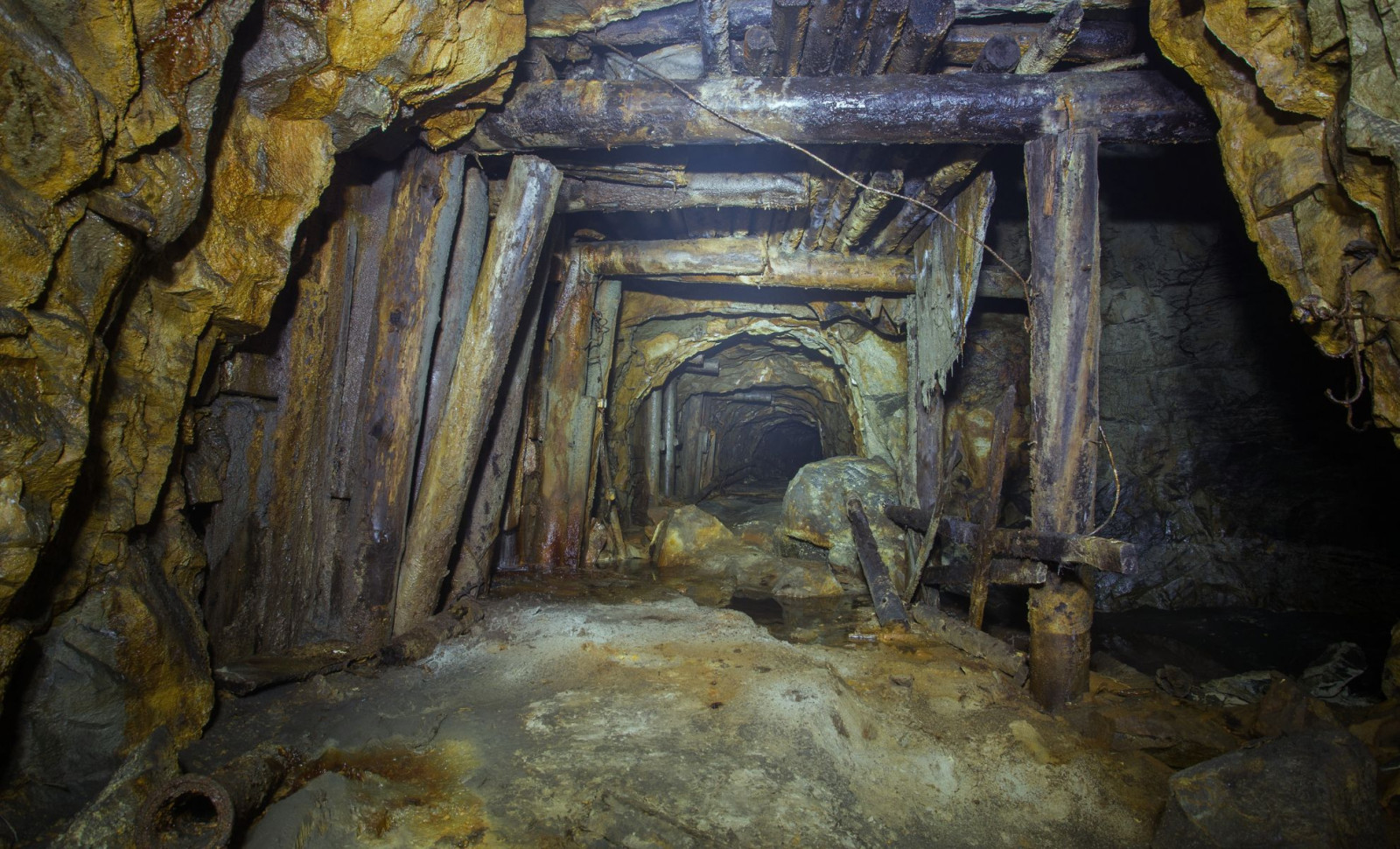
Intense rainfall was causing unexpected shifts in air circulation deep within the Sanford Underground Research Facility, perplexing engineers until detailed studies revealed that rainwater descending a mine shaft was momentarily pushing air through the ventilation system.
Maintaining a safe underground environment relies not only on robust infrastructure but also on precise regulation of fresh air and water drainage. At SURF in South Dakota, this balance between airflow and water removal unveiled an unforeseen interaction.
The phenomenon came to light when staff observed irregular ventilation patterns during heavy rain, as documented by the South Dakota Science and Technology Authority. Airflow occasionally slowed or even reversed, puzzling the engineering team.

Rain Influences Subsurface Air Circulation
Jason Connot, a mining engineer at SURF since 2019, was among the first to detect these anomalies.
“We noticed our fan would go haywire at 5 Shaft. Some areas would show reduced or even reversed airflow during large rain events,” Connot said.
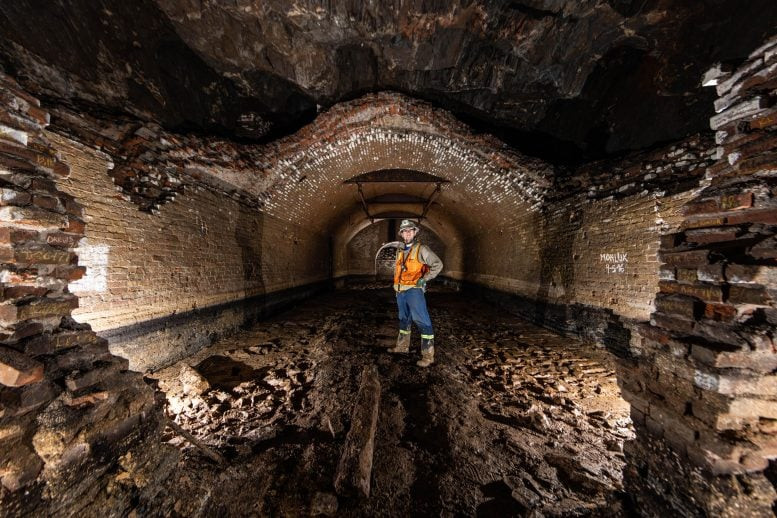
Under normal conditions, fresh air is brought into the facility through two intake shafts and exhausted through two outflow shafts. However, one exhaust shaft, called 5 Shaft, doubles as a water channel during heavy rain. When water inflow surpasses pumping capacity, excess rain funnels into this shaft, leading into a large subterranean reservoir before being moved back to the surface.
The link between the descending water and airflow shifts was initially unclear, even as the effects were evident.
Advanced Sensors Uncover the Cause
The installation of Maestro airflow sensors on SURF’s 2000 Level was pivotal, providing detailed data on air movements within the facility.
As detailed on the Sanford Underground Research Facility website, valuable input came from Steve Gabriel, a science teacher, and his students. Their custom airflow monitors registered a surge in air movement during a test involving the shaft’s deluge system at the 4850 Level.
“We felt that airflow increase on the 4850 Level during that test. That’s what made the correlation and triggered everything,” Connot said.
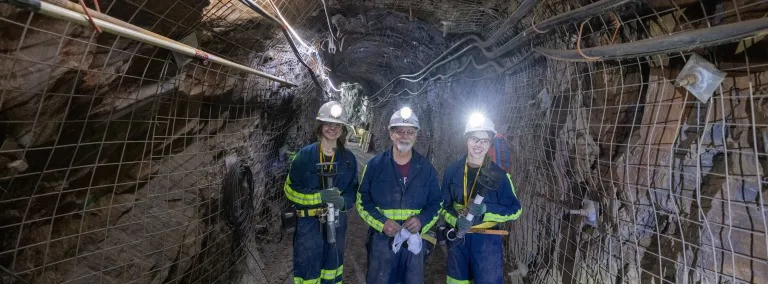
The team concluded that the cascading water within 5 Shaft was acting like a massive piston, driving air through the ventilation network as it fell.
A relevant study published in Mining, Metallurgy & Exploration discussed similar phenomena in large-scale urban sewer systems. Connot and his colleagues applied that fluid dynamics framework to SURF’s layout, confirming the theoretical and observed airflow patterns aligned closely.
“When we added our numbers and parameters to the model, everything came out spot on,” Connot said. “You would not think the weight of water droplets could move so much air.”
Improving Safety Measures Underground
This insight extends beyond rainfall events; emergency scenarios involving copious water use, like underground fires, also alter ventilation.
“If there’s ever a fire, mining engineers will sometimes turn a valve on up top and just dump water down the shaft. Knowing this can change the air flow is critical information for everyone. We tested this, we’ve seen it occur,” Connot said.
Thanks to the research, SURF can now better forecast ventilation responses when large water volumes enter the shafts. Bryce Pietzyk, SURF’s underground operations director, highlighted that these findings enable preemptive adjustments to ventilation before airflow disturbances arise.
- Categories:
- News







0 comments
Sign in to Comment