
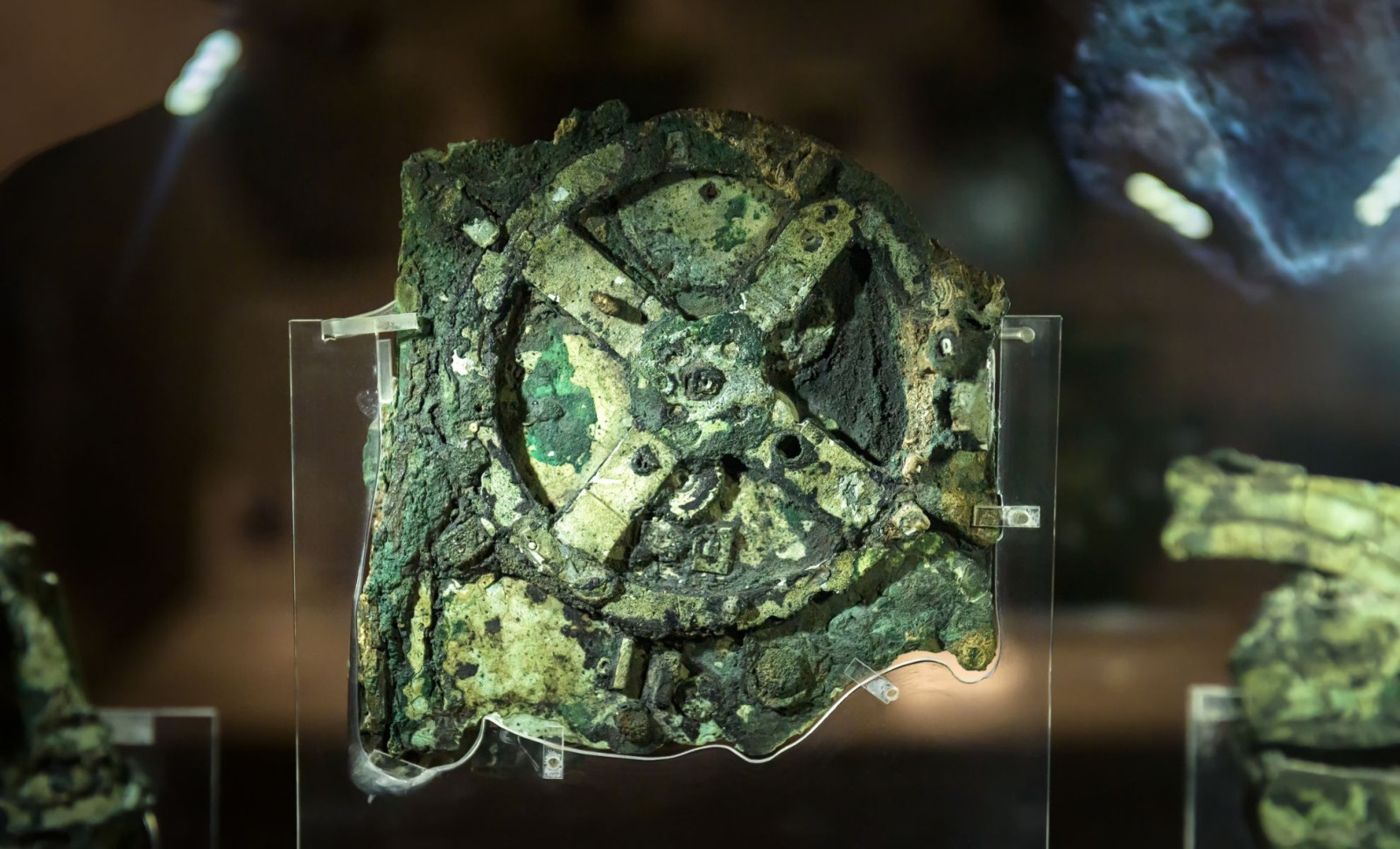
An ancient, corroded device recovered from a shipwreck is upending traditional views on the history of computing. Fresh research now sheds light on one of the enduring enigmas of the Antikythera mechanism, demonstrating how it may have tracked time with incredible accuracy.
For many years, this archaic apparatus has stood apart in archaeological studies. Its complex network of gears and dials implied a sophistication rarely attributed to ancient technology. The latest revelations come courtesy of a 2024 investigation by scholars at the University of Glasgow, who used advanced statistical approaches to challenge previous interpretations.
Reevaluating the Origins of Computing Technology
The Antikythera mechanism was unearthed in 1901 from a Roman-era shipwreck near the Greek island of Antikythera. Thought to date back to the early first century BCE, it’s considered the earliest known analog computer.

Its sophisticated construction, featuring interlocking bronze gears, appears to model movements of celestial bodies. As detailed in The Horological Journal, scientists have long believed the mechanism was designed to monitor astronomical phenomena, although its precise mechanisms remained uncertain for over a century.
This lingering doubt made it one of archaeology’s most intriguing mysteries. Initial comparisons aligned this device with modern computing landmarks like the ENIAC. However, this mechanism precedes such inventions by almost 2,000 years, forcing a reevaluation of the timeline of technological breakthroughs.
Decoding Ancient Engineering Mastery
A recent advance came when researchers Graham Woan and Joseph Bayley harnessed tools not traditionally used in archaeology. According to the University of Glasgow’s report, their approach combined Bayesian inference with analytical techniques originally developed for discovering gravitational waves, phenomena studied by facilities like LIGO.
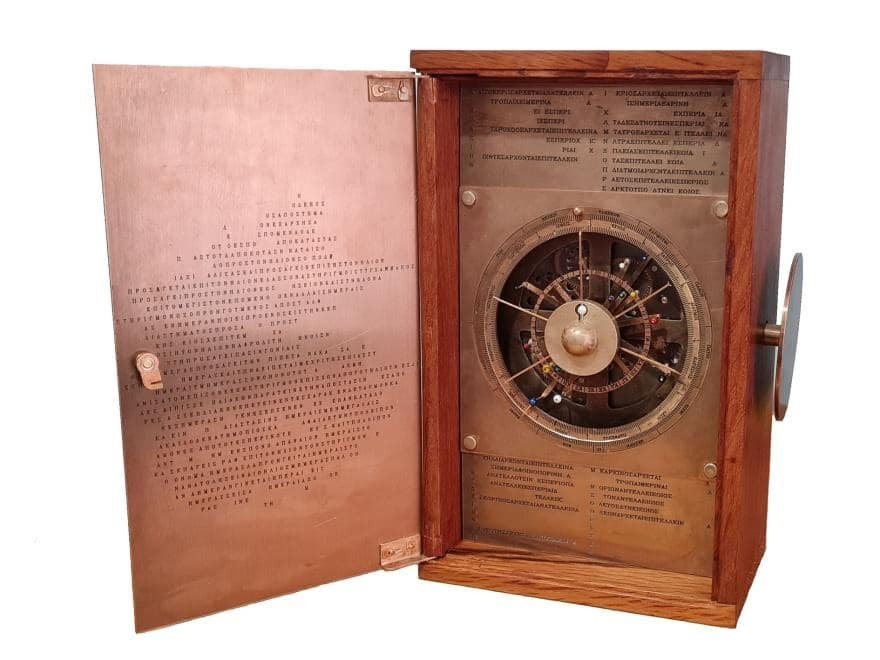
Their focus was the mechanism’s calendar ring, a circular element thought to represent cycles of time. By closely examining available data, they concluded that the ring probably contained 354 to 355 holes, which corresponds with a lunar year.
“Previous studies had suggested that the calendar ring was likely to have tracked the lunar calendar, but the dual techniques we’ve applied in this piece of work greatly increase the likelihood that this was the case,” Bayley explained. “It’s given me a new appreciation for the Antikythera mechanism and the care Greek craftspeople put into making it.”
The device’s design showcases astonishing accuracy. The holes were positioned on a circle with a radius of roughly 77.1 millimeters, spaced apart by just 0.028 millimeters, reflecting a level of precision rarely attributed to ancient craftsmanship.

A YouTube Maker Sparks a Scientific Breakthrough
The research was sparked by a contemporary effort to reconstruct the ancient device. YouTuber Chris Budiselic, who operates the channel Clickspring, had been chronicling his attempt to build a replica. As Graham Woan noted, this raised a measurable question amenable to statistical investigation.
“A colleague pointed me to data acquired by YouTuber Chris Budiselic, who was looking to make a replica of the calendar ring and was investigating ways to determine just how many holes it contained,” Woan explained. “It struck me as an interesting problem, and one that I thought I might be able to solve in a different way during the Christmas holidays.”
This unexpected collaboration between practical reconstruction and academic analysis highlights how fresh approaches continue to unlock new understandings of time-tested artifacts.











0 comments
Sign in to Comment