
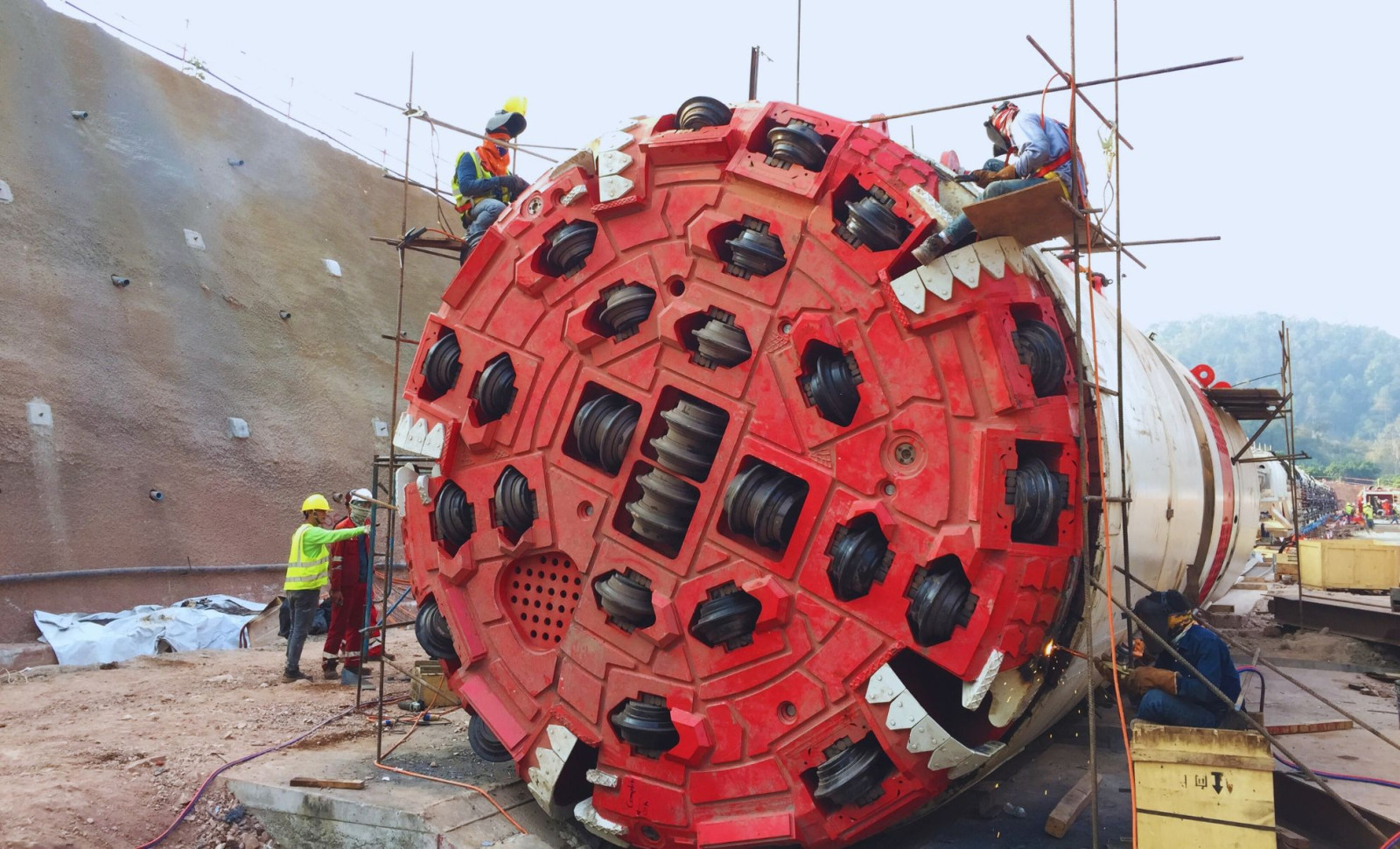
In an impressive feat of engineering, a team of Chinese experts successfully rescued a tunnel boring machine (TBM) that had become immobilized 177 feet below ground under the Yangtze River. By deploying a second TBM, the team was able to recover the trapped equipment, saving both the costly machinery and the crucial tunnel project.
The incident occurred during the construction of the Jiangyin–Jingjiang Yangtze River Tunnel, a key underground road route stretching four miles beneath one of China’s busiest waterways. When the primary TBM unexpectedly malfunctioned deep underground, the engineers faced a critical dilemma. Abandoning the machine or halting work were considered, but the team chose a daring alternative: use a twin TBM to retrieve the stalled unit.
Confronting the Challenge of Extracting a Buried TBM
The situation was dire. With the TBM resting far below the surface under intense river pressure, conventional recovery tactics were impractical. The machine could not be safely dismantled or repaired on site. The team’s options boiled down to scrapping the equipment or innovating an unprecedented solution.

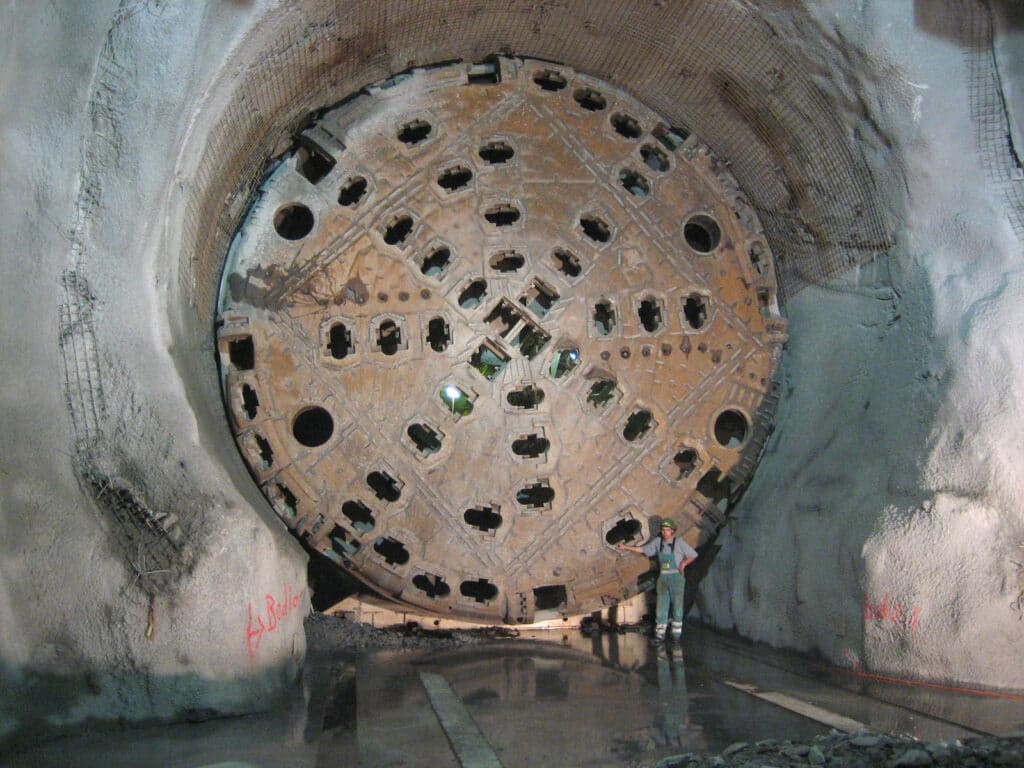
They opted for the latter, launching a second TBM from the opposite riverbank and steering it directly toward the stuck machine. This maneuver demanded precise prediction of subterranean soil movements to guarantee the machines met correctly underground. Even the smallest miscalculations risked severe repercussions.
Executing a High-Stakes Recovery with Unmatched Accuracy
The success hinged on meticulous calculations and millimeter-level control over ground shifts and machine navigation. Precision was vital, with a narrow tolerance of mere millimeters. According to a South China Morning Post article, the two TBMs docked underground with an astonishing vertical alignment error of only 2mm. This "mid-tunnel docking" represents one of the most challenging tasks in tunnel engineering.
Such an achievement highlights the sophistication of modern tunneling tools. The implementation of ultra-precise control mechanisms enabled the team to coordinate the TBMs perfectly, minimizing horizontal discrepancies. This breakthrough is being heralded as a landmark achievement, offering valuable insights for future subterranean and underwater engineering challenges.
New Horizons in Complex Tunnel Engineering
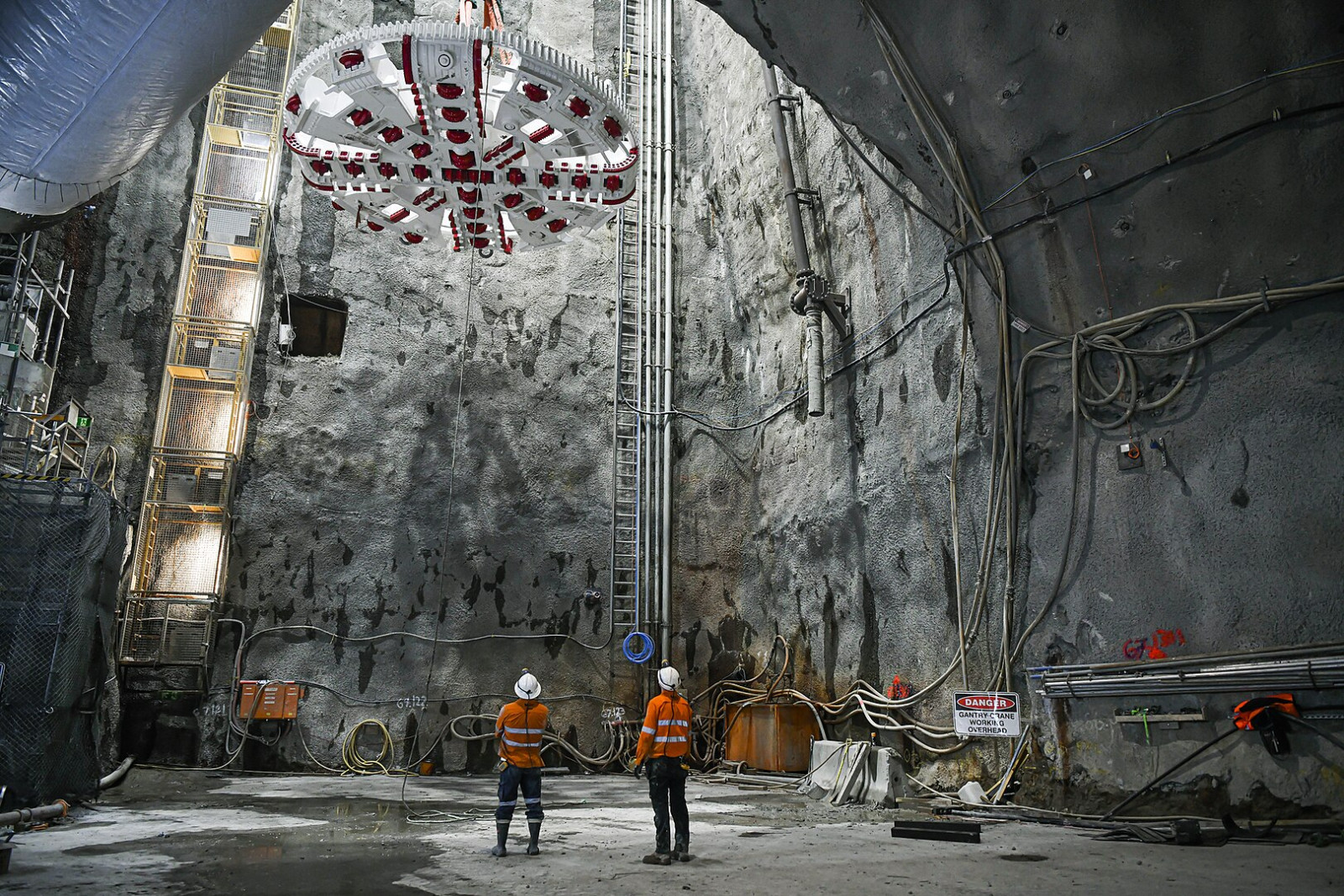
This successful recovery paves the way for bolder underground construction ventures. As discussed by Interesting Engineering, it proves that challenging rescues beneath rivers and other demanding environments are achievable with current technology.
The operation also emphasizes the advancement of tunneling control systems. With ongoing development of large-scale projects such as subway tunnels and underwater infrastructure, the experienced gained here can reduce potential setbacks, lower costs, and ensure continuity even after unforeseen equipment failures—setting a new standard for tunnel construction worldwide.
- Categories:
- News








0 comments
Sign in to Comment