
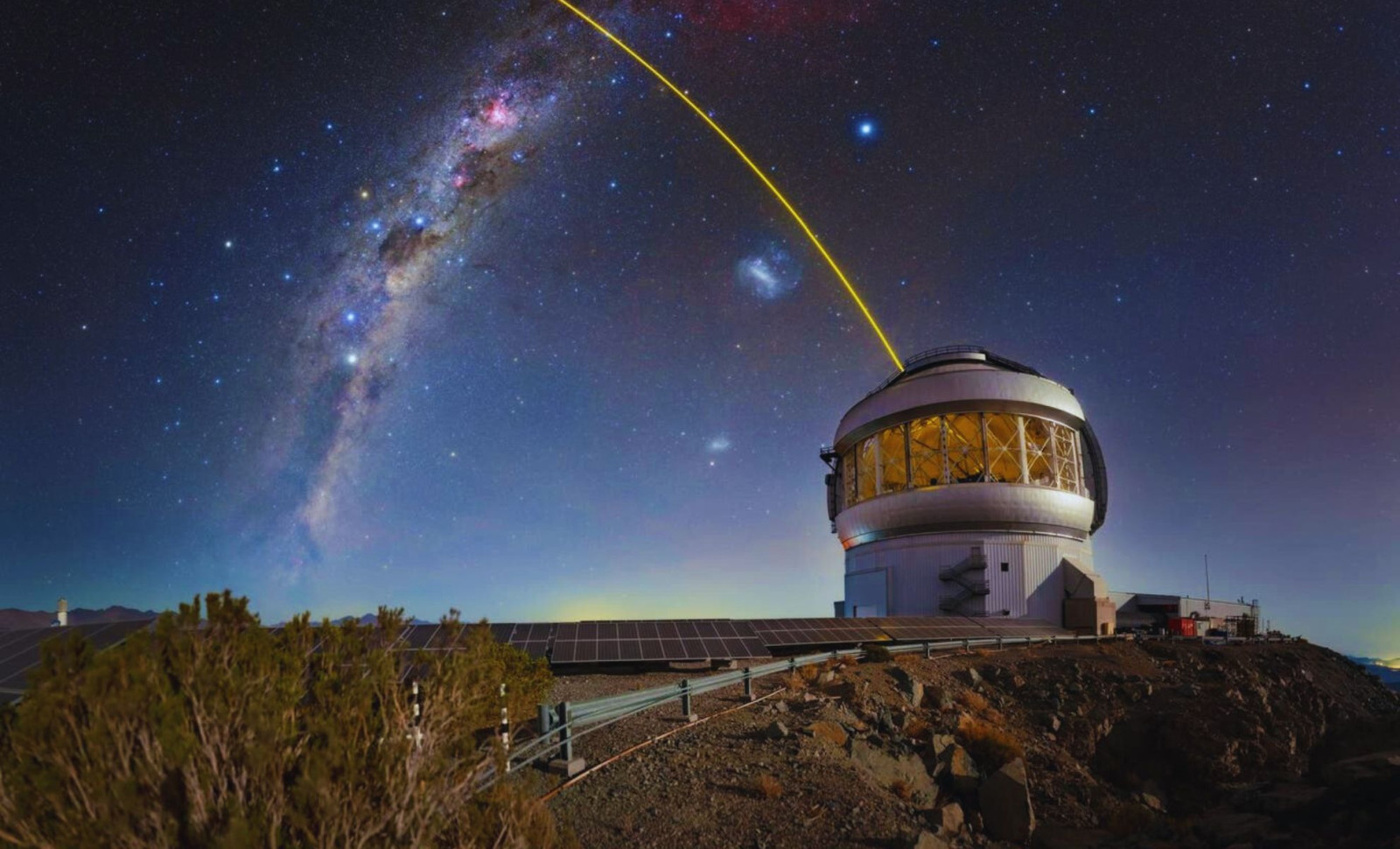
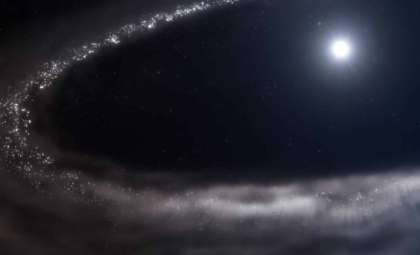
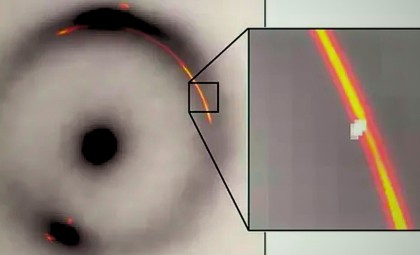
Scientists have uncovered an immense cloud composed of vaporized metals orbiting an enigmatic source deep in the cosmos. Captured by the Gemini South telescope, this dense metallic cloud obscured a star’s light for nearly nine months, sparking intrigue and debate within the astronomical community.
Nicknamed Cloud-9, this peculiar formation displays an extraordinary chemical makeup and dynamic characteristics that set it apart from known celestial entities. Its detection hints at the existence of novel matter forms or remnants of incomplete galactic systems.
A Mysterious Nine-Month Star Dimming Leads to Discovery
The mystery began when astronomers observed a star dimming continuously over an unprecedented nine-month span—far beyond typical exoplanetary eclipses. As detailed in the Astronomical Journal, this unusually lengthy light reduction prompted a detailed spectroscopic study.

Results revealed partial absorption of stellar light by metallic vapors—primarily iron and magnesium. This indicated a vast and swiftly moving cloud of vaporized metals, differing significantly from the usual interstellar dust or typical star system phenomena.
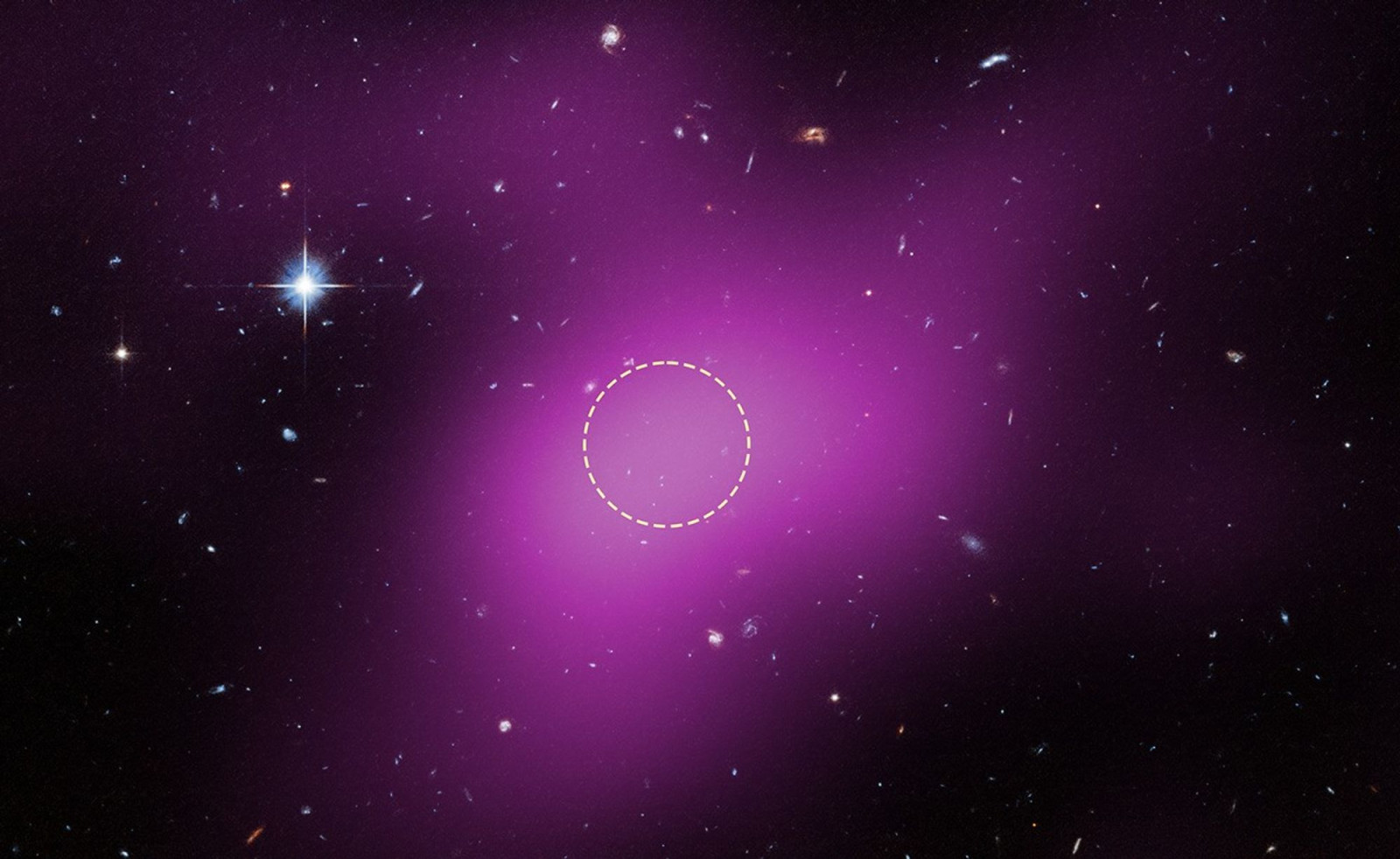
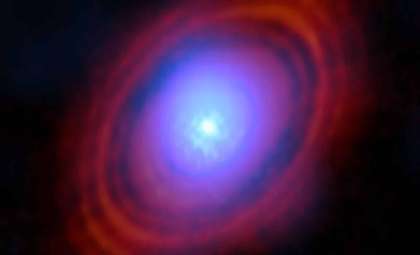
Rather than forming a comet-like tail or disk, the metallic gases appeared to be loosely orbiting an unseen core, leading scientists to propose that this represents an enormous envelope of metal-rich gas.
Metal-Rich Composition Points to Extreme Origins
Analysis of spectral fingerprints confirmed the cloud's composition is dominated by metals such as iron and magnesium, elements typically associated with extreme environments like stellar cores or aftermaths of high-energy cosmic events.
The persistence and orbital patterns suggest strong gravitational forces at work, even though the central mass remains unseen and undefined.
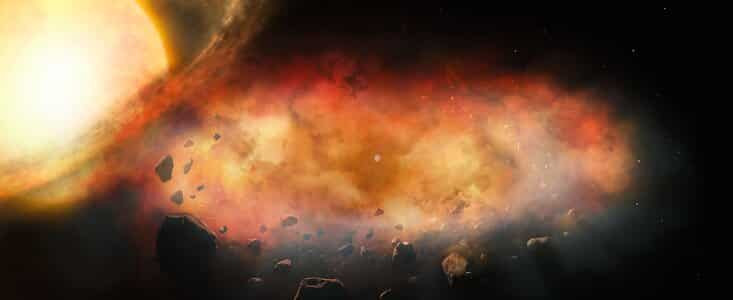
This metallic composition makes Cloud-9 unique among known cosmic structures. Its stable, prolonged presence indicates an unusual system where the metals remain gaseous due to intense heat or collisions in the past.
Theoretical Dark Matter-rich Origin Behind the Phenomenon
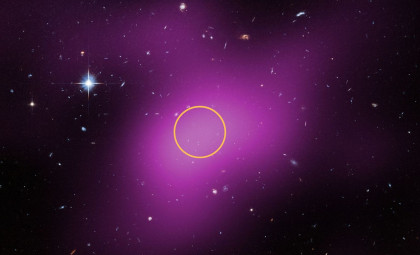
The gravitational pull evidenced by the metallic vapor’s orbit suggests an influential yet unseen central entity. Phys.org details a leading theory proposing the object could belong to a class of small, dark matter-rich structures, possibly representing failed galaxies that never developed stars.
Such failed galaxies would possess enough mass to gravitationally trap matter but lack the conditions to spark star formation. This notion aligns with observations of Cloud-9 lacking any luminous star or visible core while sustaining a dense metallic cloud.
Though definitive answers remain elusive, the data hints the object may be enveloped in a dense dark matter halo or influenced by an unconventional gravitational environment, leading to this extraordinary cloud formation.
- Categories:
- Space




0 comments
Sign in to Comment