
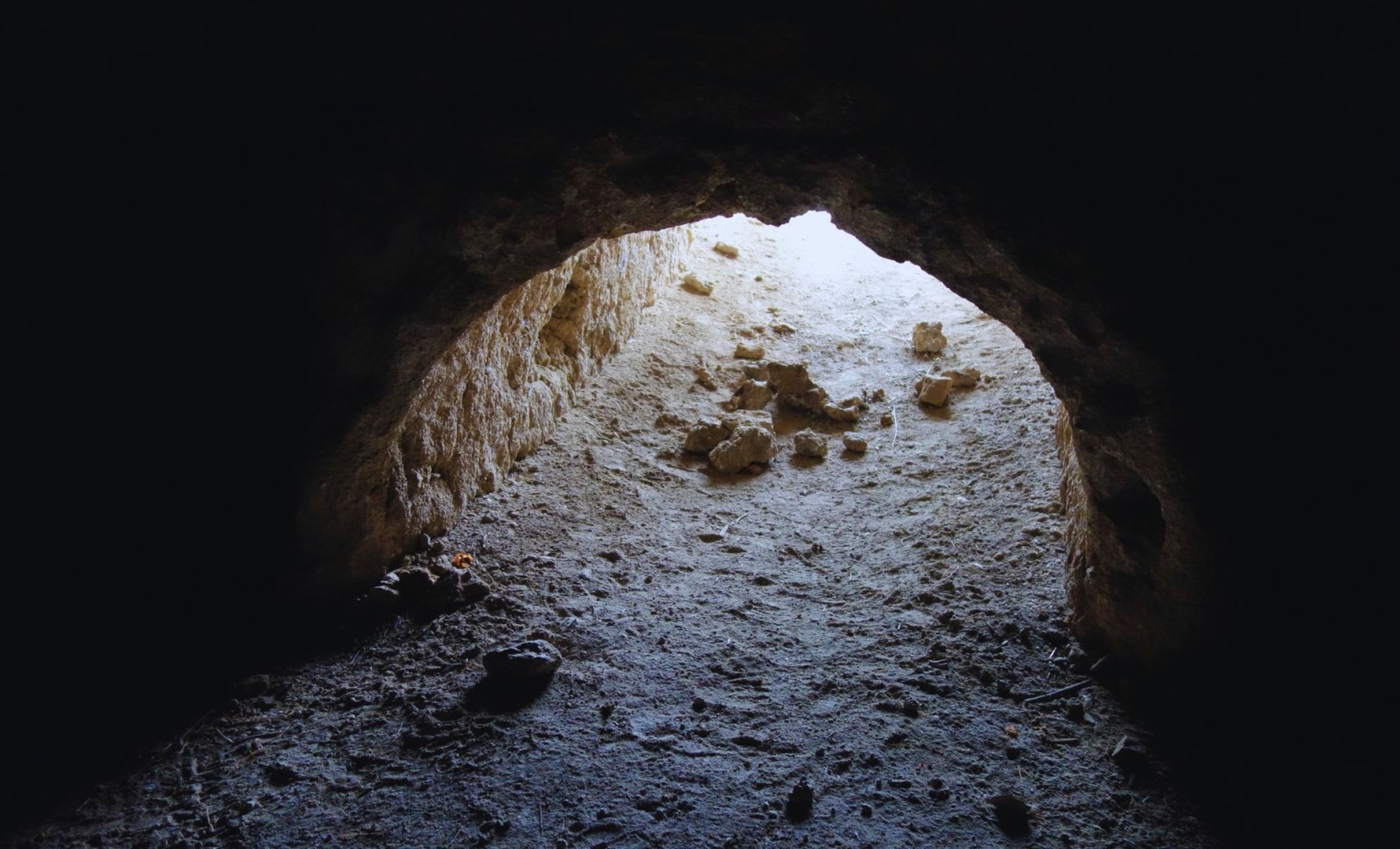
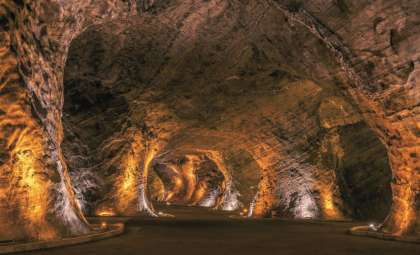
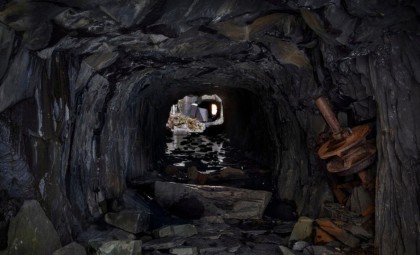
Deep beneath the terrains of southern Brazil and northern Argentina lies a remarkable find: massive tunnels etched into solid rock. These ancient corridors, some extending beyond 600 yards, did not originate from human hands or natural geological forces.
Far from typical natural formations like riverbeds or caves, these tunnels exhibit a deliberate structure. Their enormous dimensions and intricate layouts suggest that large prehistoric animals were responsible, with giant ground sloths being the prime suspects.
Giant Sloths Crafted a Complex Burrow Network
The latest study published in Science Advances highlights the remarkable scale of these tunnels. Some span lengths equivalent to two American football fields and are high enough for a person to walk through upright. Their discovery left scientists both curious and amazed due to their vastness.

These tunnels, formed within tough substrates like sandstone, eroded volcanic rock, and compacted sands, would have been nearly impossible for early humans or primitive tools to carve. Remarkably, these passages feature smooth walls marked by parallel claw impressions, indicating biological origin.
Heinrich Frank, a geologist at the Federal University of Rio Grande do Sul, along with his research team has documented over 1,500 such tunnels ranging throughout southern and southeastern Brazil. These subterranean pathways form dense, interconnected networks, implying they were intentionally created and maintained across generations.
“There’s no geological process in the world that produces long tunnels with a circular or elliptical cross-section, which branch and rise and fall, with claw marks on the walls,” Frank explained.
Distinctive Claw Marks Reveal the Tunnel Builders
The most compelling clue about the tunnels’ origin lies in the claw marks carved into their walls. These elongated parallel grooves correspond closely to the signature claws of the giant ground sloth, Megatherium. While some initially hypothesized other digging animals, the scale and form of the claw indentations align best with the giant sloth, known for its massive curved claws adapted for excavation.
Megatherium was an immense creature. Reaching heights of up to 12 feet and weighing nearly four tons, it rivaled modern elephants and likely used its powerful claws to uproot soils and rocks.
The tunnels’ dimensions—about six feet wide and equally tall—match these giants perfectly. Their robust forelimbs would have enabled them to alter the terrain extensively, digging these vast passages possibly for shelter or predator avoidance.
Did Humans and Giant Sloths Interact During the Ice Age?
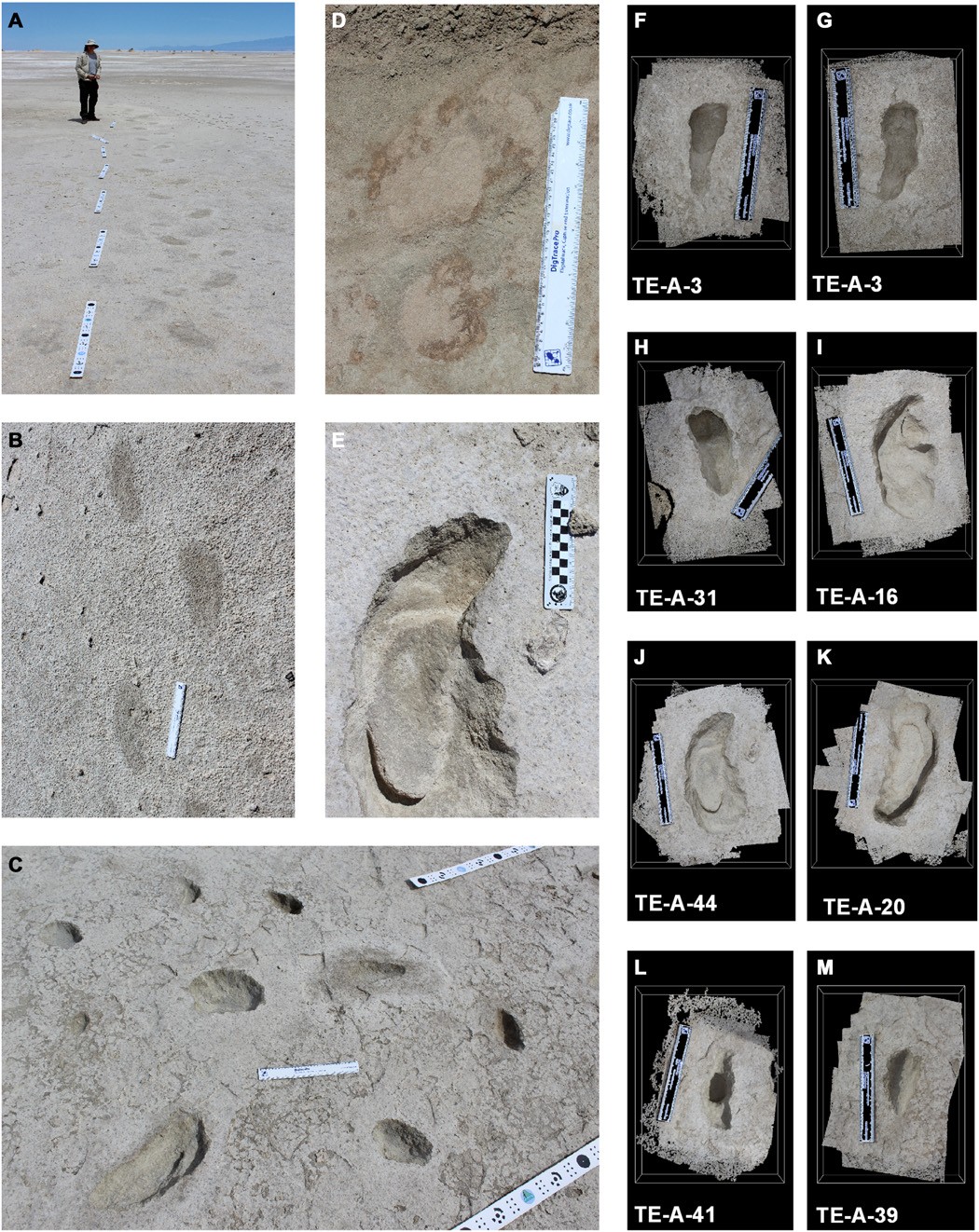
During the Ice Age, early humans coexisted alongside these enormous mammals, and evidence points to human predation on giant sloths.
“It is possible that the behavior was playful, but human interactions with sloths are probably better interpreted in the context of stalking and/or hunting,” the researchers wrote. “Sloths would have been formidable prey. Their strong arms and sharp claws gave them a lethal reach and clear advantage in close-quarter encounters.”
It’s conceivable that the giant sloths retreated into these extensive underground tunnels as a refuge from predators, including humans. Their burrows—large, intricate, and deep—would have provided a safe haven amid the harsh Ice Age environment.
- Categories:
- Science





0 comments
Sign in to Comment