

Europe's renowned glaciers, found in the Alps, Pyrenees, and Dolomites, have sculpted the region’s terrain and cultural heritage for thousands of years. Yet, accelerating climate change is driving these icy masses toward rapid disappearance. Experts caution that if no immediate measures are taken, these glaciers could vanish within a few decades, triggering widespread environmental and social repercussions.
Europe's glaciers facing unprecedented shrinkage
Glaciers throughout Europe are melting at rates never before recorded. Italy’s largest glacier in the Dolomites, Marmolada, exemplifies this alarming trend. Situated at an altitude of 3,343 meters, it is projected to melt away entirely by 2040. Daily, this glacier loses between 7 to 10 centimeters of its ice thickness.
The magnitude of glacial decline is sobering:

- Over the past five years, Marmolada's area has diminished by about 70 hectares—equivalent to 98 football fields
- Glaciers in Salzburg, Austria, are at risk of complete disappearance within ten years
- An Austrian glacier has lost nearly half of its ice mass—about 45 million cubic meters—in just 25 years
- Alpine glaciers as a whole have lost 10% of their volume in only two years
This dramatic melting also affects the Pyrenees along the French-Spanish border. Projections indicate Spanish glaciers may be entirely gone by 2050. University of the Basque Country geographer Ernaut Izagirre states, “It may already be too late this year for the Pyrenean glaciers.”
Widespread consequences of glacier disappearance
The vanishing of Europe’s icefields will impact far more than the mountains themselves. These glaciers are critical to regulating local water cycles and sustaining diverse habitats. Their loss is expected to trigger a cascade of environmental issues:
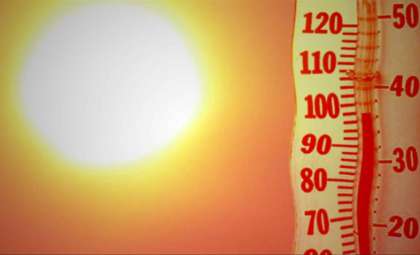
More intense heatwaves and droughts: Acting like natural air conditioners, glaciers help cool the atmosphere. Their retreat worsens urban heat islands and increases the frequency and severity of heatwaves, mirroring unseasonal warming seen in the Southern Hemisphere.
Global sea level increase: Ice melt contributes substantially to rising seas, threatening coastal and island communities worldwide.
Heightened flood hazards: Melting ice can form unstable glacial lakes, posing risks of sudden floods downstream.
Water shortages: Many rivers depend on glacial meltwater during dry periods. Losing this resource could disrupt agriculture, hydroelectric power, and urban water supplies for millions.
Biodiversity risks: Specialized alpine ecosystems adapted to cold conditions face uncertain futures as glacial habitats disappear.
Urgent strategies to slow and adapt to glacier loss
The imminent decline of European glaciers calls for swift global and regional responses. Though halting melting entirely may be out of reach, actions can slow recession and help communities adapt:
- Drastic emission cuts: Quickly reducing greenhouse gases remains the best long-term strategy to preserve glaciers.
- Physical glacier protection: Some nations are trialing protective coverings to shield smaller glaciers from summer heat.
- Water resource planning: Strengthening conservation and storage methods to compensate for lost glacial flows.
- Restoring ecosystems: Investing in mountain habitat restoration to aid species adjusting to ice-free environments.
- Disaster risk reduction: Improving flood warning systems and infrastructure to manage glacier lake outburst threats.
The challenge of safeguarding glaciers is inseparable from the larger fight against climate change. As the extreme heatwaves scorching the U.S. West reveal, the consequences of warming are becoming more immediate and visible worldwide.
A global imperative revealed by glacier loss
The retreat of Europe’s glaciers highlights the tangible dangers posed by climate change. Their disappearance signifies not only the loss of breathtaking landscapes but also signals significant environmental and social upheavals. The table below shows projected timelines for glacial extinction across vital regions in Europe:
LocationEstimated Year Glacier DisappearsSpanish Pyrenees2050Dolomites, Italy (Marmolada)2040Austrian Alps (Salzburg)~2034
These projections emphasize the immediacy of the crisis. Witnessing glaciers vanish within a single generation is unprecedented and underscores the rapid pace of global warming. Greenpeace campaign leader Raquel Monton stresses, “This impact is massive. Glaciers usually form over thousands of years, so their quick retreat is both alarming and extraordinary.”
The transformation reshaping Europe’s alpine environments sends a clear message: decisive and prompt action is essential to mitigate climate change’s worst outcomes and help societies prepare for an increasingly glacier-free future. The survival of Europe’s glaciers remains a powerful symbol and rallying point in the worldwide climate struggle.
- Categories:
- Climate change







0 comments
Sign in to Comment