

Understanding a virus’s vulnerabilities often demands years of dedicated investigation. Recently, however, researchers have made a notable breakthrough into the herpes simplex virus-1 (HSV-1), responsible for cold sores. Their findings reveal more than just a treatment target: HSV-1 fundamentally alters the three-dimensional organization of human DNA to promote its own replication.
Hijacking the Genome’s Architecture
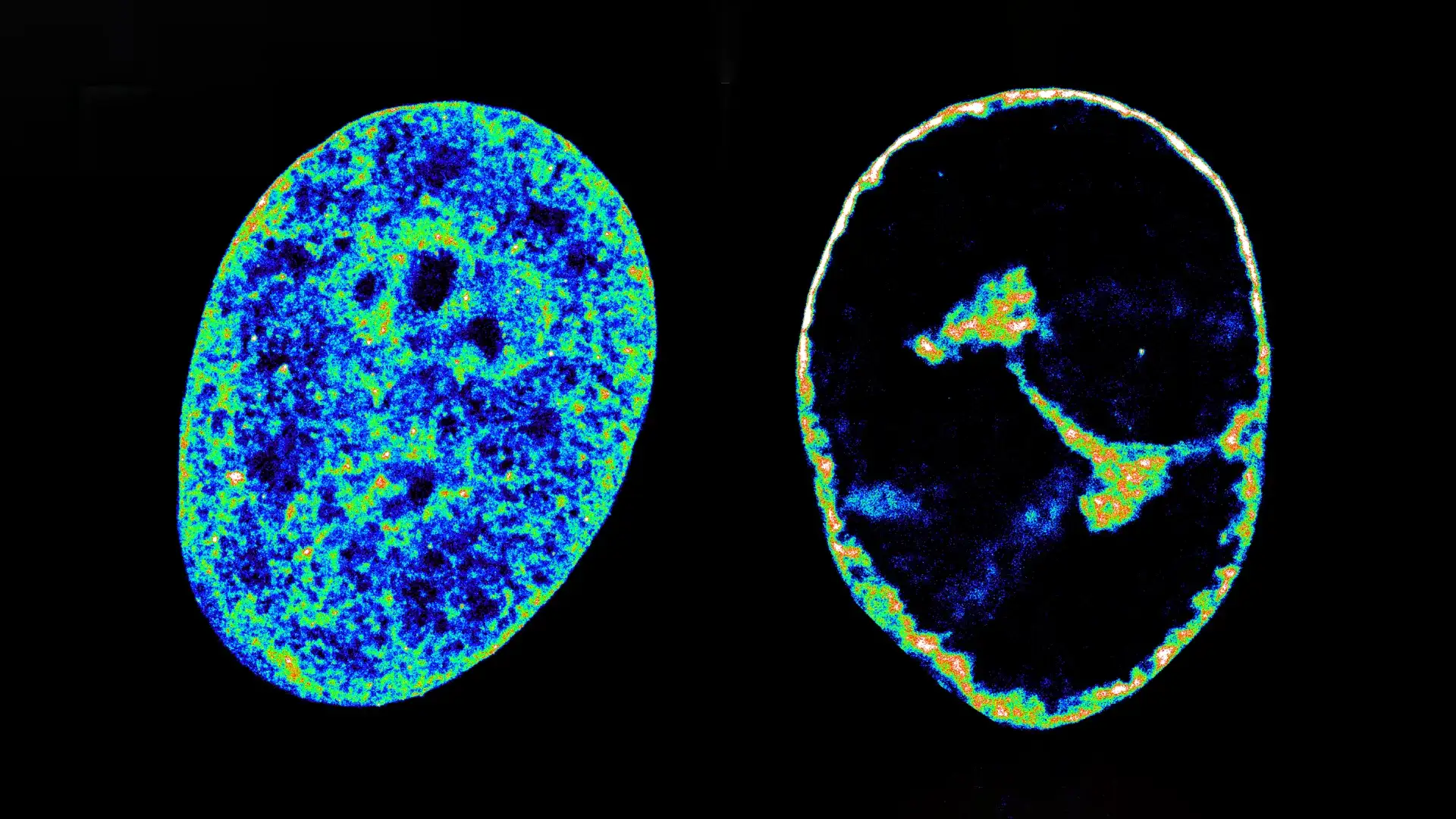
At the Center for Genomic Regulation (CRG) in Barcelona, a research group led by Dr. Esther González Almela unveiled that HSV-1 manipulates the spatial conformation of the human genome. This subtle control of the host’s genetic landscape enables the virus to access key genes vital for its reproduction.
“HSV-1 acts like a master interior decorator, carefully rearranging regions of the human genome it interacts with,” Dr. González Almela explained. This newfound mode of host manipulation reveals a previously hidden viral strategy behind its takeover of human cells.

Dissecting the Viral Replication Mechanism
The study sheds light on the virus’s interaction with host cellular processes. Within a few hours of infecting the cell, HSV-1 targets critical proteins, including the human RNA-polymerase II enzyme, essential for protein production. Subsequently, factors like topoisomerase I and cohesin localize to the viral replication areas.
These molecules collaborate to power the viral replication cycle while simultaneously condensing the host’s chromatin into a densely packed form. This contradicted previous assumptions linking gene activity directly with chromatin compaction.
Dr. Álvaro Castells García, co-first author of the published research, commented on the unexpected results: “Traditionally, compacted chromatin was thought to silence genes; however, we discovered that transcription halting comes first, leading subsequently to DNA condensation.” This insight revises how we understand viral control over genome architecture.
Exploiting the Virus’s Achilles’ Heel
Further probing the interaction revealed a critical vulnerability: inhibiting the host enzyme topoisomerase I completely blocked HSV-1’s ability to reorganize the genome during infection. This intervention arrested viral replication entirely.
ICREA Research Professor Pia Cosma, co-corresponding author on the study, highlighted that suppressing topoisomerase I in cultured cells "prevented the virus from producing any new particles," signaling a promising avenue to contain HSV-1 infections.
This breakthrough could inspire new antiviral therapies aimed at halting HSV-1 replication at an early stage, offering hope for the nearly four billion people worldwide who carry the virus.
Addressing a Widespread Health Concern
Beyond causing cold sores, HSV-1 poses broader health risks. Although many carriers experience mild or no symptoms, the virus can trigger severe outcomes such as blindness or life-threatening illnesses in vulnerable populations like newborns or immunocompromised individuals. The rise of drug-resistant HSV-1 strains further underscores the critical need for improved treatments.
While current medications help manage outbreaks, a definitive cure remains out of reach. These new findings hold promise for developing therapies that obstruct the virus’s genomic manipulation tactics, potentially transforming how HSV-1 is treated long-term.
Focused on deciphering the viral takeover of human DNA, this research marks an important milestone, bringing scientists closer to solutions that could significantly reduce the global impact of HSV-1.
- Categories:
- News













0 comments
Sign in to Comment