
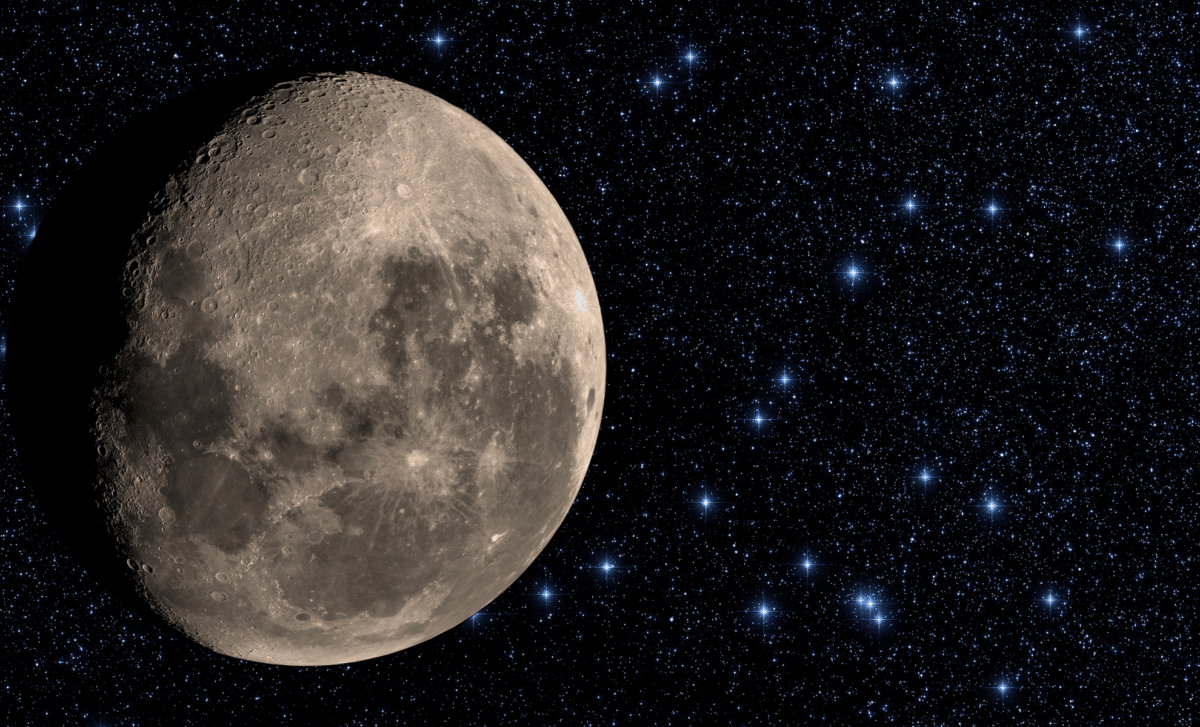
On March 27, 2026, sky enthusiasts will have an uncommon opportunity to observe the waxing moon glide near the Beehive Cluster (M44), a breathtaking gathering of stars in the night sky. As highlighted by Space.com, this celestial conjunction unites Earth’s luminous satellite with one of the Milky Way’s ancient star clusters, creating a visual feast for both amateur and professional astronomers.
The Moon’s Approach to the Beehive Cluster
As night settles on March 27th, the waxing gibbous moon will trace a path close to the Beehive Cluster, also known as M44, located in the southern heavens. Per Space.com, observers in the Northern Hemisphere will marvel as the 77% illuminated moon passes right beside M44’s brightest stars, allowing a unique combination of lunar and stellar brilliance to be viewed together.
Situated within the boundaries of the Cancer constellation, the Beehive Cluster contains about 1,000 stars bound by gravity. This cluster, formed approximately 600 to 700 million years ago, stands out as a relatively youthful collection in cosmic terms, appealing to those curious about star formation and evolution. While the cluster is naked-eye visible, binoculars reveal dozens of its shining stars, and a telescope with a 6-inch aperture can display many more.

Ideal Night for Moon and Star Gazing
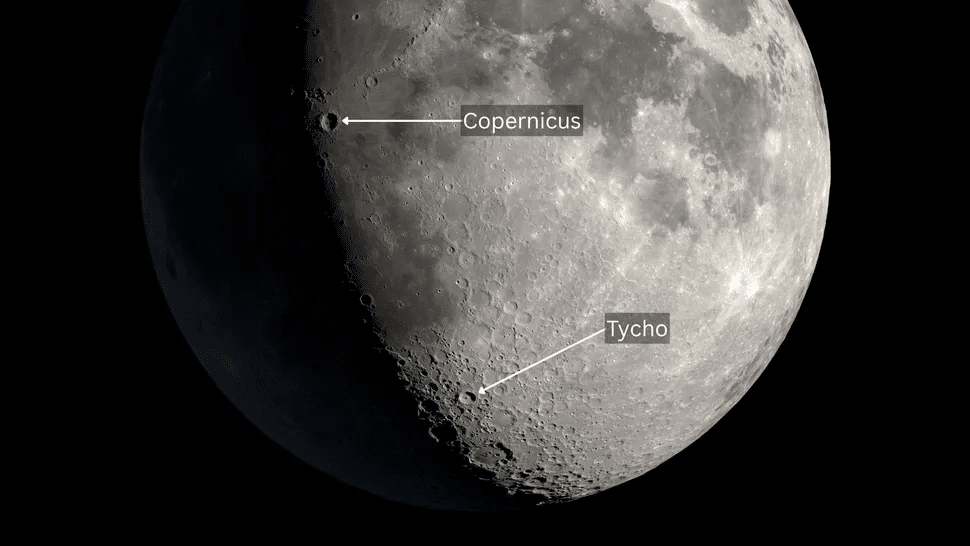
March 27 promises an extraordinary viewing session, not only of the Beehive Cluster but also of the detailed features on the lunar surface itself. During the waxing gibbous phase, the moon’s surface reveals rich textures particularly along the terminator, the boundary between lunar day and night. Telescopes will unveil the expansive, dark maria—ancient lava-filled plains that trace back to volcanic activity from long ago.
Two prominent lunar craters, Copernicus and Tycho, will stand out vividly. Copernicus, with its distinctive bright rays, will be near the terminator line, while Tycho’s sharp central peak and shaded eastern rim make it a remarkable sight. For skywatchers, witnessing these lunar landmarks alongside the luminous Beehive Cluster will be a memorable and inspiring event.
The Importance of the Beehive Cluster in Astronomy
The glowing stars of the Beehive Cluster have fascinated skywatchers for centuries, but their significance extends deeply into astrophysical research. As a relatively young star cluster, M44 provides valuable clues into the mechanisms that govern star formation and the progression of stellar groups in our galaxy.
Located roughly 577 light-years away, the Beehive Cluster is one of the nearest open clusters to Earth. Its closeness and composition make it an excellent subject for studies of stellar behavior and evolution. This rare event, where the waxing moon sweeps nearby, gives astronomers a fresh perspective on the interplay between lunar light and starlight, symbolizing a cosmic blend of time and distance that is both awe-inspiring and scientifically valuable.
- Categories:
- News










0 comments
Sign in to Comment