
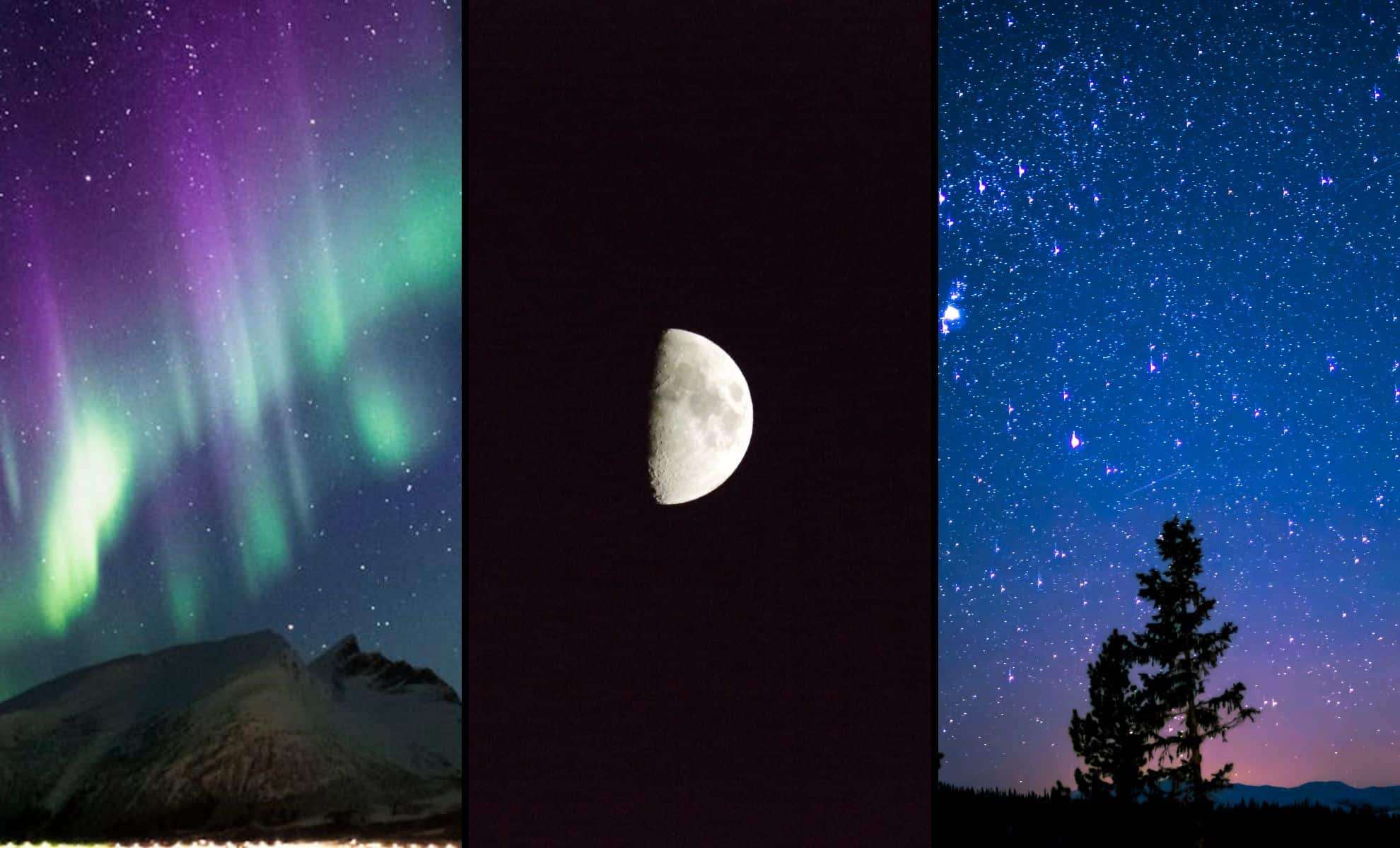
With the vernal equinox set for March 20, 2025, the night sky offers a captivating blend of astronomical phenomena, including the arrival of spring constellations and heightened chances for aurora borealis sightings. This seasonal change presents an ideal window for astronomy enthusiasts to observe stunning star patterns, track shifting celestial scenery, and possibly witness vivid northern lights. As noted in a Forbes article, the equinox period promises remarkable aurora events.
Understanding the Vernal Equinox’s Influence on Nighttime Skies
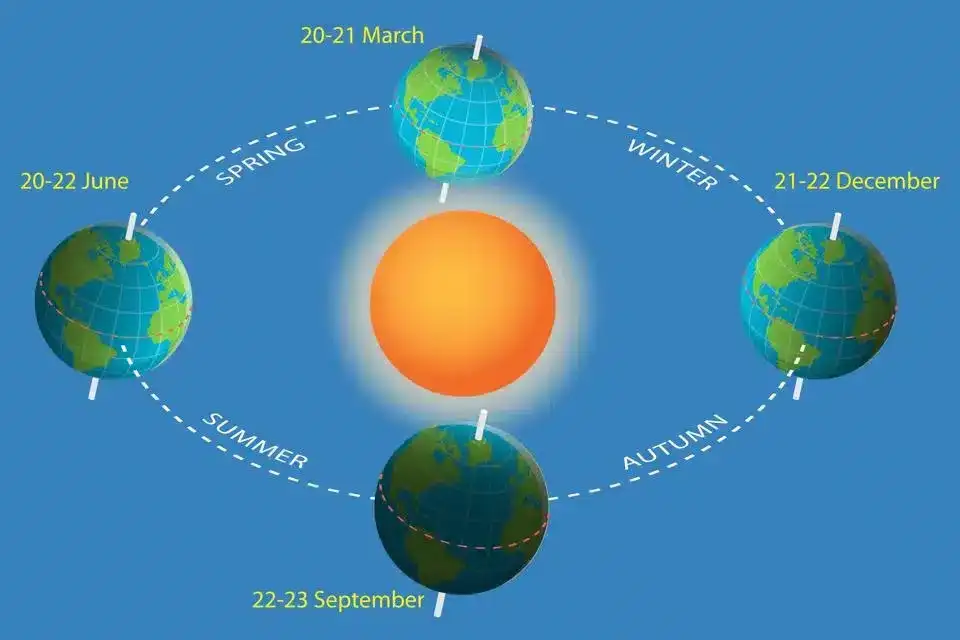
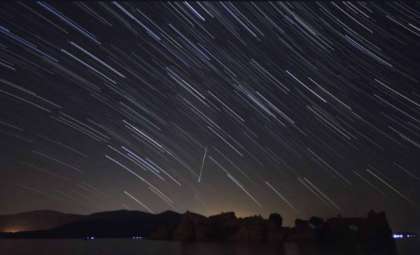
The vernal equinox occurs at exactly 09:00 UTC (4:00 a.m. EDT) on March 20, signaling the start of spring in the Northern Hemisphere. This moment marks when the Sun crosses the celestial equator, balancing daylight and darkness evenly worldwide. As the seasons turn, winter constellations gradually descend beyond the western horizon after sunset, making room for the springtime star groups.
Springtime skies feature a refreshing astronomical lineup, where fading winter patterns give way to prominent spring constellations. During this week, look out for Leo, Boötes, and Virgo, which emerge strongly in the night sky while the well-known winter constellation Orion sets beyond view.

Equinox Effect: Enhancing the Northern Lights Phenomenon
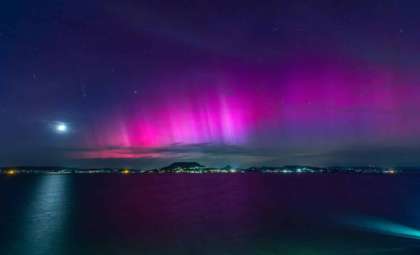
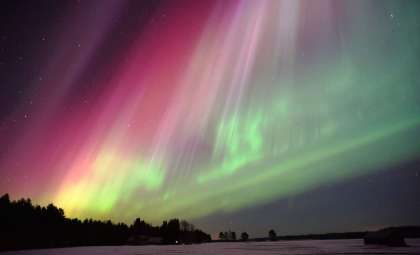
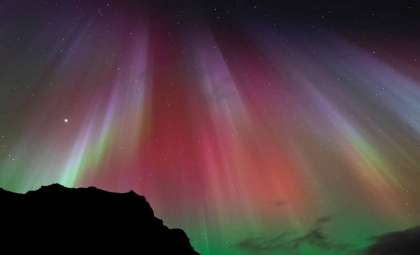
One of the standout events this week is the potential amplification of the aurora borealis. Near the equinox, Earth's orientation causes its magnetic field and the solar wind to momentarily align, intensifying aurora occurrences—a process known as the Russell-McPherron Effect. This alignment often triggers brighter and more expansive auroral displays.
During this period, solar particles are more readily channeled through Earth’s magnetic field, leading to more vivid and widespread auroras. Locations near the poles or areas with previous aurora sightings might experience dazzling light patterns. The equinox effect notably boosts opportunities for observers to enjoy northern lights at their peak brilliance.
Last Quarter Moon Fuels Ideal Stargazing Conditions
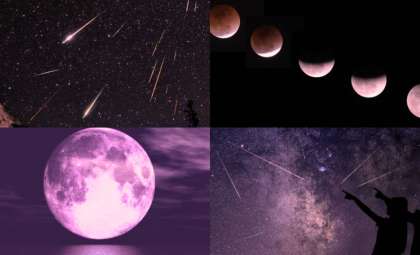
Observers can anticipate the Last Quarter Moon on March 22, when the moon will be about 50% illuminated. This phase offers darker night skies conducive to detailed star watching and astrophotography since the moonlight is less disruptive to observing faint celestial bodies.
As the Last Quarter Moon passes through Sagittarius, the subsequent nights will be largely free of lunar interference, granting astronomers favorable conditions to admire the vibrant spring constellations and deeper cosmic features.
- Categories:
- News



0 comments
Sign in to Comment