
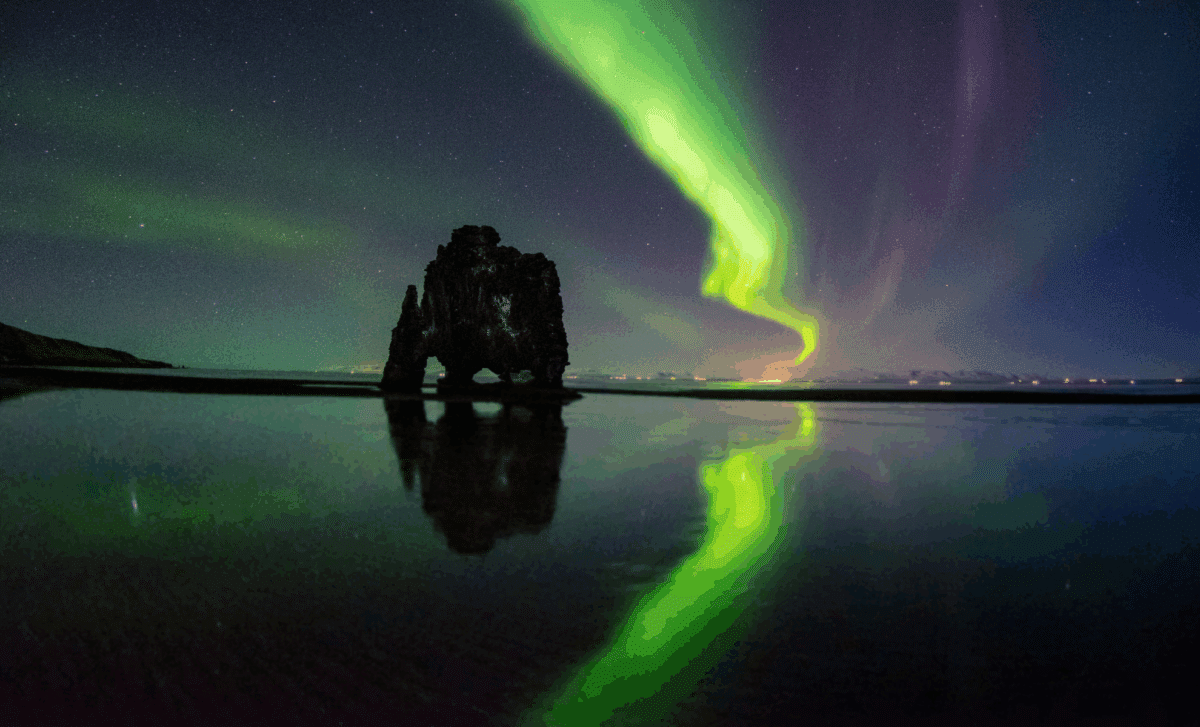
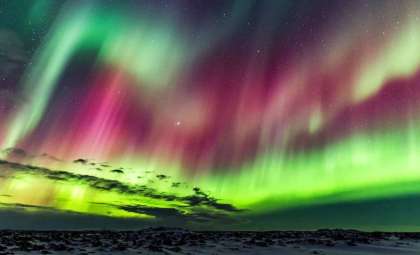
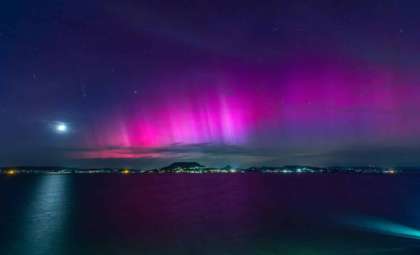
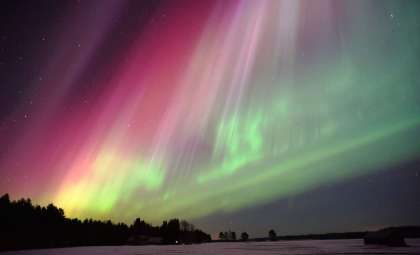
Sky watchers anticipating the Northern Lights have a thrilling week ahead as multiple coronal mass ejections (CMEs) surge from the Sun heading toward Earth. Forecasts from NOAA highlight that the peak solar activity will occur between October 15 and 17, offering ideal conditions for spotting vibrant auroras.
Understanding Coronal Mass Ejections
Coronal mass ejections (CMEs) are powerful eruptions of solar plasma and magnetic fields ejected from the Sun’s outer atmosphere, the corona. These massive bursts propel billions of tons of energetic particles through space at incredible speeds, often reaching Earth within a few days. When this charged solar matter interacts with our planet’s magnetosphere, it triggers geomagnetic storms that manifest as dazzling auroras predominantly seen near polar regions.
This episode involves a series of CMEs originating from sunspot group AR4246, a formidable and magnetically active area on the Sun. According to the National Oceanic and Atmospheric Administration’s (NOAA) Space Weather Prediction Center, these consecutive solar bursts are expected to arrive between October 15 and 17. The overlapping impacts are likely to intensify geomagnetic disturbances, boosting the chances for spectacular displays of the Northern Lights.

When and Where to Catch the Light Show
The schedule of these solar storms provides clues on the best viewing windows for the auroras. NOAA’s latest forecast along with insights from space weather expert Tamitha Skov suggest that the initial CME will reach Earth by October 14, followed by three more by midday October 15. The strongest geomagnetic activity is anticipated late on October 16, with auroras lingering into October 17 though gradually diminishing. The predicted storms are expected to reach the G1-G2 levels on NOAA’s geomagnetic scale, indicating moderate geomagnetic storms. This means northern areas such as parts of Canada and U.S. border states have a good shot at witnessing the auroral spectacle.
What adds excitement is that residents in northern U.S. regions and southern Canada will have increased opportunities to see the lights. At G2 storm strength, power grid fluctuations and minor satellite communication glitches may occur, but the auroras will be more prominent, assuming clear skies and favorable solar wind orientation.
Why This Series of Solar Storms Is Special for Aurora Seekers
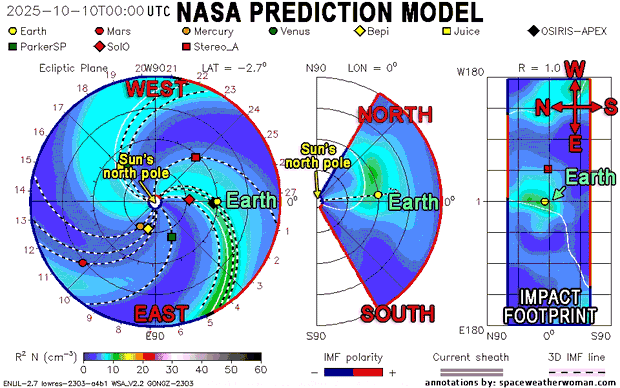
The uniqueness of this event lies in the rapid-fire arrival of multiple CMEs, which amplifies their overall effect on Earth’s magnetic environment. This sequence means increased chances of vivid auroral activity over several days, a rare occasion for enthusiasts. According to Skov, the initial CME may produce a mild disturbance, but the subsequent three are "pancaked together," potentially intensifying the geomagnetic storm intensity as they hit Earth consecutively.
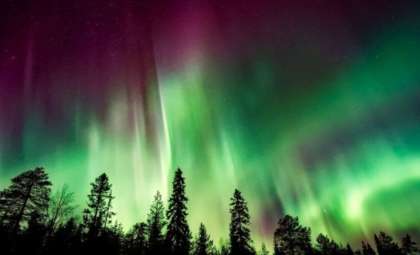
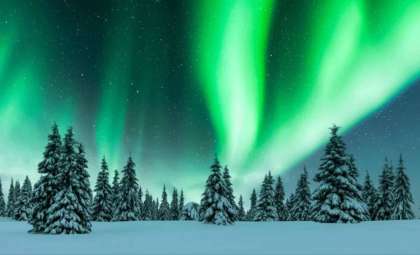
Auroras form when energetic particles from the Sun interact with Earth’s magnetic shield and excite atmospheric gases like oxygen and nitrogen. As these gases return to their normal energy state, they emit light in brilliant colors. The combined force of multiple CMEs and strong solar winds this week suggests that the resulting auroras could be especially vibrant and widespread.
Impact of Geomagnetic Storms on Earth Systems
The upcoming geomagnetic storms originate from the collision of CMEs with Earth’s magnetic field. This interaction can cause visible auroral displays but also disrupt technological systems. Moderate storms may lead to fluctuations in electrical grids and impact satellite operations, as solar radiation can interfere with sensitive onboard electronics.
While such effects can be inconvenient, the main attraction remains the awe-inspiring light shows. Observers in northern latitudes stand to enjoy some of the most impressive auroras seen in recent times.
The Science of Solar Activity and Space Weather
Beyond the beauty of auroras, the science behind solar storms unveils the dynamic nature of our Sun. CMEs and solar flares closely follow the Sun’s 11-year activity cycle. Currently, during its active phase, the Sun emits more frequent and intense eruptions. The AR4246 sunspot is a key player in this cycle, contributing to heightened solar activity expected to peak in coming years. These solar phenomena greatly influence space weather, affecting satellites, communication systems, and power infrastructure.
In addition to auroras, solar flares—like the M-class flare recorded on October 13—can impact Earth’s ionosphere, causing disruptions in shortwave radio, particularly at higher latitudes. This surge in solar activity provides a live example of how intertwined Earth is with solar processes.
- Categories:
- News



0 comments
Sign in to Comment