
Legends of giants have been a persistent theme throughout human history, appearing in myths and folklore from numerous cultures worldwide. From the formidable Nephilim mentioned in biblical accounts to the mighty Titans of Greek tales, many ancient societies recount stories of enormous beings.
But is there any factual basis to these enduring legends? Did gargantuan creatures truly inhabit our planet, or are these narratives simply exaggerated traditions passed down over time? A recent examination published by Ancient Origins delves into the quest to uncover the reality behind these ancient tales.
The Origins of Giant Myths
Storytelling about giants is deeply embedded in the mythology of many civilizations. These creatures are typically portrayed as immense and powerful, capable of extraordinary acts such as building colossal structures. The Nephilim, referenced in the Book of Genesis within the Hebrew Bible, remain one of the most recognized giant figures in sacred scripture.

The scripture states, “There were giants (Nephilim) in the earth in those days; and also after that, when the sons of God came unto the daughters of men, and they bore children to them, the same became mighty men which were of old, men of renown.” Alongside writings such as the Book of Enoch, these texts suggest the giants were hybrid beings of divine and human origin, whose tremendous power caused havoc, ultimately triggering the biblical flood.
Giant Legends Across Cultures
The concept of giants is not limited to biblical references but appears in the lore of many ancient societies, implying a widespread cultural phenomenon. In Mesopotamian traditions, the Epic of Gilgamesh tells of a hero sometimes interpreted as a giant, hinting at the memory of a remarkable race. Indian epics like the Mahabharata also mention colossal beings who took part in cosmic battles, underlining their formidable strength and significance.
Greek myths famously feature the Titans, enormous primordial beings who once controlled the Earth before the Olympian gods defeated them in the Titanomachy. Norse stories speak of the Jötnar, giants dwelling in Jotunheim and frequently clashing with gods from Asgard. In Celtic legends, the Fomorians were giant adversaries of Ireland’s original settlers.
Additionally, Native American groups like the Paiute recount the tale of the Si-Te-Cah, a tribe of red-haired giants who supposedly inhabited regions of Nevada before being overcome by early inhabitants.
Archaeological Reports and Debates
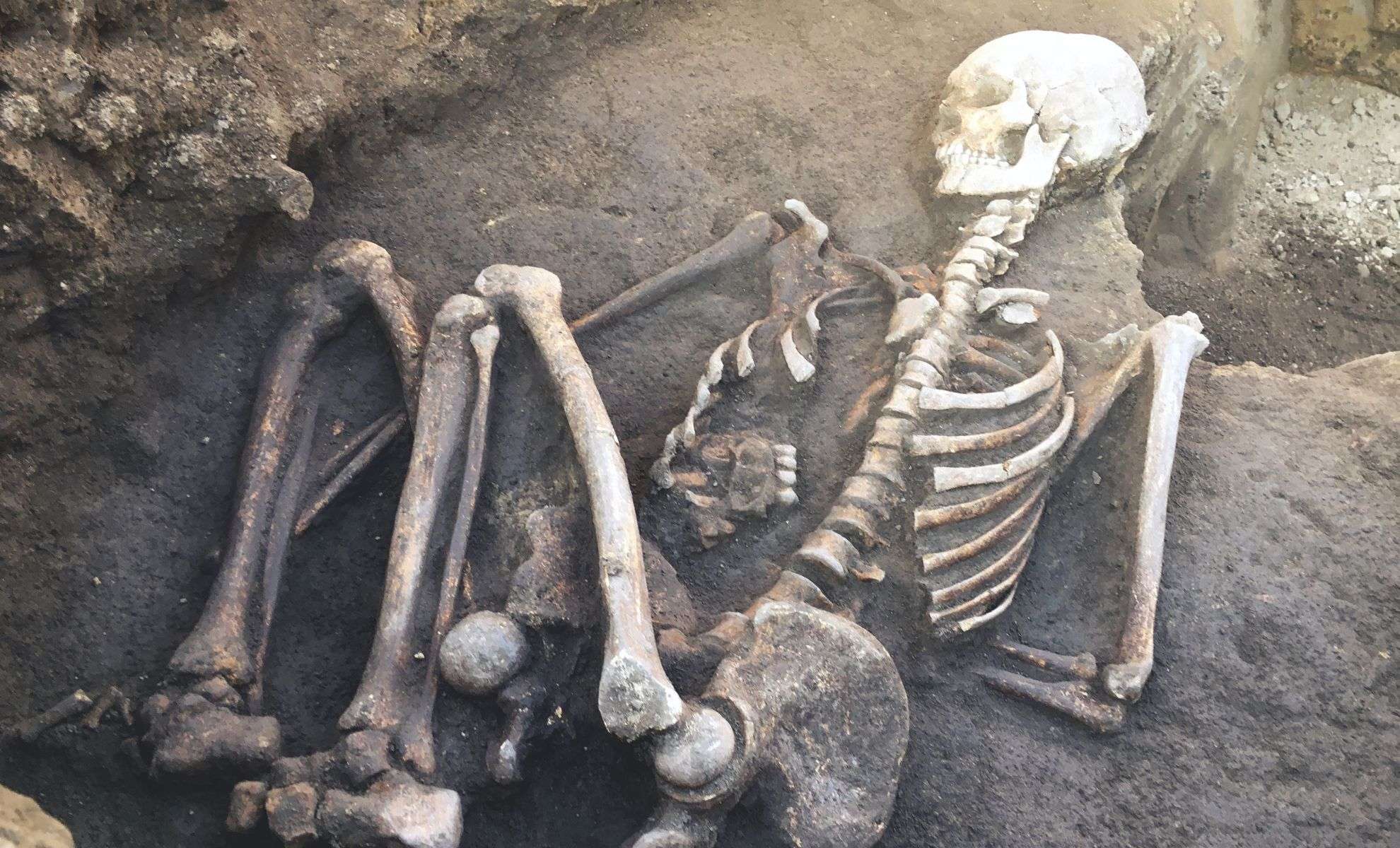
Reports of unearthed giant skeletons have periodically emerged, especially within the United States, dating back to the 19th and 20th centuries. These finds describe bones ranging from 7 to 12 feet tall with unusually thick and robust features, challenging modern understandings of human anatomy.
Major newspapers, including the New York Times, once reported on these discoveries, complete with photographs and detailed accounts. Yet, many such reports have been dismissed or quietly forgotten, with some remains allegedly disappearing from institutions like the Smithsonian.
These unexplained vanishings have sparked conspiracy theories suggesting institutional cover-ups to maintain orthodox scientific views. Despite official denials, the complete story behind these alleged giant fossils remains shrouded in uncertainty.
The Enduring Question of Giants
The existence of giants continues to captivate and divide opinion. Cross-cultural myths, ancient scriptures, and controversial archaeological evidence all suggest a widespread belief in extraordinary giant beings.
While concrete proof remains elusive, these stories persist as compelling mysteries, encouraging ongoing investigation into humanity’s distant and enigmatic past.
- Categories:
- Science












0 comments
Sign in to Comment