
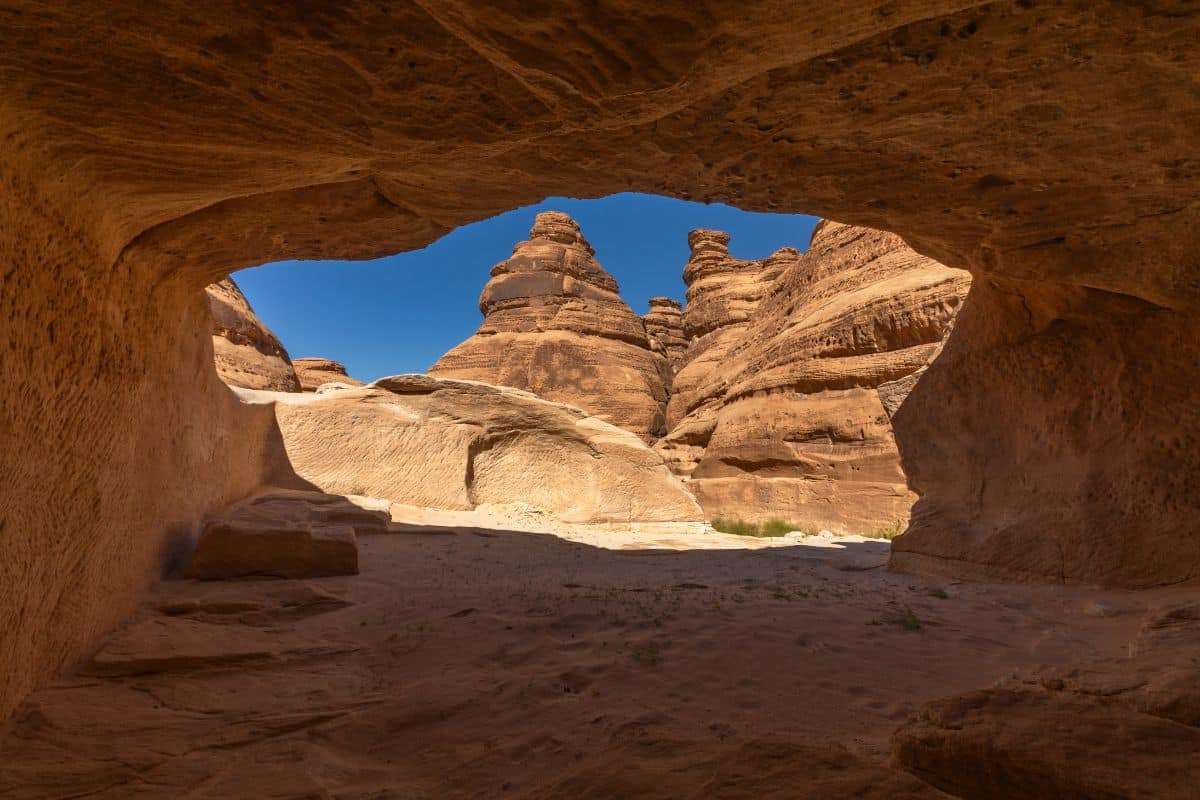
While today Arabia is mainly known for its expansive deserts, this wasn't always the landscape it displayed. Over the past 8 million years, the region underwent periodic phases of increased rainfall, transforming it into a verdant habitat that may have helped early human ancestors migrate beyond Africa.
A Vibrant, Greener Past
The Arabian Peninsula, now largely arid, has experienced multiple epochs when its environment was lush and supportive of diverse wildlife. Throughout the last 8 million years, wet intervals turned this area into an oasis teeming with rivers, lakes, and forests.
Such fertile conditions likely accommodated a broad range of fauna, including potentially migrating early hominin populations. As Michael Petraglia from Griffith University emphasizes, “These desert landscapes have alternated over time. If hippopotamuses moved from Africa, then why wouldn’t hominins?”
Studies now indicate that several humid phases occurred from the late Miocene through the Pleistocene epoch.

Unveiling the Past Climate Through Cave Minerals
To better understand the ancient climate of Arabia, researchers led by Petraglia analyzed stalagmites and stalactites extracted from caves in the Umm Er Radhuma geological formation in central Arabia. These mineral deposits build up slowly over thousands of years from dripping water.
The team combined uranium-thorium dating with uranium-lead dating techniques, the latter being a “game changer” according to Petraglia, enabling climate reconstructions reaching back 8 million years.
Published in Nature, the findings reveal four key wet intervals: between 7.44 and 6.25 million years ago; 4.10 to 3.16 million years ago; 2.29 to 2.01 million years ago; and 1.37 to 0.86 million years ago.
Environmental Conditions During Rainy Epochs
Even though fossil evidence is sparse, scientists believe these humid stretches supported ecosystems rich in rivers, lakes, and forests, distinctly different from today’s desert conditions.
“We are beginning to understand how hospitable this region might once have been,” explains Anya Crocker, a climate specialist at the University of Southampton, who points out the major role monsoonal rainfall played in shaping Arabia’s climate.
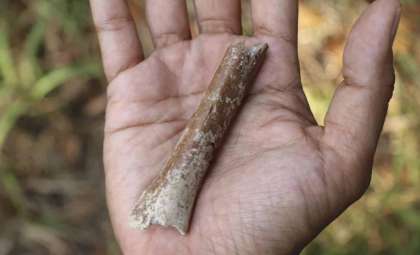
While fossils from these wet phases remain rare, it is plausible that these periods created pathways aiding early hominin migration. “I see no reasons preventing migration if the region received sufficient moisture,” Crocker adds.
Arabia as a Migration Hub
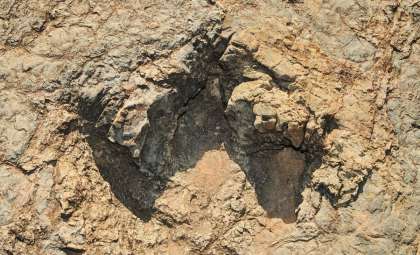
Arabia’s position as a land bridge connecting Africa to Eurasia has sparked longstanding debate. Fossil records indicate that various animals dispersed through this region during prehistoric times. Species such as crocodiles, hippopotamuses, and elephants appear in fossil sites across the peninsula.
The latest climatic data reinforces the idea that during wetter intervals, Arabia provided a vital corridor encouraging the movement of fauna and likely hominins across continents. “The timing of these moist windows suggests there’s no barrier for migration,” says Petraglia.
Link to the Sahara’s Moisture Cycles
These greener phases in Arabia might mirror similar wetter episodes in the Sahara Desert to the west. If these wet periods were continuous, they could have formed extended green corridors spanning North Africa to Arabia, enhancing the mobility of animals and early humans.
Such insights promise to reshape our understanding of species dispersal, including human ancestors. Crocker observes, “The cyclical dry and wet phases appear to align remarkably well across regions.”
- Categories:
- Science






0 comments
Sign in to Comment