
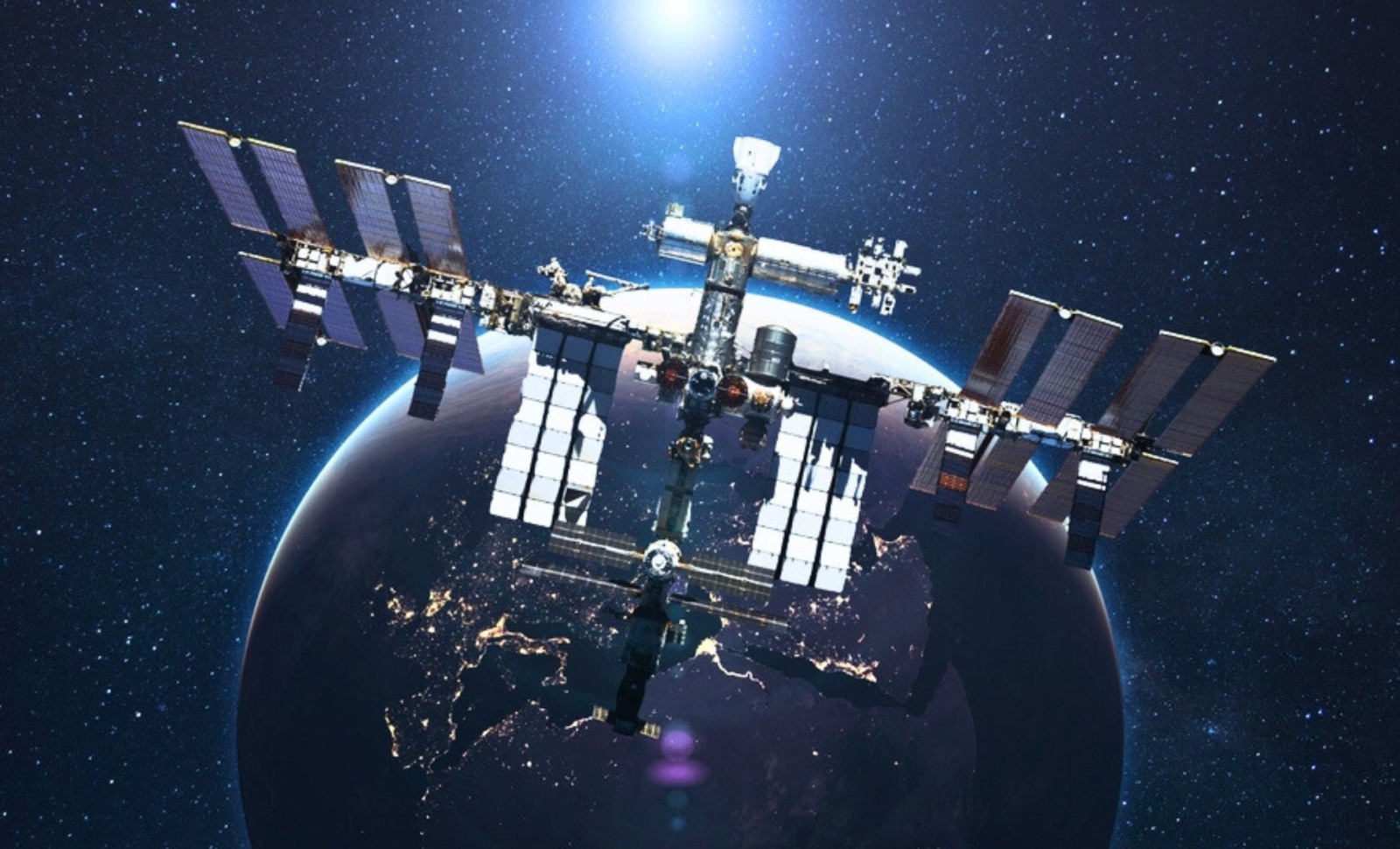
Back in 2019, a sensational claim captured worldwide attention: a U.S. astronaut was accused of committing the first-ever crime in space. Summer Heather Worden, who once served as an Air Force intelligence officer, alleged that her estranged spouse, NASA astronaut Anne McClain, unlawfully accessed her bank account from the International Space Station.
The narrative combined intrigue with elements of space exploration, personal betrayal, cybersecurity, and uncharted legal territory. However, this story took a dramatic reversal recently. Worden admitted in federal court that she had knowingly provided false testimony about key details of her claim. The supposed “space crime” that generated extensive media coverage never actually occurred.
This issue exceeded a mere domestic dispute. It triggered an investigation by NASA’s Office of Inspector General and scrutiny from the Federal Trade Commission, putting McClain’s career under intense evaluation and spotlighting the legal challenges related to conduct outside Earth’s environment.

Deconstructing a Groundbreaking Space Accusation
When the accusation erupted, McClain was orbiting Earth approximately 250 miles above for a half-year NASA assignment aboard the International Space Station. On Earth, Worden asserted that McClain had hacked into her bank account mid-mission by guessing her password without authorization.
As reported by the New York Times, the allegation sparked widespread intrigue. If valid, it would have marked the first criminal act recorded beyond Earth’s surface. It also forced authorities and NASA to confront uncharted legal dilemmas: the procedure for investigating and prosecuting offenses happening in space.

Investigations eventually uncovered a far more down-to-earth truth. According to federal authorities, Worden had granted McClain authorized access to the accounts long before the mission. The couple had shared financial management responsibilities during their relationship, negating any claim of unauthorized entry.
Legal documents showed Worden misrepresented the timing of her account setup and password changes. Last week, she entered a guilty plea for providing false information to federal investigators. She faces potential imprisonment for up to five years and fines reaching $250,000, with sentencing set for February 12, 2026.
Clearing McClain’s Name and Career Prospects
From the start, McClain defended herself firmly, affirming she had lawful permissions to manage the account in question while away on her orbital tour. After Worden’s confession, McClain issued a statement reflecting on the ordeal’s impact:
“Ms. Worden intentionally, and with full knowledge of the truth, presented a story to federal investigators and to the media with the intention of harm,” McClain said in a public statement. “From the outset, there was no evidence supporting her claims, and overwhelming evidence disproving them.”
Despite the prolonged scrutiny, McClain’s career progressed. By March 2025, she rejoined orbit as commander for NASA’s SpaceX Crew-10 mission, successfully completing her second tenure aboard the ISS before safely returning months later in August.
With a background as a combat pilot boasting over 2,000 flight hours, McClain remains one of NASA’s most experienced astronauts and a strong contender for upcoming Artemis lunar missions. Though personally challenging, the case did not sideline her professional growth but served as a stark reminder of the fragility of public perception.
Legal Ambiguities in Outer Space Activities
While this particular allegation proved unfounded, it illuminated a significant gap in the governance of criminal acts beyond Earth.
The incident underscored the complexity surrounding jurisdiction in space. The Outer Space Treaty of 1967 sets broad guidelines for peaceful space conduct, but enforcement of crimes committed in orbit mostly depends on agreements between ISS partner nations. In cases of serious offenses like theft or violence, issues around authority, extradition, and prosecution remain unresolved.
NASA has yet to implement new rules addressing access to sensitive digital systems in space. However, as ambitions for prolonged missions to the Moon and Mars grow, the demand for clear legal frameworks beyond terrestrial borders intensifies.
“The space crime allegation was a legal mirage,” said Prof. Michelle Hanlon, a space law expert at the University of Mississippi, in previous commentary. “But it was a wake-up call. We’re going to need serious legal infrastructure for a future where crews live and work far from Earth’s legal reach.”
Though the McClain-Worden dispute has been settled, the legal complexities exposed persist. With the rise of commercial space travel and multinational crews venturing farther into the cosmos, lawmakers and policymakers must prepare for scenarios that once seemed purely speculative.
- Categories:
- News








0 comments
Sign in to Comment