
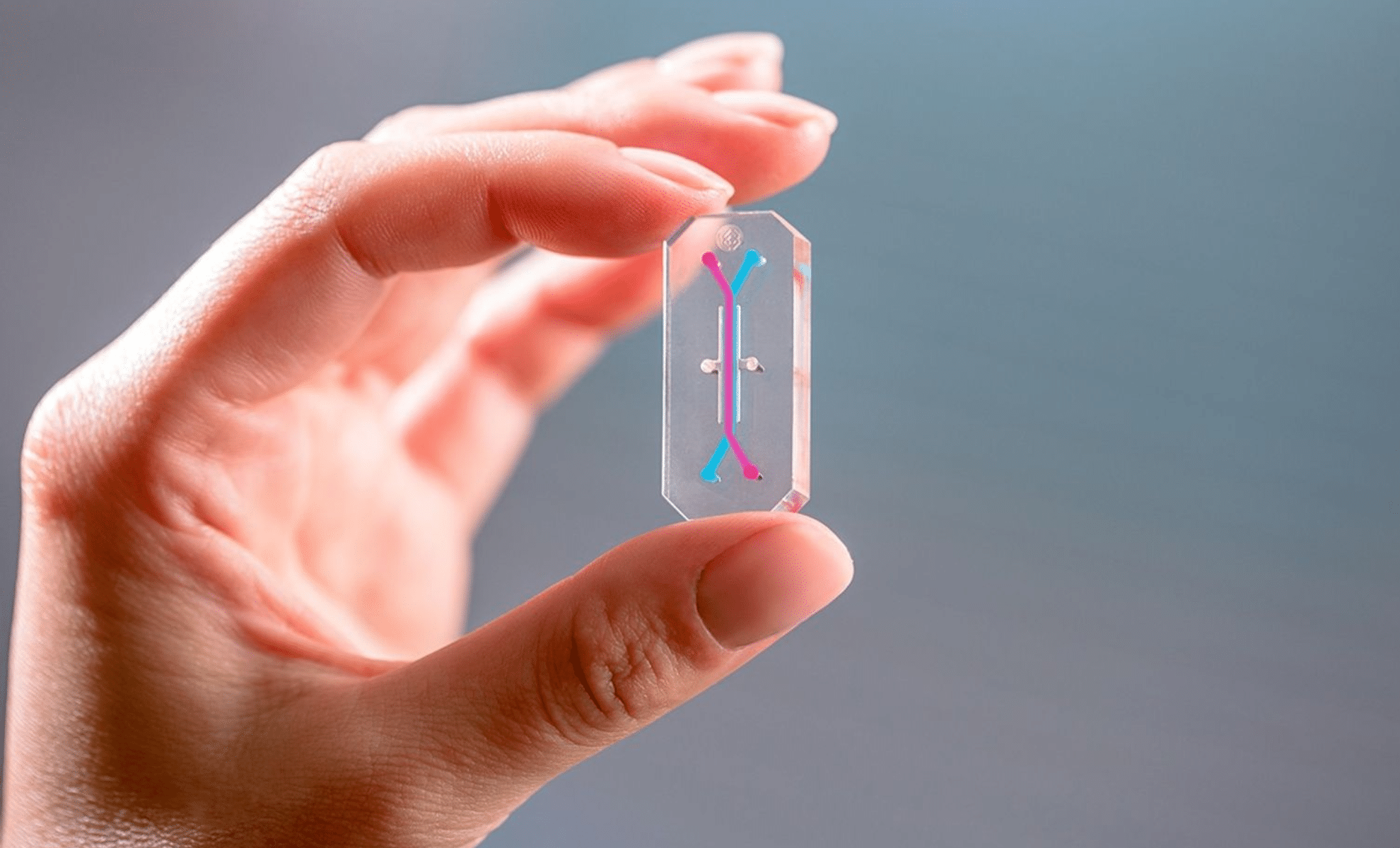
As space agencies prepare for ambitious journeys beyond the Moon, including NASA’s Artemis II mission, a pioneering experiment called AVATAR (A Virtual Astronaut Tissue Analog Response) is set to redefine how we study astronaut health in extraterrestrial environments. Utilizing cutting-edge organ-on-a-chip methodology, this project aims to usher in a new frontier of customized medical care that supports space travelers and enhances medical understanding on Earth.
AVATAR: Pioneering Integrative Health Research for Deep Space Missions
AVATAR by NASA represents more than an experiment—it’s a glimpse into the future of human spaceflight and medical innovation. The initiative employs organ-on-a-chip systems to investigate the effects of prolonged exposure to space radiation and microgravity on human tissues. This mission-critical experiment will be conducted during the Artemis II flight, a significant milestone in NASA’s roadmap to lunar return and exploration of Mars. The chips simulate key human organs, including the heart, brain, and lungs, by cultivating living cells that replicate organ-specific functions.
"AVATAR is a groundbreaking tissue chip project that will transform our approach to science, medicine, and human space exploration,” stated Nicky Fox, Associate Administrator for NASA’s Science Mission Directorate. Compact and roughly the size of a USB drive, these chips will accompany Artemis II astronauts during their 10-day lunar orbit mission, gathering crucial data on how deep space conditions influence human biology over time.

Organ Chips: Small Devices, Vast Scientific Promise
Organ-on-a-chip technology, also known as microphysiological systems, has emerged as a powerful tool for mimicking real organ functions in a controlled environment. These chips cultivate human cells in structures that mimic organs such as the heart and pancreas, enabling scientists to study human biological responses to environmental challenges like radiation or medication.
Each tissue chip in the AVATAR project is uniquely tailored using cells donated by the Artemis II crew, allowing NASA to gather personalized insights into how each astronaut's biology responds to deep space phenomena. As Fox elaborated, "These tissue chips serve as individualized models that allow us to anticipate the impacts of deep space exposure on each astronaut, helping us prepare the precise medical treatments needed for their journey back to the Moon and eventually Mars."
The significance of organ chips extends well beyond spaceflight. On Earth, they have profound potential to assess patient-specific reactions to drugs and radiation treatments, promising to accelerate personalized medicine, especially in tackling complex diseases like cancer.
Safeguarding Astronaut Health Through Bone Marrow Analysis
Bone marrow, a vital organ responsible for producing blood and immune cells, is especially vulnerable to radiation damage, making it a key focus of NASA’s research efforts. With Artemis II venturing beyond Earth's magnetic shield, understanding how space radiation impacts bone marrow is critical.
Astronauts participating in this study will contribute platelet samples, which will be used to develop bone marrow organ chips. These models will help NASA analyze the combined effects of microgravity and space radiation on bone marrow cells. Lisa Carnell, Director of NASA’s Biological and Physical Sciences Division, emphasized the importance of this research: "Organ chips could provide essential data to protect astronaut health during long-duration deep space missions." By clarifying space radiation’s impact on bone marrow, NASA aims to identify health risks and ensure astronauts are equipped with tailored medical supplies for future expeditions.
Advancing Personalized Healthcare for Space Travelers and Earthbound Patients
NASA’s AVATAR initiative has wide-reaching implications beyond space exploration. The knowledge gained will not only guide medical strategies for upcoming missions but also has the potential to transform healthcare on Earth. Personalized tissue chips offer a revolutionary way to predict each astronaut’s unique healthcare requirements, enabling precise medical preparedness for deep space travel.
As Carnell pointed out, "Given the limited access to onboard medical facilities during extended missions, understanding the distinct health needs of each crew member is vital to providing the right medical provisions as humanity explores farther." This individualized medical approach could serve as a blueprint for enhanced healthcare solutions on Earth, particularly for patients with rare or complex medical challenges.
- Categories:
- News










0 comments
Sign in to Comment